WELCOME

Tag overprotection

What Is Overparenting?

Overparenting is a pattern of parenting in which a caregiver provides developmentally inappropriate levels of control, monitoring, problem-solving, and “help” that limits a child’s chances to build autonomy and coping skills. Researchers often describe it as excessive directiveness and involvement that goes beyond what the child needs at their age or stage. (guilfordjournals.com)

You’ll also hear overparenting discussed as “helicopter parenting” (hovering and intervening quickly) and sometimes “lawnmower/snowplow parenting” (removing obstacles before the child encounters them). In research, these terms commonly point to the same general issue: too much parental management, too little child agency. (PMC)


What Overparenting Looks Like in Real Life

Overparenting isn’t the same as being warm, involved, or protective. It’s more about how involvement is delivered—especially when it replaces a child’s learning opportunities.

Common signs include:

  • Solving problems the child could reasonably solve (calling teachers/coaches/bosses to fix issues, negotiating consequences, managing conflicts for them) (apa.org)
  • Over-monitoring and micromanaging daily routines, schoolwork, friendships, or activities beyond what’s age-appropriate (Wiley Online Library)
  • Overprotecting from normal risk and discomfort (not allowing failure, discomfort, or independent decision-making) (PMC)
  • Excessive tangible help (doing tasks for the child—executive functioning “scaffolding” that never fades) (guilfordjournals.com)

Why Overparenting Happens

Overparenting is usually driven by good intentions and real pressure, not selfishness. Common contributors include:

  • Parent anxiety and fear (about safety, achievement, social standing, or future stability) (guilfordjournals.com)
  • Cultural and economic pressures that frame childhood as high-stakes and competitive (sometimes called “intensive parenting”) (OUP Academic)
  • A mismatch between a child’s needs and the parent’s support level (support doesn’t gradually step back as skills grow) (guilfordjournals.com)

What the Research Says About Potential Impacts

Research findings are nuanced (and many studies are correlational), but the overall pattern is consistent: higher overparenting/helicopter parenting is often associated with weaker adjustment and well-being, especially in adolescence and emerging adulthood.

Mental health and distress

A systematic review of helicopter parenting studies found that most included studies reported relationships with higher anxiety and/or depression symptoms (noting that many studies are cross-sectional and can’t prove direction of cause). (PMC)

Autonomy, self-efficacy, and adjustment

The APA summarized research suggesting that overcontrolling parenting can interfere with children’s ability to adjust in school and social settings and may be linked with poorer functioning when kids must manage independently. (apa.org)

Family communication and satisfaction

Research has also linked overparenting with lower-quality parent–child communication and indirect effects on family satisfaction. (Wiley Online Library)

Emerging adulthood outcomes

Classic work in this area has reported associations between helicopter parenting and poorer psychological well-being in college-aged samples. (Taylor & Francis Online)

Important nuance: Some parental involvement is healthy and protective. The risk tends to increase when support becomes controlling, intrusive, or prevents normal independence-building. (PMC)


Overparenting vs. Healthy Support: A Simple Rule

A practical way to distinguish healthy involvement from overparenting:

  • Healthy support: “I’ll help you think this through, then you try.”
  • Overparenting: “I’ll handle this so you don’t struggle.”

The goal isn’t to step back emotionally—it’s to step back operationally as the child’s capacity grows. (guilfordjournals.com)


How to Reduce Overparenting Without Becoming Hands-Off

Evidence-informed strategies that align with what researchers emphasize about autonomy and development:

  1. Shift from rescuing to coaching
    Ask: “What’s your plan?” “What are two options?” “What’s the next small step?”
  2. Use “fade-out” support
    Provide structure early, then gradually remove it as competence increases.
  3. Normalize safe failure
    Let children experience manageable consequences and discomfort—this is how coping grows. (OUP Academic)
  4. Check your anxiety channel
    If your urge to intervene spikes, pause and ask: “Is this about my fear or their need?” (Parent anxiety is commonly discussed as a driver.) (guilfordjournals.com)
  5. Keep warmth high, control appropriate
    Connection protects; overcontrol can backfire. Aim for support + autonomy, not one or the other. (PMC)

This article was written by John S. Collier, MSW, LCSW-S.  Mr. Collier has over 25 years of experience in the Social Work field.  He currently service as the Executive Director and Outpatient Therapist at Southeast Kentucky Behavioral Health in London Kentucky.  He may be reached by phone at (606) 657-0532 or by email at john@sekybh.com.

References

  • American Psychological Association (APA). (2018). Helicopter parenting may negatively affect children’s behavior and mental health, study suggests. (apa.org)
  • Lawson, D. W. (2025). Extended parental care and the evolution of overparenting. (OUP Academic)
  • LeMoyne, T., & Buchanan, T. (2011). Does “hovering” matter? Helicopter parenting and its effect on well-being. (Taylor & Francis Online)
  • Segrin, C., Woszidlo, A., Givertz, M., & Montgomery, N. (2012). The association between overparenting, parent–child communication, and family satisfaction. (Wiley Online Library)
  • Segrin, C., Woszidlo, A., Givertz, M., & Montgomery, N. (2013). Parent and child traits associated with overparenting. (guilfordjournals.com)
  • Vigdal, J. S., & Brønnick, K. (2022). A systematic review of “helicopter parenting” and its associations with mental health and adjustment. (PMC)
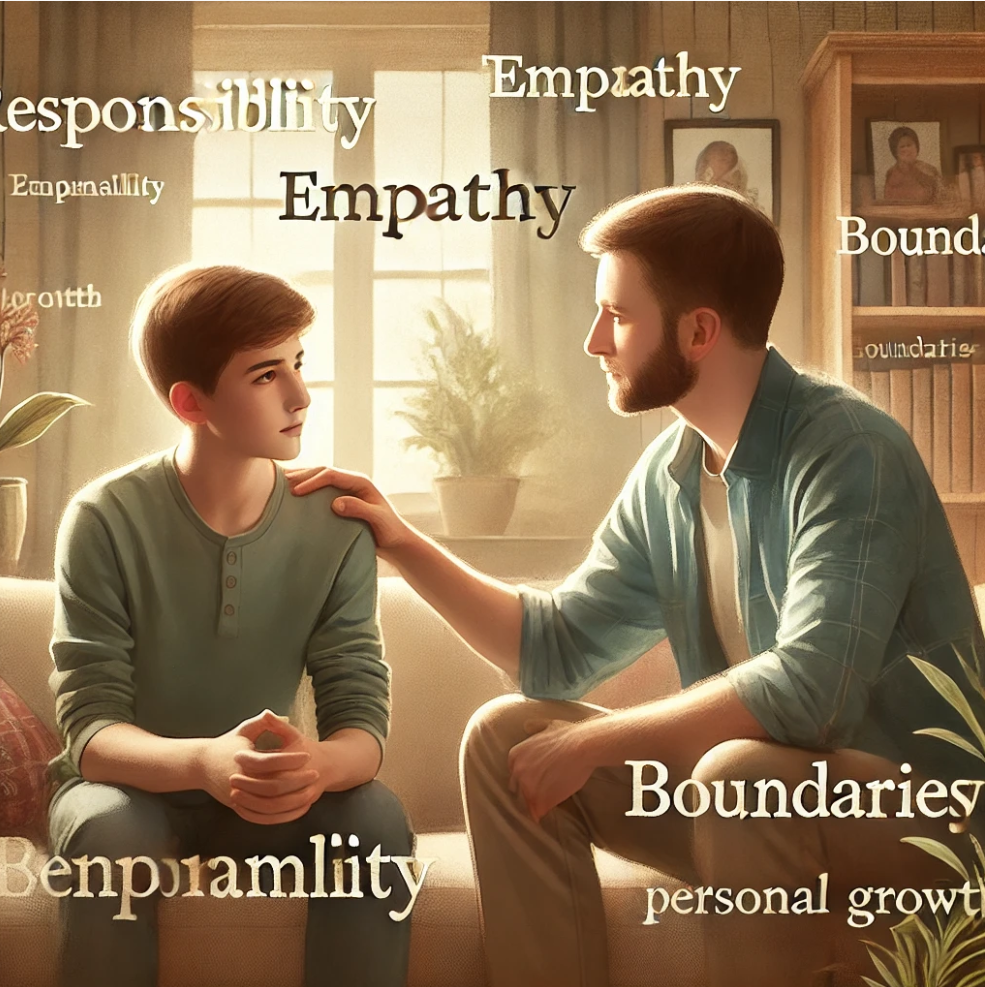
Does my teenager act “Entitled”? Understanding and Addressing Entitlement

Parents often encounter behavior in their teenagers that feels entitled—expecting special treatment, assuming privileges without effort, or displaying frustration when things don’t go their way. These behaviors can be confusing and frustrating, especially when parents aim to raise respectful, independent, and resilient young adults. Understanding what “entitlement” truly means, why it arises during adolescence, and how to address it can help parents navigate this challenging aspect of development.

1. Defining Entitlement in Teenagers

Entitlement is generally defined as an expectation of special treatment or privileges without reciprocal effort, responsibility, or appreciation. An “entitled” teenager may assume that their needs should come first, express frustration when they don’t get what they want, or expect rewards for minimal effort. This mindset can lead to struggles in relationships, academic settings, and future work environments if not addressed (Twenge & Campbell, 2009).

However, it’s important to distinguish normal adolescent self-focus from true entitlement. Adolescence is a time when teens are naturally centered on themselves as they explore their identities and seek independence. This phase of self-centeredness doesn’t always equal entitlement but can appear that way if certain behaviors aren’t balanced with empathy, responsibility, and appreciation.

2. Why Does Entitlement Develop in Teenagers?

Several factors contribute to the development of entitlement in teenagers, including societal influences, parenting styles, and the natural developmental processes of adolescence. Recognizing these influences can help parents understand the root causes and address entitlement more effectively.

A. Brain Development and the Adolescent Mindset

During the teenage years, the brain undergoes significant changes, particularly in areas responsible for impulse control and emotional regulation. This makes teens more focused on their immediate needs and desires, which can amplify entitled behaviors (Blakemore, 2018). Teens’ developing brains make it harder for them to weigh long-term consequences, so they may seek instant gratification and resist responsibility or hard work (Siegel, 2013).

B. Influence of Consumer Culture and Social Media

Teenagers are constantly exposed to social media and advertising that promotes instant gratification, materialism, and a “have-it-all” mentality. These messages can reinforce a sense of entitlement by suggesting that everyone deserves the latest trend, special treatment, or success without much effort (APA, 2019). Social media can also create unrealistic comparisons, making teens feel entitled to lifestyles or privileges similar to those they see online (Pew Research Center, 2018).

C. Parenting Styles and Overprotection

Overly permissive or “helicopter” parenting can unintentionally foster entitlement. When parents shield teens from responsibility or clear obstacles in their path, teens may begin to assume that life should always go smoothly and that they deserve special accommodations (Lythcott-Haims, 2015). While parental support is vital, balancing it with appropriate expectations and responsibilities is key to avoiding entitled attitudes.

3. Signs of Entitlement in Teenagers

Recognizing entitlement in teens can sometimes be tricky, as it may overlap with normal adolescent behaviors. However, certain patterns can indicate entitlement:

  • Lack of Appreciation: They rarely express gratitude or acknowledge the efforts others make on their behalf.
  • Avoiding Responsibilities: They expect privileges without putting in the required effort or fulfilling responsibilities, like household chores or academic work.
  • Resistance to “No”: They struggle to handle denial, setbacks, or limitations, often reacting with frustration or defiance.
  • Sense of Deserving Special Treatment: They expect special accommodations or assume they should receive rewards for minimal effort (Twenge & Campbell, 2009).

These behaviors can often lead to frustration and conflict within the family, as well as difficulties in other social settings, if left unchecked.

4. Addressing and Reducing Entitlement in Teens

Addressing entitlement doesn’t mean stripping teens of their independence or denying them privileges. Instead, it involves setting healthy boundaries, encouraging gratitude, and fostering resilience. Here are some practical strategies:

A. Teach Responsibility Through Consequences

It’s essential to allow teens to experience the natural consequences of their actions. When they make a mistake or avoid responsibilities, allow them to feel the results rather than rescuing them. This helps them understand that privileges and rewards are earned, not automatically granted (Kobliner, 2017).

B. Encourage Empathy and Perspective-Taking

Help your teen understand how their actions impact others by encouraging empathy. Discuss scenarios where they consider others’ perspectives, whether it’s the effort parents put into providing for them or the responsibilities their peers manage. Empathy-building exercises can shift their focus from self-centered expectations to a more balanced view of relationships and responsibilities (Gottman & DeClaire, 1998).

C. Model and Encourage Gratitude

Practicing gratitude has been shown to reduce entitlement and promote well-being. Encourage your teen to regularly acknowledge things they’re thankful for, whether through a gratitude journal or family discussions. When teens recognize what they have, they’re less likely to expect special treatment (Emmons, 2007).

D. Promote a “Growth Mindset”

Carol Dweck’s concept of a “growth mindset” encourages teens to value effort, learning, and resilience rather than expecting instant success or rewards. Emphasize the importance of persistence and improvement rather than immediate outcomes. This helps teens shift their focus from entitlement to personal growth and responsibility (Dweck, 2006).

E. Set Boundaries Around Privileges

Provide structure around privileges by connecting them to responsibilities. For instance, allow certain privileges only when chores, schoolwork, or other tasks are completed. Explain that privileges are not guaranteed but are earned through responsible behavior. This creates a sense of accountability and helps teens see the link between effort and reward (Kobliner, 2017).

5. Understanding Entitlement as a Phase, Not a Personality

It’s important to remember that entitlement in teens is often a temporary phase rather than a permanent personality trait. As teens grow and gain real-world experiences, many naturally outgrow entitlement, developing a greater sense of empathy, gratitude, and responsibility. With consistent guidance, you can support this growth and help them develop into resilient, respectful adults (Siegel, 2013).

Conclusion: Fostering Respect and Responsibility in Place of Entitlement

Navigating entitlement in teenagers can be challenging, but it’s possible to guide them toward a healthier outlook with understanding and the right strategies. By teaching responsibility, modeling gratitude, and promoting empathy, parents can help teens balance their needs with an appreciation for others. Recognizing that entitlement is often a developmental phase can help parents approach the issue with patience, knowing that with guidance, their teen can grow into a more self-aware and considerate young adult.

This article has been written by John S. Collier, MSW, LCSW. Mr. Collier has over 25 years of experience in the social work field and is based in London Kentucky through Southeast Kentucky Behavioral Health, LLC. Mr. Collier may be reached by phone at (606) 657–0532 extension 101 or by email at john@sekybh.com.

References

  • American Psychological Association. (2019). The Effects of Social Media on Children and Adolescents. APA.
  • Blakemore, S. J. (2018). Inventing Ourselves: The Secret Life of the Teenage Brain. PublicAffairs.
  • Dweck, C. S. (2006). Mindset: The New Psychology of Success. Random House.
  • Emmons, R. A. (2007). Thanks! How Practicing Gratitude Can Make You Happier. Houghton Mifflin.
  • Gottman, J., & DeClaire, J. (1998). Raising an Emotionally Intelligent Child. Simon & Schuster.
  • Kobliner, B. (2017). Make Your Kid a Money Genius (Even If You’re Not). Simon & Schuster.
  • Lythcott-Haims, J. (2015). How to Raise an Adult: Break Free of the Overparenting Trap and Prepare Your Kid for Success. Henry Holt and Company.
  • Pew Research Center. (2018). Teens, Social Media & Technology 2018. Pew Research Center.
  • Siegel, D. J. (2013). Brainstorm: The Power and Purpose of the Teenage Brain. TarcherPerigee.
  • Twenge, J. M., & Campbell, W. K. (2009). The Narcissism Epidemic: Living in the Age of Entitlement. Free Press.