

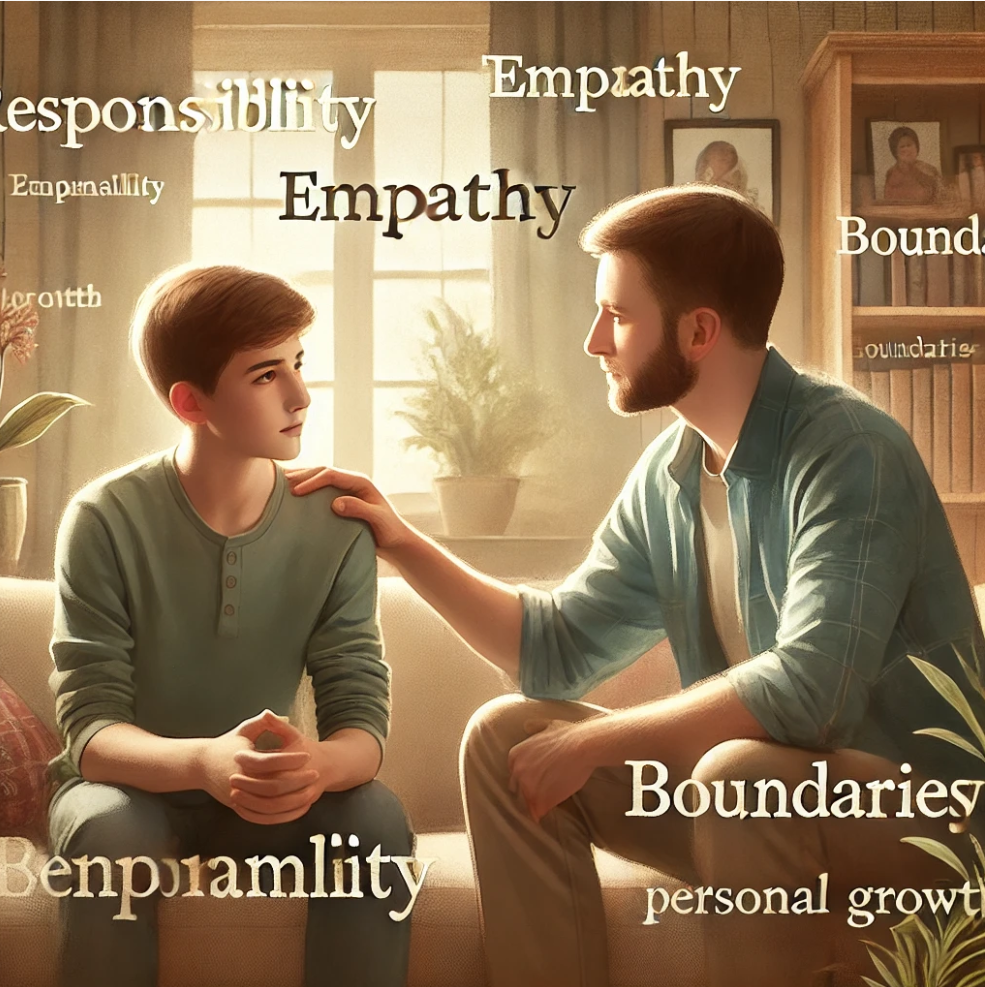
Does my teenager act “Entitled”? Understanding and Addressing Entitlement
Parents often encounter behavior in their teenagers that feels entitled—expecting special treatment, assuming privileges without effort, or displaying frustration when things don’t go their way. These behaviors can be confusing and frustrating, especially when parents aim to raise respectful, independent, and resilient young adults. Understanding what “entitlement” truly means, why it arises during adolescence, and how to address it can help parents navigate this challenging aspect of development.
1. Defining Entitlement in Teenagers
Entitlement is generally defined as an expectation of special treatment or privileges without reciprocal effort, responsibility, or appreciation. An “entitled” teenager may assume that their needs should come first, express frustration when they don’t get what they want, or expect rewards for minimal effort. This mindset can lead to struggles in relationships, academic settings, and future work environments if not addressed (Twenge & Campbell, 2009).
However, it’s important to distinguish normal adolescent self-focus from true entitlement. Adolescence is a time when teens are naturally centered on themselves as they explore their identities and seek independence. This phase of self-centeredness doesn’t always equal entitlement but can appear that way if certain behaviors aren’t balanced with empathy, responsibility, and appreciation.
2. Why Does Entitlement Develop in Teenagers?
Several factors contribute to the development of entitlement in teenagers, including societal influences, parenting styles, and the natural developmental processes of adolescence. Recognizing these influences can help parents understand the root causes and address entitlement more effectively.
A. Brain Development and the Adolescent Mindset
During the teenage years, the brain undergoes significant changes, particularly in areas responsible for impulse control and emotional regulation. This makes teens more focused on their immediate needs and desires, which can amplify entitled behaviors (Blakemore, 2018). Teens’ developing brains make it harder for them to weigh long-term consequences, so they may seek instant gratification and resist responsibility or hard work (Siegel, 2013).
B. Influence of Consumer Culture and Social Media
Teenagers are constantly exposed to social media and advertising that promotes instant gratification, materialism, and a “have-it-all” mentality. These messages can reinforce a sense of entitlement by suggesting that everyone deserves the latest trend, special treatment, or success without much effort (APA, 2019). Social media can also create unrealistic comparisons, making teens feel entitled to lifestyles or privileges similar to those they see online (Pew Research Center, 2018).
C. Parenting Styles and Overprotection
Overly permissive or “helicopter” parenting can unintentionally foster entitlement. When parents shield teens from responsibility or clear obstacles in their path, teens may begin to assume that life should always go smoothly and that they deserve special accommodations (Lythcott-Haims, 2015). While parental support is vital, balancing it with appropriate expectations and responsibilities is key to avoiding entitled attitudes.
3. Signs of Entitlement in Teenagers
Recognizing entitlement in teens can sometimes be tricky, as it may overlap with normal adolescent behaviors. However, certain patterns can indicate entitlement:
- Lack of Appreciation: They rarely express gratitude or acknowledge the efforts others make on their behalf.
- Avoiding Responsibilities: They expect privileges without putting in the required effort or fulfilling responsibilities, like household chores or academic work.
- Resistance to “No”: They struggle to handle denial, setbacks, or limitations, often reacting with frustration or defiance.
- Sense of Deserving Special Treatment: They expect special accommodations or assume they should receive rewards for minimal effort (Twenge & Campbell, 2009).
These behaviors can often lead to frustration and conflict within the family, as well as difficulties in other social settings, if left unchecked.
4. Addressing and Reducing Entitlement in Teens
Addressing entitlement doesn’t mean stripping teens of their independence or denying them privileges. Instead, it involves setting healthy boundaries, encouraging gratitude, and fostering resilience. Here are some practical strategies:
A. Teach Responsibility Through Consequences
It’s essential to allow teens to experience the natural consequences of their actions. When they make a mistake or avoid responsibilities, allow them to feel the results rather than rescuing them. This helps them understand that privileges and rewards are earned, not automatically granted (Kobliner, 2017).
B. Encourage Empathy and Perspective-Taking
Help your teen understand how their actions impact others by encouraging empathy. Discuss scenarios where they consider others’ perspectives, whether it’s the effort parents put into providing for them or the responsibilities their peers manage. Empathy-building exercises can shift their focus from self-centered expectations to a more balanced view of relationships and responsibilities (Gottman & DeClaire, 1998).
C. Model and Encourage Gratitude
Practicing gratitude has been shown to reduce entitlement and promote well-being. Encourage your teen to regularly acknowledge things they’re thankful for, whether through a gratitude journal or family discussions. When teens recognize what they have, they’re less likely to expect special treatment (Emmons, 2007).
D. Promote a “Growth Mindset”
Carol Dweck’s concept of a “growth mindset” encourages teens to value effort, learning, and resilience rather than expecting instant success or rewards. Emphasize the importance of persistence and improvement rather than immediate outcomes. This helps teens shift their focus from entitlement to personal growth and responsibility (Dweck, 2006).
E. Set Boundaries Around Privileges
Provide structure around privileges by connecting them to responsibilities. For instance, allow certain privileges only when chores, schoolwork, or other tasks are completed. Explain that privileges are not guaranteed but are earned through responsible behavior. This creates a sense of accountability and helps teens see the link between effort and reward (Kobliner, 2017).
5. Understanding Entitlement as a Phase, Not a Personality
It’s important to remember that entitlement in teens is often a temporary phase rather than a permanent personality trait. As teens grow and gain real-world experiences, many naturally outgrow entitlement, developing a greater sense of empathy, gratitude, and responsibility. With consistent guidance, you can support this growth and help them develop into resilient, respectful adults (Siegel, 2013).
Conclusion: Fostering Respect and Responsibility in Place of Entitlement
Navigating entitlement in teenagers can be challenging, but it’s possible to guide them toward a healthier outlook with understanding and the right strategies. By teaching responsibility, modeling gratitude, and promoting empathy, parents can help teens balance their needs with an appreciation for others. Recognizing that entitlement is often a developmental phase can help parents approach the issue with patience, knowing that with guidance, their teen can grow into a more self-aware and considerate young adult.

This article has been written by John S. Collier, MSW, LCSW. Mr. Collier has over 25 years of experience in the social work field and is based in London Kentucky through Southeast Kentucky Behavioral Health, LLC. Mr. Collier may be reached by phone at (606) 657–0532 extension 101 or by email at john@sekybh.com.
References
- American Psychological Association. (2019). The Effects of Social Media on Children and Adolescents. APA.
- Blakemore, S. J. (2018). Inventing Ourselves: The Secret Life of the Teenage Brain. PublicAffairs.
- Dweck, C. S. (2006). Mindset: The New Psychology of Success. Random House.
- Emmons, R. A. (2007). Thanks! How Practicing Gratitude Can Make You Happier. Houghton Mifflin.
- Gottman, J., & DeClaire, J. (1998). Raising an Emotionally Intelligent Child. Simon & Schuster.
- Kobliner, B. (2017). Make Your Kid a Money Genius (Even If You’re Not). Simon & Schuster.
- Lythcott-Haims, J. (2015). How to Raise an Adult: Break Free of the Overparenting Trap and Prepare Your Kid for Success. Henry Holt and Company.
- Pew Research Center. (2018). Teens, Social Media & Technology 2018. Pew Research Center.
- Siegel, D. J. (2013). Brainstorm: The Power and Purpose of the Teenage Brain. TarcherPerigee.
- Twenge, J. M., & Campbell, W. K. (2009). The Narcissism Epidemic: Living in the Age of Entitlement. Free Press.

Why Do I Always Tell My Children “No”: Understanding and Shifting the Habit
As a parent, you want the best for your children. But you may have noticed yourself often saying “No” automatically, even when it comes to requests that might be harmless. This habit is common among parents and often rooted in various psychological and situational factors. Understanding why we respond this way can help us build a more balanced approach to parenting, one that encourages open communication, nurtures independence, and helps children feel heard and respected.
1. The “No” Habit and Parenting Stress
Saying “No” frequently can become an unconscious habit. With the demands of work, household responsibilities, and parenting, parents often operate on “auto-pilot” (Harris, 2009). “No” may seem like the easiest response because it quickly resolves the request, keeping daily tasks from being interrupted. However, constantly saying “No” can lead to a tense relationship with your child and make them feel their needs aren’t valued.
Why This Happens
Stress and fatigue are significant factors here. When parents are overwhelmed, they tend to take shortcuts, often opting for immediate control over open discussions (APA, 2020). Unfortunately, this response can create a cycle where children either learn to stop asking or begin to push back, escalating power struggles.
What You Can Do
Recognize when stress is affecting your interactions with your children. Taking a few deep breaths or a moment to think before responding can help you evaluate whether the “No” is necessary. Reflecting on why you’re saying “No” can help break the habit and introduce more flexibility in your responses.
2. The Desire to Protect
One of the main reasons parents instinctively say “No” is the need to protect their children from potential harm, failure, or disappointment. Psychologically, this is known as “protective parenting,” a natural inclination that stems from love and a desire to keep children safe (Siegel & Bryson, 2012). But, when used too often, it can limit children’s opportunities to explore and grow.
Why This Happens
The need to shield children from harm is deeply ingrained in parents, especially when it comes to risky situations. However, saying “No” to low-risk situations, like letting kids experiment with small tasks, can prevent them from developing resilience and confidence.
What You Can Do
When your child asks for something, take a moment to consider if there’s a real risk. If it’s safe, try saying “Yes” or providing a compromise. For instance, instead of saying “No, you can’t go out in the rain,” you might say, “Yes, but let’s put on a raincoat and boots first.” Allowing children to safely navigate challenges can build their confidence and independence (Dweck, 2006).
3. The Need for Control and Consistency
Parents often feel that frequent “No’s” maintain consistency and reinforce boundaries. While setting boundaries is crucial, constantly saying “No” can sometimes be less about discipline and more about maintaining a sense of control during chaotic moments (Gottman & DeClaire, 1998). This may unintentionally communicate rigidity rather than guidance.
Why This Happens
Establishing order feels essential when parents have many responsibilities. However, too many “No’s” can restrict children’s ability to express themselves and explore their environment, which are important aspects of childhood development (Ginsburg, 2007).
What You Can Do
Try establishing a few firm boundaries while allowing flexibility in less critical areas. For instance, if your child wants to play before finishing their homework, consider a time-limited break rather than a strict “No.” Offering choices within boundaries helps children feel a sense of control and teaches decision-making skills.
4. The Negativity Bias and Past Experiences
Parents’ own childhood experiences and memories can shape their instinctual reactions. If you grew up in a strict environment, you might find yourself unconsciously repeating similar patterns. Additionally, the human brain has a “negativity bias,” which means we naturally focus more on potential negative outcomes (Goleman, 2006). This bias can make it easier to focus on why something is a bad idea instead of the potential positives.
Why This Happens
Experiences from your own childhood can subconsciously shape how you react. For instance, if you were often told “No,” you may find yourself doing the same with your children, without fully realizing why.
What You Can Do
Reflect on how your own experiences may be influencing your parenting style. Are there situations where you can be more open? Journaling or talking with a counselor can help you become more aware of these patterns and make conscious choices to encourage a positive environment.
5. The Desire for Predictability
Saying “No” often gives parents a feeling of predictability and control. Children can be unpredictable, and setting strict boundaries can feel like a way to keep things manageable. However, children’s development thrives in environments where they feel safe to explore, make choices, and occasionally make mistakes (Montessori, 2013).
Why This Happens
When schedules are tight and parents are balancing many responsibilities, controlling the environment by saying “No” can feel like a quick fix. Unfortunately, this can also stifle curiosity and experimentation.
What You Can Do
Embrace moments of “controlled unpredictability.” For instance, if your child wants to play with something messy like paint, plan it for a specific time when you can manage it. Being flexible helps children feel more comfortable trying new things and builds trust in the parent-child relationship.
6. Building a More Balanced Approach: When to Say “Yes”
It’s important to remember that not every “Yes” has to be a big decision. Small “Yeses” can empower your child and strengthen your bond. Saying “Yes” doesn’t mean a lack of boundaries—it means choosing which requests to support and which to discuss more.
What You Can Do
Start by saying “Yes” to safe, reasonable requests whenever possible. If something doesn’t work out perfectly, use it as a learning experience. This shift toward a more balanced approach can help your child feel heard, build trust, and even encourage more positive behavior.
Moving Away from “No” for a Healthier Connection
Saying “No” is sometimes necessary, but it doesn’t have to be the automatic response. By understanding why you might be inclined to say “No” and practicing a more flexible approach, you can encourage a more supportive, open relationship with your child. Remember, balanced guidance, mixed with the freedom to explore, is a powerful combination that can help your child grow with confidence and curiosity.
This article has been written by John S. Collier, MSW, LCSW. Mr. Collier has over 25 years of experience in the social work field and is based in London Kentucky through Southeast Kentucky Behavioral Health, LLC. Mr. Collier may be reached by phone at (606) 657–0532 extension 101 or by email at john@sekybh.com.
References
- American Psychological Association. (2020). Parenting in the Time of COVID-19. APA.
- Dweck, C. S. (2006). Mindset: The New Psychology of Success. Random House.
- Ginsburg, K. R. (2007). The Importance of Play in Promoting Healthy Child Development and Maintaining Strong Parent-Child Bonds. Pediatrics, 119(1), 182-191.
- Goleman, D. (2006). Social Intelligence: The New Science of Human Relationships. Bantam.
- Gottman, J., & DeClaire, J. (1998). Raising an Emotionally Intelligent Child. Simon & Schuster.
- Harris, P. (2009). Parenting Without Stress: How to Raise Responsible Kids While Keeping a Life of Your Own. PuddleDancer Press.
- Montessori, M. (2013). The Absorbent Mind. Start Publishing LLC.
- Siegel, D. J., & Bryson, T. P. (2012). The Whole-Brain Child: 12 Revolutionary Strategies to Nurture Your Child’s Developing Mind. Bantam.

Why Do We Feel Guilty When We Take the Time to Relax?
In today’s fast-paced world, feelings of guilt often accompany moments of rest and relaxation. Many individuals experience anxiety and guilt when taking time for themselves, feeling as if they are neglecting responsibilities or failing to meet societal expectations of productivity. This article explores psychological, cultural, and societal reasons behind the guilt associated with relaxation and offers insights into how individuals can overcome this guilt to achieve a healthier work-life balance.
The Psychological Basis of Guilt
Guilt, as a psychological experience, can be described as a negative emotional state that arises when one perceives that they have done something wrong or violated personal values. Research suggests that guilt often stems from deeply embedded societal and cultural norms, as well as from internalized expectations about productivity and self-worth (Tangney et al., 2007).
For instance, cognitive theories suggest that individuals may develop “should” statements, such as “I should be working,” which create a sense of duty to be constantly productive (Beck, 1976). This cognitive distortion leads to an emotional response that equates rest with irresponsibility or laziness, thus inducing guilt.
Cultural and Societal Pressures
Cultural norms around productivity significantly contribute to feelings of guilt. In many cultures, particularly those with strong individualistic values, productivity is often equated with personal value (Hofstede, 1984). In these settings, people may feel that their self-worth is directly tied to their achievements, making it challenging to relax without feeling as though they are compromising their personal value.
Furthermore, the “hustle culture” promoted on social media often glorifies overworking and presents relaxation as a luxury for the unmotivated (Shapiro, 2019). This societal influence can lead people to internalize the belief that downtime is wasted time, thereby increasing the guilt associated with it.
The Role of Personal Values and Work Ethic
For many individuals, personal values and work ethic play a role in the experience of guilt during relaxation. Those who value hard work and efficiency may find it difficult to allow themselves time off without feeling that they are violating their core values (Grant, 2013). This guilt may be especially prominent in individuals with a strong sense of duty or responsibility toward others, such as parents, caregivers, or people in helping professions (Gould & Buss, 2015).
Coping Strategies
Overcoming guilt associated with relaxation requires reframing beliefs around productivity and self-care. Cognitive Behavioral Therapy (CBT) techniques, for instance, can help individuals challenge irrational thoughts around relaxation and redefine it as a necessary component of overall well-being (Beck, 2011). Mindfulness practices also encourage people to stay present in the moment, allowing them to focus on relaxation without ruminating over undone tasks (Kabat-Zinn, 1990).
In addition, developing a structured schedule that includes dedicated time for rest can reduce feelings of guilt. Viewing relaxation as part of a balanced routine, rather than as a diversion from productivity, can help normalize it as a beneficial practice (Levine, 2000).
Feeling guilty about taking time to relax is a common experience that stems from psychological, cultural, and personal factors. Understanding the origins of this guilt and practicing techniques to reframe one’s mindset can help individuals find greater balance. Recognizing that relaxation is essential for well-being, rather than an indulgence, is a vital step in fostering a healthier relationship with oneself.
This article has been written by John S. Collier, MSW, LCSW. Mr. Collier has over 25 years of experience in the social work field. Mr. Collier currently serves as the Executive Director/President and Outpatient service provider through Southeast Kentucky Behavioral Health, LLC. Mr. Collier may be reached by phone at (606) 657–0532 extension 101 or by email at john@sekybh.com.
References
- Beck, A. T. (1976). Cognitive Therapy and the Emotional Disorders. International Universities Press.
- Beck, A. T. (2011). Cognitive Behavior Therapy: Basics and Beyond. Guilford Press.
- Gould, L., & Buss, D. M. (2015). The Psychology of Moral Emotions. Academic Press.
- Grant, A. M. (2013). Give and Take: Why Helping Others Drives Our Success. Penguin Books.
- Hofstede, G. (1984). Culture’s Consequences: International Differences in Work-Related Values. Sage.
- Kabat-Zinn, J. (1990). Full Catastrophe Living: Using the Wisdom of Your Body and Mind to Face Stress, Pain, and Illness. Bantam.
- Levine, R. (2000). A Geography of Time: The Temporal Misadventures of a Social Psychologist. Basic Books.
- Shapiro, J. (2019). The paradox of hustle culture: How working nonstop became a status symbol. Journal of Media Psychology, 12(3), 210-217.
- Tangney, J. P., Stuewig, J., & Mashek, D. J. (2007). Moral emotions and moral behavior. Annual Review of Psychology, 58, 345-372.