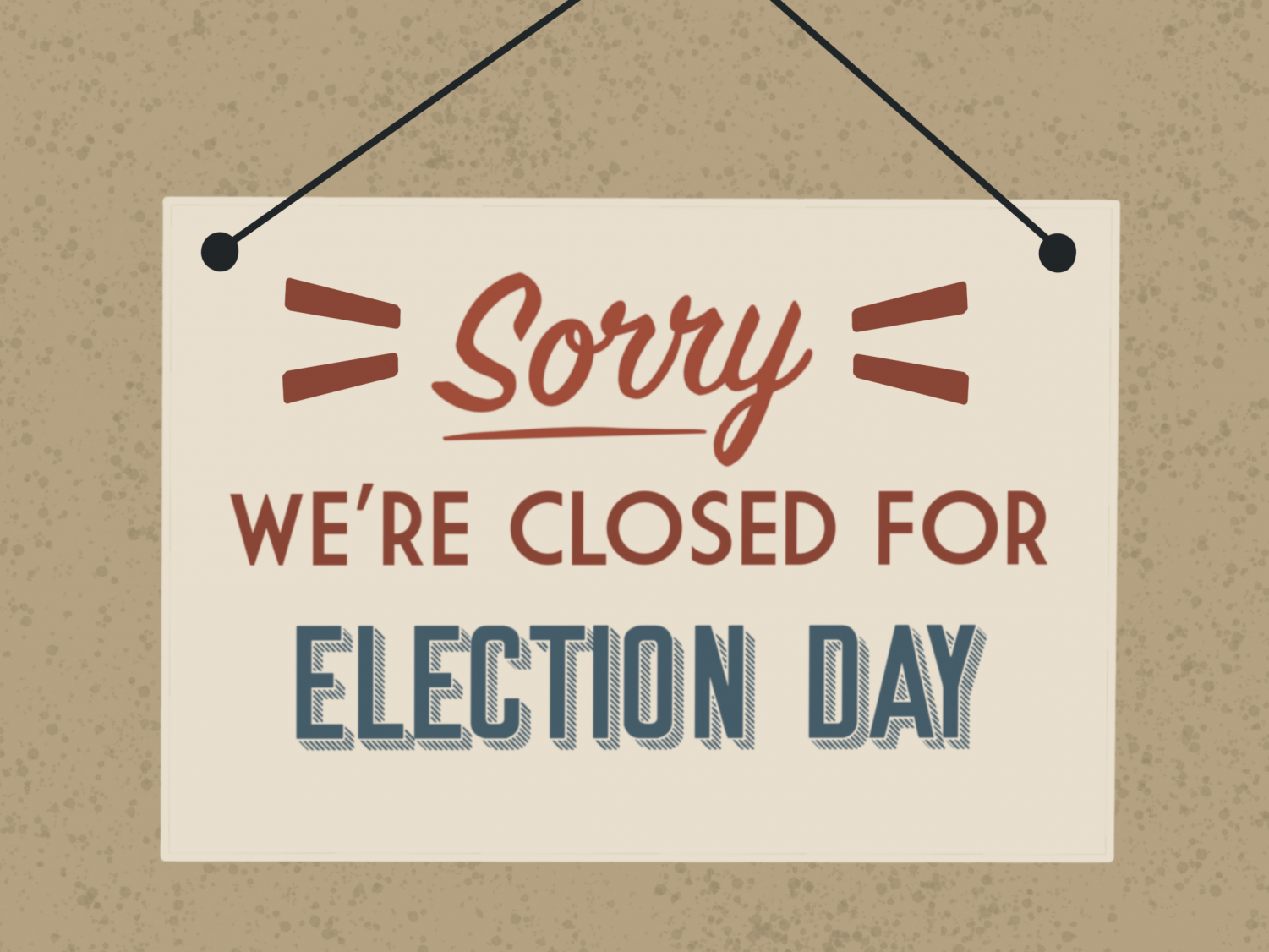
CLOSED!!!!

Our main office will be closed Tuesday, November 5, 2024 for Election Day.



Peer pressure, a common part of adolescence, is the influence that individuals within the same age group exert on each other. This influence can impact behaviors, values, and self-perception and may occur directly or indirectly (Steinberg, 2014). While peer pressure can sometimes lead to positive behaviors—such as improved school performance or involvement in community activities—it often leads to risky behaviors, especially during teenage years. As parents, understanding how peer pressure works and knowing how to support your child in managing it can make a significant difference.
Peer pressure can take various forms, and understanding these can help parents identify when their child might be under influence:
Adolescents are particularly susceptible to peer pressure because of developmental changes. During the teenage years, individuals become more independent from their families and start to rely more on peer relationships for emotional and social support (Albert et al., 2013). Additionally, the adolescent brain is highly sensitive to rewards, and the presence of peers can increase risk-taking behavior (Steinberg, 2014).
Research indicates that peer influence can shape a teen’s values and behaviors more than parental influence during certain stages of adolescence (Simons-Morton & Farhat, 2010). For example, teens who associate with peers involved in substance use are more likely to engage in these behaviors themselves (Allen et al., 2006). However, this influence can also lead to positive behaviors if they are surrounded by supportive and motivated peers.
Parents should look out for signs that their child may be experiencing negative peer pressure, which can include:
Fostering open, honest communication is essential. Regular conversations with your child can encourage them to share their feelings and experiences. According to a study by Dishion and Tipsord (2011), teens who have strong parental support and communication are more resilient against negative peer influence.
Help your child develop decision-making skills and build confidence in their own choices. Parents can model assertive behavior and provide their children with tools to resist pressure, such as practicing saying “no” or suggesting alternatives (Albert et al., 2013).
Encourage your teen to build relationships with peers who share positive values. Research shows that supportive friendships can act as a protective factor, reducing susceptibility to negative peer pressure (Allen et al., 2006). Get to know your child’s friends and their parents to understand the influences surrounding your teen.
Have open discussions about the risks associated with certain behaviors, such as substance use or skipping school. Understanding the potential consequences can empower teens to make informed decisions (Simons-Morton & Farhat, 2010).
Parents are influential role models. Demonstrating responsible behavior and discussing how you handle social pressures can provide a framework for your teen (Brechwald & Prinstein, 2011). When teens see their parents handling pressure assertively and responsibly, they are more likely to emulate those behaviors.
Celebrate your teen’s individuality and reinforce their positive choices. Positive reinforcement can increase their confidence, helping them resist the urge to conform to negative influences.
Understanding peer pressure and its impact on teenagers can help parents play an active role in guiding their children. By fostering open communication, modeling positive behaviors, and encouraging healthy friendships, parents can equip their teens with the tools they need to resist negative peer pressure. Supporting teens through these formative years is crucial, helping them build self-confidence and resilience to navigate peer influences effectively.

This article has been written by John S. Collier, MSW, LCSW. Mr. Collier has over 25 years of experience in thein the Social Work field. He currently serves as the Executive Director and service provider with Southeast Kentucky Behavioral Health based out of London Kentucky. Mr. Collier can be reached by phone at (606) 657-0532 extension 101 or by email john@sekybh.com.


Imagine you’re sitting at lunch, and everyone around you is talking about the latest song, the coolest clothes, or the newest app. Suddenly, you feel a strong pull to check it out, too. But why do we feel this way? Why do we often follow what we think is popular, even if it’s not something we’re really into? In this article, we’ll explore why following trends and popular things is so tempting, especially for young people.
1. The Power of Social Influence
Humans are social creatures, which means we often look to others to guide our behavior. This is known as social influence. Psychologists explain that we tend to follow others to fit in, especially when we’re in situations where we feel uncertain or uncomfortable. When we see many people liking something or talking about it, we assume it must be good or interesting. For pre-teens and teens, this desire to fit in is even stronger as you’re discovering your identity and forming social groups (Cialdini, 2007).
Social influence works in two main ways:
2. The Role of the Brain
Did you know your brain also has a role in why we follow what’s popular? The prefrontal cortex, which is the part of the brain responsible for decision-making and understanding social situations, is still developing during your pre-teen years. Because of this, young people are more likely to be influenced by what they see around them (Steinberg, 2013).
In fact, studies show that when people experience social acceptance or positive feedback from others, the brain releases a chemical called dopamine (Sherman et al., 2016). Dopamine is often called the “feel-good” hormone because it makes us feel happy and rewarded. This can make following trends or doing what others do even more appealing, as we get that rewarding feeling from being included.
3. Social Media and Trends
Social media plays a big role in what we think is popular today. Platforms like TikTok, Instagram, and Snapchat constantly show us the latest trends in fashion, music, and even behaviors. Algorithms on these platforms are designed to keep us engaged by showing us what’s popular or “viral.” Because we see so many people doing the same challenges, wearing similar outfits, or using the same slang, we might feel pressured to follow along.
Researchers have found that people tend to feel more confident in their choices when they believe others are making the same choices (Bond & Smith, 1996). This is called the bandwagon effect. On social media, when we see thousands of people liking, sharing, or commenting on something, we assume it’s worth paying attention to and are more likely to join in, even if we might not actually like it ourselves.
4. Identity and Self-Expression
As pre-teens, you’re discovering who you are and how you want to be seen by others. Trying out trends is one way of exploring your identity. When we dress a certain way or listen to certain music, we’re also expressing our values and interests. Following popular trends can sometimes make it easier to connect with others who share similar interests, helping us feel like we belong to a group (Erikson, 1968).
However, there’s also a downside to this. If we focus too much on what others think is cool or popular, we might end up doing things just to fit in rather than because we truly enjoy them. Remember that it’s okay to be different and to like things that aren’t popular, too.
5. Finding a Balance
While it’s natural to be influenced by what’s popular, it’s also important to find a balance. Here are some tips to help you stay true to yourself while navigating trends:
Following popular trends is something we all do at times, especially as we’re figuring out who we are. But by learning to think about why we’re drawn to certain trends, we can make more confident choices about what we really like. Trends come and go, but your unique personality and interests are what make you truly stand out.

This article has been written by John S. Collier, MSW, LCSW. Mr. Collier has over 25 years of experience in the social work field and is based in London Kentucky through Southeast Kentucky Behavioral Health, LLC. Mr. Collier may be reached by phone at (606) 657–0532 extension 101 or by email at john@sekybh.com.
References


As the holiday season approaches, many people find themselves experiencing elevated levels of stress. Despite the season’s emphasis on joy and celebration, the holidays can bring unique stressors that impact mental well-being. From financial pressures and social obligations to family dynamics and the expectation of cheer, holiday stress is a prevalent issue. Understanding these sources of stress and adopting effective coping strategies can help individuals navigate the season with resilience.

For those struggling with holiday stress, reaching out to friends, family, or a mental health professional can be beneficial. Studies show that social support can significantly reduce stress and improve mental well-being (Cohen & Wills, 1985). Talking openly about holiday-related stress with loved ones or seeking therapy can provide emotional relief and help develop coping skills.
The holiday season brings unique challenges, from financial strain to social pressures. However, by setting realistic expectations, practicing self-care, and employing mindfulness techniques, individuals can mitigate these stressors and enjoy a more peaceful holiday season. For those who continue to struggle, seeking support from friends, family, or mental health professionals can provide essential relief. Managing holiday stress effectively is key to fostering a healthier, happier season.
This article was written by John S. Collier, MSW, LCSW. Mr. Collier is a seasoned clinical social worker with over 25 years of experience, serving the London and Richmond, Kentucky areas through Southeast Kentucky Behavioral Health, LLC. Known for his compassionate approach and commitment to quality care, Mr. Collier supports individuals and families with a focus on mental health and well-being. He may be reached by phone at (606) 657–0532, extension 101, or by email at john@sekybh.com.
This article provides a comprehensive overview of the causes and coping strategies for holiday-related stress, offering readers evidence-based insights for a healthier holiday season.