WELCOME
Listening to Understand, Not to Win

Many couples argue because they are trying to win, not because they don’t care. When people listen just to prove their point, conversations turn into fights. When people listen to understand, conversations turn into chances to grow closer.

Listening to understand means you are trying to truly hear what your partner feels and needs—even if you do not fully agree. This kind of listening builds trust, safety, and connection in marriage.


Listening to Win vs. Listening to Understand

Listening to Win

When someone listens to win, they are:

  • planning what to say next
  • defending themselves
  • trying to prove they are right
  • pointing out mistakes

This makes the other person feel unheard and unsafe. When people feel unsafe, they shut down or fight back.

Listening to Understand

When someone listens to understand, they are:

  • focused on the other person
  • trying to understand feelings
  • asking questions instead of accusing
  • showing care and respect

Research shows that feeling understood lowers anger and helps couples solve problems together (Gottman Institute, n.d.).


Why Feeling Heard Matters So Much

When your partner feels heard, their body and brain calm down. They are more open to problem-solving. Studies on active listening show that people communicate better when they feel emotionally understood, not judged (Rogers & Farson, 1957).

You do not have to agree to show understanding. You only have to show that you are trying to understand.


A Helpful Rule: Understand First, Respond Later

A simple rule for couples is this:

Do not argue with something you do not fully understand yet.

Before responding, try to explain your partner’s point in your own words. This shows effort and care.

Example:

  • “What I hear you saying is that you felt ignored when I didn’t respond.”
  • “It sounds like that really hurt you.”

This approach reduces defensiveness and keeps conversations respectful (Gottman Institute, n.d.).


5 Simple Skills for Listening to Understand

1. Give Full Attention

Put down your phone. Look at your partner. Show that they matter.

2. Don’t Interrupt

Let your partner finish speaking. Interrupting sends the message that their feelings don’t matter.

3. Repeat What You Heard

Say:

  • “So you’re saying…”
    This helps prevent misunderstandings.

4. Name the Feeling

Try:

  • “It sounds like you felt frustrated.”
    This helps your partner feel seen.

5. Ask If You Got It Right

End with:

  • “Did I understand that correctly?”
    This turns the conversation into teamwork.

These steps are core parts of active listening and emotional connection (StatPearls, 2023).


A Simple Script Couples Can Use

Partner A:
“I feel hurt when this happens.”

Partner B:
“What I hear is that you felt hurt because ____. Did I get that right?”

Partner A:
“Yes” or “Almost—here’s what I mean…”

Partner B:
“Thank you for explaining. Tell me more.”

This small change can completely shift the tone of a conversation.


Common Mistakes to Avoid

  • Trying to fix the problem too fast
  • Saying “yes, but…”
  • Correcting small details instead of focusing on feelings
  • Getting defensive right away

When emotions are high, understanding must come before solutions.


Conclusion

Listening to understand, not to win, changes marriages. It creates safety. It builds trust. It helps couples feel like partners instead of opponents.

When both people feel heard, even hard conversations become moments of connection.

Reframes for Couples

Use these simple reframes during conflict:

  • ❌ “You’re wrong.”
    ✅ “Help me understand your point.”
  • ❌ “You’re overreacting.”
    ✅ “I see this really matters to you.”
  • ❌ “Here’s why I did that.”
    ✅ “I want to understand how that affected you.”
  • ❌ “You always…”
    ✅ “When this happens, it feels…”
  • ❌ “I need to defend myself.”
    ✅ “I need to listen first.”

Strong marriages are not built on being right.
They are built on being present, patient, and willing to understand.


This article was written by John S. Collier, MSW, LCSW-S. He is a Licensed Clinical Social Worker and behavioral health professional with extensive experience working with individuals, couples, and families. He specializes in relationship dynamics, emotional regulation, trauma-informed care, and communication patterns that impact long-term connection. John is known for blending clinical insight with practical, real-life guidance that helps couples move from conflict toward understanding, safety, and emotional growth. His work focuses on helping people build healthier relationships through empathy, accountability, and intentional communication.


Reflective Questions

  1. Do I listen to understand or to respond?
  2. What helps me feel heard by my partner?
  3. What habits do I have that shut conversations down?
  4. How do I react when I feel misunderstood?
  5. What would change if I focused more on understanding than winning?

References


Marriage and Happiness

Marriage is often idealized as the pinnacle of love and fulfillment—a fairy-tale ending where happiness is guaranteed. The idea that marriage is a ticket to perpetual joy, however, is a misguided notion that sets couples up for disappointment. While happiness is an important component of a healthy marriage, entering into matrimony with the sole purpose of achieving personal happiness is a fundamentally flawed premise. True marital satisfaction comes from commitment, mutual growth, and shared purpose rather than the fleeting emotion of happiness.

Happiness is Not a Constant State

One of the greatest misconceptions about marriage is that it will sustain perpetual happiness. However, research in psychology suggests that happiness is a fluctuating emotional state influenced by numerous factors, including individual well-being, life circumstances, and external stressors (Lyubomirsky, 2007). Expecting a spouse to provide continual happiness places undue pressure on the relationship, often leading to dissatisfaction when reality does not match expectations.

Studies indicate that while marriage can contribute to overall well-being, the “honeymoon phase” of heightened happiness typically fades within the first two years (Lucas et al., 2003). Once the initial excitement subsides, couples who entered marriage seeking continuous joy may feel disillusioned, mistaking normal relationship challenges as signs of incompatibility or failure.

Marriage Requires Effort, Not Just Emotion

Sustainable, long-term marriages are not built on transient feelings but on mutual effort and resilience. The work of Dr. John Gottman, a leading marriage researcher, emphasizes that successful relationships depend on factors such as emotional attunement, conflict resolution skills, and shared meaning (Gottman & Silver, 2015). Couples who focus solely on personal happiness often neglect the foundational aspects of a relationship, such as communication, compromise, and commitment.

Instead of seeing marriage as a source of happiness, couples should approach it as a partnership where both individuals strive to build a fulfilling life together. This perspective aligns with findings that marital satisfaction is linked to a shared sense of purpose and emotional support rather than just romantic bliss (Finkel et al., 2014).

Marriage is About Giving, Not Just Receiving

A marriage centered on individual happiness can quickly devolve into a transactional relationship, where each partner evaluates whether they are getting enough personal satisfaction. This mindset undermines the essence of marriage, which thrives on giving rather than just receiving. Research shows that acts of generosity and selflessness within a marriage contribute to deeper satisfaction and long-term stability (Algoe et al., 2010).

When individuals enter marriage with a self-focused mindset, they may struggle with the inevitable sacrifices and compromises that come with a shared life. True marital fulfillment arises when partners prioritize mutual growth, emotional intimacy, and a shared vision rather than individual gratification.

Happiness is a Byproduct, Not the Goal

When marriage is approached with the understanding that happiness is a byproduct of commitment rather than the primary objective, couples are more likely to build enduring relationships. Happiness in marriage stems from deep connection, shared experiences, and the ability to navigate life’s challenges together. Expecting marriage to provide happiness without effort is like expecting a garden to flourish without watering and tending to it.

Instead of asking, “Will marriage make me happy?” a more constructive question is, “Am I ready to commit, grow, and build a life with this person?” When happiness is viewed as a natural consequence of a healthy relationship rather than the sole reason for getting married, couples are better prepared for the realities of a lifelong partnership.

If the primary reason for getting married is to be happy, you may be setting yourself up for disappointment. Happiness is not a permanent state but a byproduct of commitment, mutual support, and shared purpose. A fulfilling marriage requires effort, resilience, and a willingness to grow together, rather than expecting one’s partner to be a constant source of joy. Those who enter marriage with the right mindset—one of dedication and mutual enrichment—are far more likely to experience lasting satisfaction and a deeper, more meaningful connection.


References

  • Algoe, S. B., Gable, S. L., & Maisel, N. C. (2010). It’s the Little Things: Everyday Gratitude as a Booster Shot for Romantic Relationships. Personal Relationships, 17(2), 217–233.
  • Finkel, E. J., Hui, C. M., Carswell, K. L., & Larson, G. M. (2014). The Suffocation of Marriage: Climbing Mount Maslow Without Enough Oxygen. Psychological Inquiry, 25(1), 1–41.
  • Gottman, J. M., & Silver, N. (2015). The Seven Principles for Making Marriage Work. Harmony Books.
  • Lucas, R. E., Clark, A. E., Georgellis, Y., & Diener, E. (2003). Reexamining Adaptation and the Set Point Model of Happiness: Reactions to Changes in Marital Status. Journal of Personality and Social Psychology, 84(3), 527–539.
  • Lyubomirsky, S. (2007). The How of Happiness: A Scientific Approach to Getting the Life You Want. Penguin.
Does my teenager act “Entitled”? Understanding and Addressing Entitlement

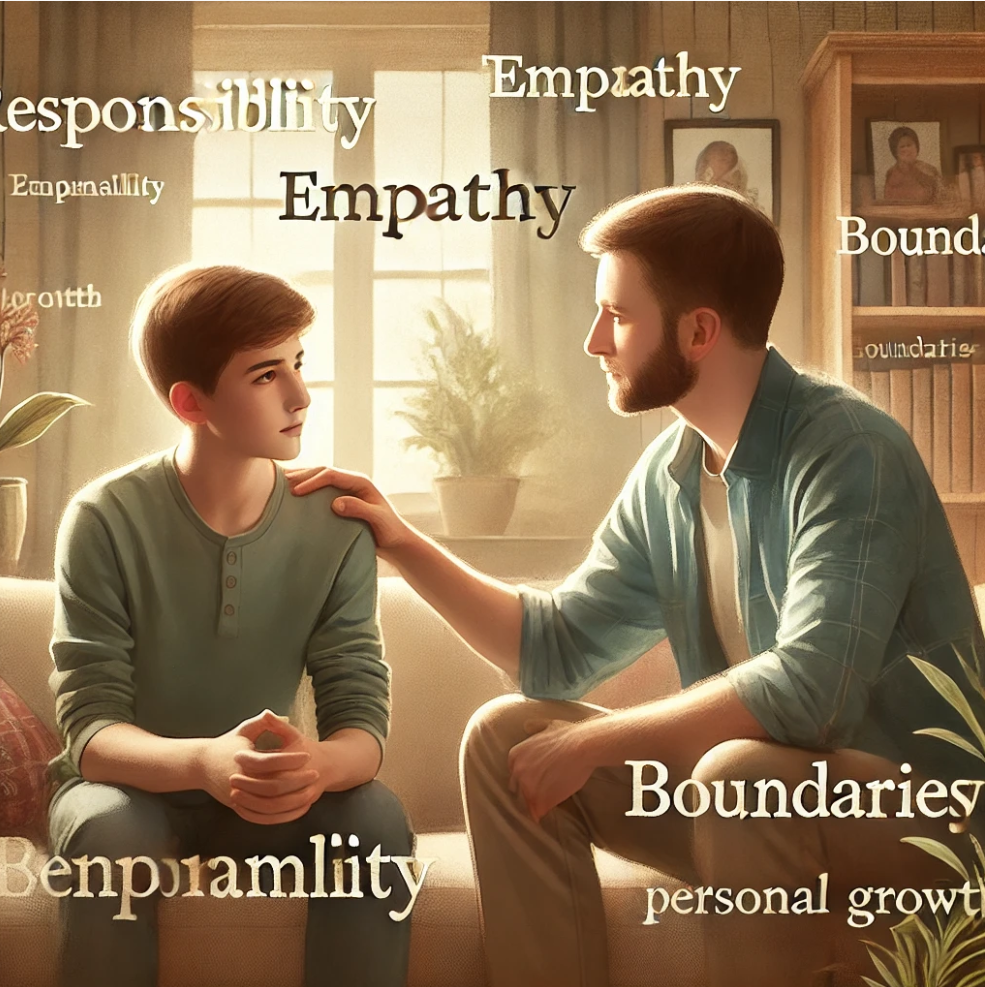
Parents often encounter behavior in their teenagers that feels entitled—expecting special treatment, assuming privileges without effort, or displaying frustration when things don’t go their way. These behaviors can be confusing and frustrating, especially when parents aim to raise respectful, independent, and resilient young adults. Understanding what “entitlement” truly means, why it arises during adolescence, and how to address it can help parents navigate this challenging aspect of development.

1. Defining Entitlement in Teenagers

Entitlement is generally defined as an expectation of special treatment or privileges without reciprocal effort, responsibility, or appreciation. An “entitled” teenager may assume that their needs should come first, express frustration when they don’t get what they want, or expect rewards for minimal effort. This mindset can lead to struggles in relationships, academic settings, and future work environments if not addressed (Twenge & Campbell, 2009).

However, it’s important to distinguish normal adolescent self-focus from true entitlement. Adolescence is a time when teens are naturally centered on themselves as they explore their identities and seek independence. This phase of self-centeredness doesn’t always equal entitlement but can appear that way if certain behaviors aren’t balanced with empathy, responsibility, and appreciation.

2. Why Does Entitlement Develop in Teenagers?

Several factors contribute to the development of entitlement in teenagers, including societal influences, parenting styles, and the natural developmental processes of adolescence. Recognizing these influences can help parents understand the root causes and address entitlement more effectively.

A. Brain Development and the Adolescent Mindset

During the teenage years, the brain undergoes significant changes, particularly in areas responsible for impulse control and emotional regulation. This makes teens more focused on their immediate needs and desires, which can amplify entitled behaviors (Blakemore, 2018). Teens’ developing brains make it harder for them to weigh long-term consequences, so they may seek instant gratification and resist responsibility or hard work (Siegel, 2013).

B. Influence of Consumer Culture and Social Media

Teenagers are constantly exposed to social media and advertising that promotes instant gratification, materialism, and a “have-it-all” mentality. These messages can reinforce a sense of entitlement by suggesting that everyone deserves the latest trend, special treatment, or success without much effort (APA, 2019). Social media can also create unrealistic comparisons, making teens feel entitled to lifestyles or privileges similar to those they see online (Pew Research Center, 2018).

C. Parenting Styles and Overprotection

Overly permissive or “helicopter” parenting can unintentionally foster entitlement. When parents shield teens from responsibility or clear obstacles in their path, teens may begin to assume that life should always go smoothly and that they deserve special accommodations (Lythcott-Haims, 2015). While parental support is vital, balancing it with appropriate expectations and responsibilities is key to avoiding entitled attitudes.

3. Signs of Entitlement in Teenagers

Recognizing entitlement in teens can sometimes be tricky, as it may overlap with normal adolescent behaviors. However, certain patterns can indicate entitlement:

  • Lack of Appreciation: They rarely express gratitude or acknowledge the efforts others make on their behalf.
  • Avoiding Responsibilities: They expect privileges without putting in the required effort or fulfilling responsibilities, like household chores or academic work.
  • Resistance to “No”: They struggle to handle denial, setbacks, or limitations, often reacting with frustration or defiance.
  • Sense of Deserving Special Treatment: They expect special accommodations or assume they should receive rewards for minimal effort (Twenge & Campbell, 2009).

These behaviors can often lead to frustration and conflict within the family, as well as difficulties in other social settings, if left unchecked.

4. Addressing and Reducing Entitlement in Teens

Addressing entitlement doesn’t mean stripping teens of their independence or denying them privileges. Instead, it involves setting healthy boundaries, encouraging gratitude, and fostering resilience. Here are some practical strategies:

A. Teach Responsibility Through Consequences

It’s essential to allow teens to experience the natural consequences of their actions. When they make a mistake or avoid responsibilities, allow them to feel the results rather than rescuing them. This helps them understand that privileges and rewards are earned, not automatically granted (Kobliner, 2017).

B. Encourage Empathy and Perspective-Taking

Help your teen understand how their actions impact others by encouraging empathy. Discuss scenarios where they consider others’ perspectives, whether it’s the effort parents put into providing for them or the responsibilities their peers manage. Empathy-building exercises can shift their focus from self-centered expectations to a more balanced view of relationships and responsibilities (Gottman & DeClaire, 1998).

C. Model and Encourage Gratitude

Practicing gratitude has been shown to reduce entitlement and promote well-being. Encourage your teen to regularly acknowledge things they’re thankful for, whether through a gratitude journal or family discussions. When teens recognize what they have, they’re less likely to expect special treatment (Emmons, 2007).

D. Promote a “Growth Mindset”

Carol Dweck’s concept of a “growth mindset” encourages teens to value effort, learning, and resilience rather than expecting instant success or rewards. Emphasize the importance of persistence and improvement rather than immediate outcomes. This helps teens shift their focus from entitlement to personal growth and responsibility (Dweck, 2006).

E. Set Boundaries Around Privileges

Provide structure around privileges by connecting them to responsibilities. For instance, allow certain privileges only when chores, schoolwork, or other tasks are completed. Explain that privileges are not guaranteed but are earned through responsible behavior. This creates a sense of accountability and helps teens see the link between effort and reward (Kobliner, 2017).

5. Understanding Entitlement as a Phase, Not a Personality

It’s important to remember that entitlement in teens is often a temporary phase rather than a permanent personality trait. As teens grow and gain real-world experiences, many naturally outgrow entitlement, developing a greater sense of empathy, gratitude, and responsibility. With consistent guidance, you can support this growth and help them develop into resilient, respectful adults (Siegel, 2013).

Conclusion: Fostering Respect and Responsibility in Place of Entitlement

Navigating entitlement in teenagers can be challenging, but it’s possible to guide them toward a healthier outlook with understanding and the right strategies. By teaching responsibility, modeling gratitude, and promoting empathy, parents can help teens balance their needs with an appreciation for others. Recognizing that entitlement is often a developmental phase can help parents approach the issue with patience, knowing that with guidance, their teen can grow into a more self-aware and considerate young adult.

This article has been written by John S. Collier, MSW, LCSW. Mr. Collier has over 25 years of experience in the social work field and is based in London Kentucky through Southeast Kentucky Behavioral Health, LLC. Mr. Collier may be reached by phone at (606) 657–0532 extension 101 or by email at john@sekybh.com.

References

  • American Psychological Association. (2019). The Effects of Social Media on Children and Adolescents. APA.
  • Blakemore, S. J. (2018). Inventing Ourselves: The Secret Life of the Teenage Brain. PublicAffairs.
  • Dweck, C. S. (2006). Mindset: The New Psychology of Success. Random House.
  • Emmons, R. A. (2007). Thanks! How Practicing Gratitude Can Make You Happier. Houghton Mifflin.
  • Gottman, J., & DeClaire, J. (1998). Raising an Emotionally Intelligent Child. Simon & Schuster.
  • Kobliner, B. (2017). Make Your Kid a Money Genius (Even If You’re Not). Simon & Schuster.
  • Lythcott-Haims, J. (2015). How to Raise an Adult: Break Free of the Overparenting Trap and Prepare Your Kid for Success. Henry Holt and Company.
  • Pew Research Center. (2018). Teens, Social Media & Technology 2018. Pew Research Center.
  • Siegel, D. J. (2013). Brainstorm: The Power and Purpose of the Teenage Brain. TarcherPerigee.
  • Twenge, J. M., & Campbell, W. K. (2009). The Narcissism Epidemic: Living in the Age of Entitlement. Free Press.