WELCOME
Are There Different Kinds of Trauma?

Trauma is often spoken about as a single experience, yet psychological research and clinical practice show that trauma is not one-size-fits-all. Individuals may experience different types of trauma, each with distinct causes, symptom patterns, and treatment considerations. Understanding these differences is essential for accurate assessment, compassionate care, and effective intervention.

What Is Trauma?

Trauma refers to an emotional, psychological, or physiological response to an event (or series of events) that is perceived as deeply distressing or threatening. According to the DSM-5-TR, trauma typically involves exposure to actual or threatened death, serious injury, or sexual violence, either directly, indirectly, or through repeated exposure (APA, 2022). However, clinicians also recognize that trauma can arise from experiences that overwhelm an individual’s capacity to cope, even if they fall outside strict diagnostic definitions.

Major Categories of Trauma

1. Acute Trauma

Acute trauma results from a single, time-limited event such as:

Car accidents Natural disasters Assault Sudden medical emergencies

Common reactions may include shock, anxiety, intrusive memories, sleep disturbance, and hypervigilance (Bryant, 2019).

2. Chronic Trauma

Chronic trauma involves repeated and prolonged exposure to distressing events, including:

Ongoing domestic violence Long-term child abuse Persistent bullying Living in unsafe environments

Chronic trauma often leads to more complex emotional and relational difficulties due to sustained stress activation (Courtois & Ford, 2013).

3. Complex Trauma

Complex trauma typically arises from multiple, interpersonal, and invasive traumatic experiences, often during childhood. Examples include:

Emotional, physical, or sexual abuse Severe neglect Attachment disruptions

Complex trauma is associated with difficulties in emotional regulation, self-identity, trust, and interpersonal functioning (van der Kolk, 2005).

4. Developmental Trauma

Developmental trauma refers to trauma that occurs during critical developmental stages, affecting brain development, attachment, and emotional regulation. Early adversity can alter stress-response systems and cognitive functioning (Teicher & Samson, 2016).

5. Secondary (Vicarious) Trauma

Secondary trauma affects individuals who are indirectly exposed to traumatic material, such as:

Therapists First responders Healthcare professionals Caregivers

Repeated exposure to others’ trauma can produce symptoms similar to PTSD (Figley, 1995).

6. Historical / Intergenerational Trauma

Historical trauma describes the cumulative emotional harm across generations, often linked to systemic oppression, colonization, war, or cultural displacement (Brave Heart, 2003).

7. Collective Trauma

Collective trauma impacts entire communities or societies, such as during:

Pandemics Terrorist attacks Wars Large-scale disasters

These events disrupt social stability and shared sense of safety (Erikson, 1976).

Trauma Can Also Differ by Source

Trauma may vary depending on the nature of the event:

Interpersonal trauma (abuse, assault, betrayal) Medical trauma (invasive procedures, life-threatening diagnoses) Combat trauma Sexual trauma Grief-related trauma

Each source may shape how symptoms emerge and how treatment is approached.

Why Distinguishing Trauma Types Matters

Different trauma experiences may produce overlapping yet distinct effects:

Domain Affected

Possible Impact

Emotional

Anxiety, depression, mood swings

Cognitive

Intrusive thoughts, memory problems

Physiological

Sleep disruption, hyperarousal

Relational

Trust issues, attachment difficulties

Behavioral

Avoidance, substance use

For example, acute trauma may produce short-term stress reactions, while complex trauma may contribute to long-standing difficulties with identity, boundaries, and emotional regulation (Cloitre et al., 2019).

Healing and Treatment Implications

Effective trauma treatment often includes:

Trauma-focused CBT EMDR Somatic therapies Attachment-based approaches Psychoeducation Nervous system regulation

Treatment planning should consider type, duration, developmental timing, and individual resilience factors (SAMHSA, 2014).

Conclusion

Yes — there are different kinds of trauma, and recognizing these distinctions helps clinicians, caregivers, and individuals better understand the wide range of trauma responses. Trauma is defined not only by the event itself but by how it affects the mind, body, and sense of safety. With appropriate support and evidence-based care, recovery is possible.

About the Author

John S. Collier, MSW, LCSW, is a behavioral health therapist and clinical professional dedicated to helping individuals understand emotional distress, trauma, and pathways to healing. His work focuses on translating psychological concepts into practical, compassionate guidance for everyday life.

References

American Psychiatric Association. (2022). Diagnostic and Statistical Manual of Mental Disorders (5th ed., text rev.; DSM-5-TR).

Brave Heart, M. Y. H. (2003). The historical trauma response among natives. Journal of Psychoactive Drugs, 35(1), 7–13.

Bryant, R. A. (2019). Acute stress disorder. Current Opinion in Psychology, 29, 127–131.

Cloitre, M., et al. (2019). Complex PTSD and emotion regulation. European Journal of Psychotraumatology, 10(1).

Courtois, C. A., & Ford, J. D. (2013). Treatment of Complex Trauma. Guilford Press.

Erikson, K. (1976). Everything in Its Path. Simon & Schuster.

Figley, C. R. (1995). Compassion fatigue. Brunner/Mazel.

SAMHSA. (2014). Trauma-Informed Care in Behavioral Health Services.

Teicher, M. H., & Samson, J. A. (2016). Annual research review: Enduring neurobiological effects of childhood abuse. Journal of Child Psychology and Psychiatry, 57(3), 241–266.

van der Kolk, B. A. (2005). Developmental trauma disorder. Psychiatric Annals, 35(5), 401–408
How Trauma Changes the Brain: What You Need to Know

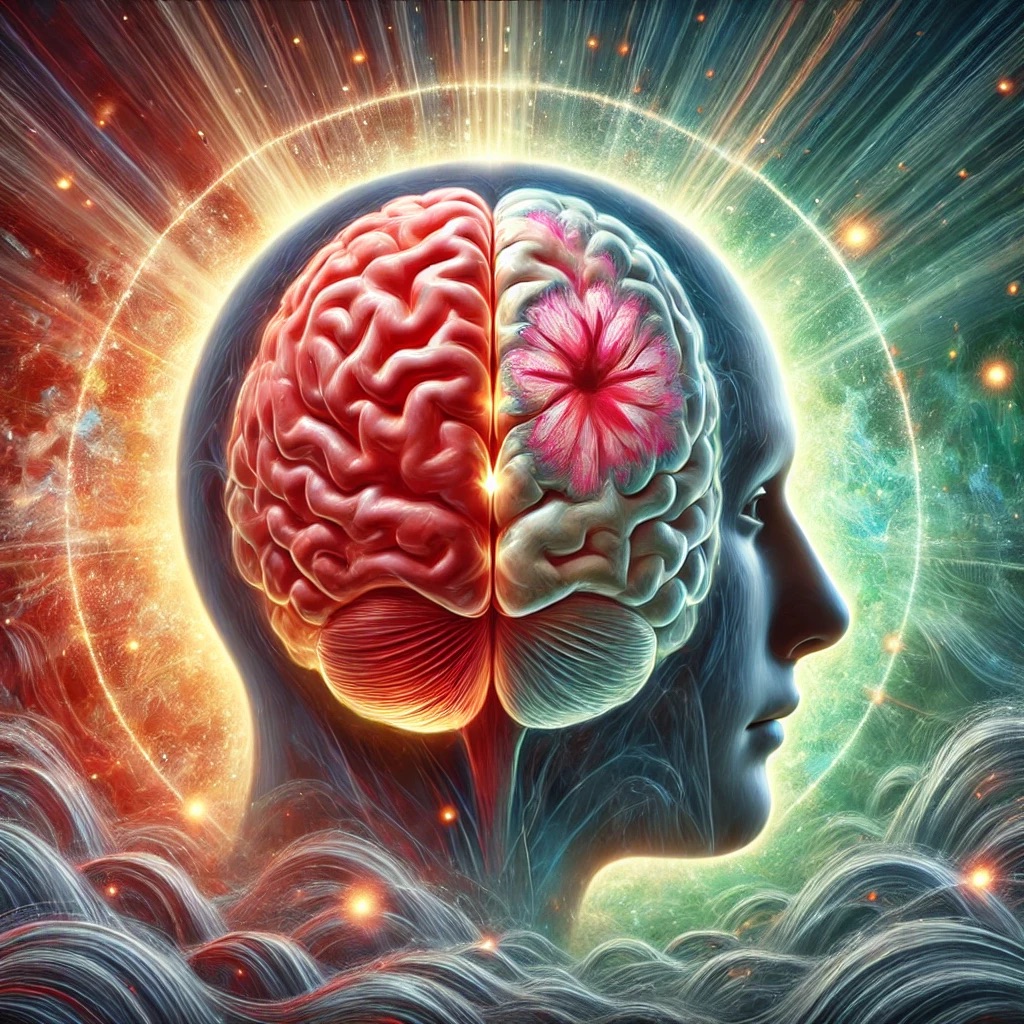
Trauma, whether it’s from a physical injury or an emotional experience, can have a lasting impact on the brain. Thanks to research in neuroscience, we now know that trauma doesn’t just affect how we feel—it actually changes how the brain works. Understanding these changes can help us see why trauma has such powerful effects and how recovery is possible.

What Happens to the Brain During Trauma?

When you go through a traumatic event, your brain switches into “survival mode.” This is controlled by something called the stress response system, which prepares your body to deal with danger. You may have heard of the “fight, flight, or freeze” response. This is when stress hormones like cortisol and adrenaline flood your body, helping you react quickly to protect yourself.

This response is helpful in the short term, like when you need to escape danger. But if trauma is ongoing, or if your brain keeps thinking you’re in danger even after the threat is gone, this stress response can do more harm than good.

How Trauma Changes the Brain

Trauma can change how different parts of the brain work and even how they look. Here are the three key areas affected:

1. The Amygdala: The Alarm System

The amygdala is the part of your brain that helps detect threats and process emotions like fear. After trauma, the amygdala can become overactive, making you feel on edge or jumpy even when you’re safe. This is why people who’ve experienced trauma often feel anxious or have trouble calming down.

2. The Prefrontal Cortex: The Decision Maker

The prefrontal cortex is like the brain’s “control center.” It helps you think logically, make decisions, and calm down after a stressful event. Trauma can make this part of the brain less active, which means it’s harder to think clearly, control your emotions, or feel in control of your reactions.

3. The Hippocampus: The Memory Keeper

The hippocampus is responsible for organizing memories and distinguishing between the past and the present. Trauma can make the hippocampus shrink, which is why some people have trouble remembering details of the trauma or feel like they’re reliving it (flashbacks), even when it’s over.

Why Do These Changes Matter?

The changes in the brain after trauma explain many of the symptoms people experience, such as:

• Flashbacks or nightmares: The brain struggles to tell the difference between past and present, so it feels like the trauma is happening again.

• Anxiety or hypervigilance: The overactive amygdala keeps you constantly on the lookout for danger.

• Difficulty focusing or making decisions: A less active prefrontal cortex makes it harder to think clearly.

These changes also show why trauma doesn’t just “go away” on its own—your brain needs time and support to heal.

Can the Brain Heal After Trauma?

The good news is that the brain is adaptable. This ability to change and heal is called neuroplasticity. With the right support, the brain can recover from the effects of trauma. Here’s how:

1. Therapy: Treatments like trauma-focused cognitive behavioral therapy (CBT) and eye movement desensitization and reprocessing (EMDR) can help “rewire” the brain and reduce symptoms.

2. Mindfulness and relaxation techniques: Practices like meditation can help calm the amygdala and strengthen the prefrontal cortex.

3. Exercise: Physical activity can increase the size of the hippocampus and improve mood by releasing feel-good chemicals like endorphins.

Trauma changes the brain, but these changes don’t have to be permanent. Understanding how trauma affects the brain can help us be more compassionate toward ourselves and others who are struggling. With the right tools and support, healing is not only possible—it’s likely.

This article has been written by John S. Collier, MSW, LCSW. Mr. Collier has over 25 years experience in the social work field. He currently serves as the executive director in outpatient behavioral health therapist at Southeast Kentucky Behavioral health based out of London Kentucky. He may be reached by phone at 606-657-0532 extension 101 or by email at john@sckybh.com

References

• Shin, L. M., Rauch, S. L., & Pitman, R. K. (2006). Amygdala, medial prefrontal cortex, and hippocampal function in PTSD. Annals of the New York Academy of Sciences, 1071(1), 67-79.

• Bremner, J. D. (2006). Traumatic stress: Effects on the brain. Dialogues in Clinical Neuroscience, 8(4), 445-461.

• van der Kolk, B. A. (2014). The Body Keeps the Score: Brain, Mind, and Body in the Healing of Trauma.

Post-Traumatic Stress Disorder in Soldiers: Understanding, Effects, and Treatment

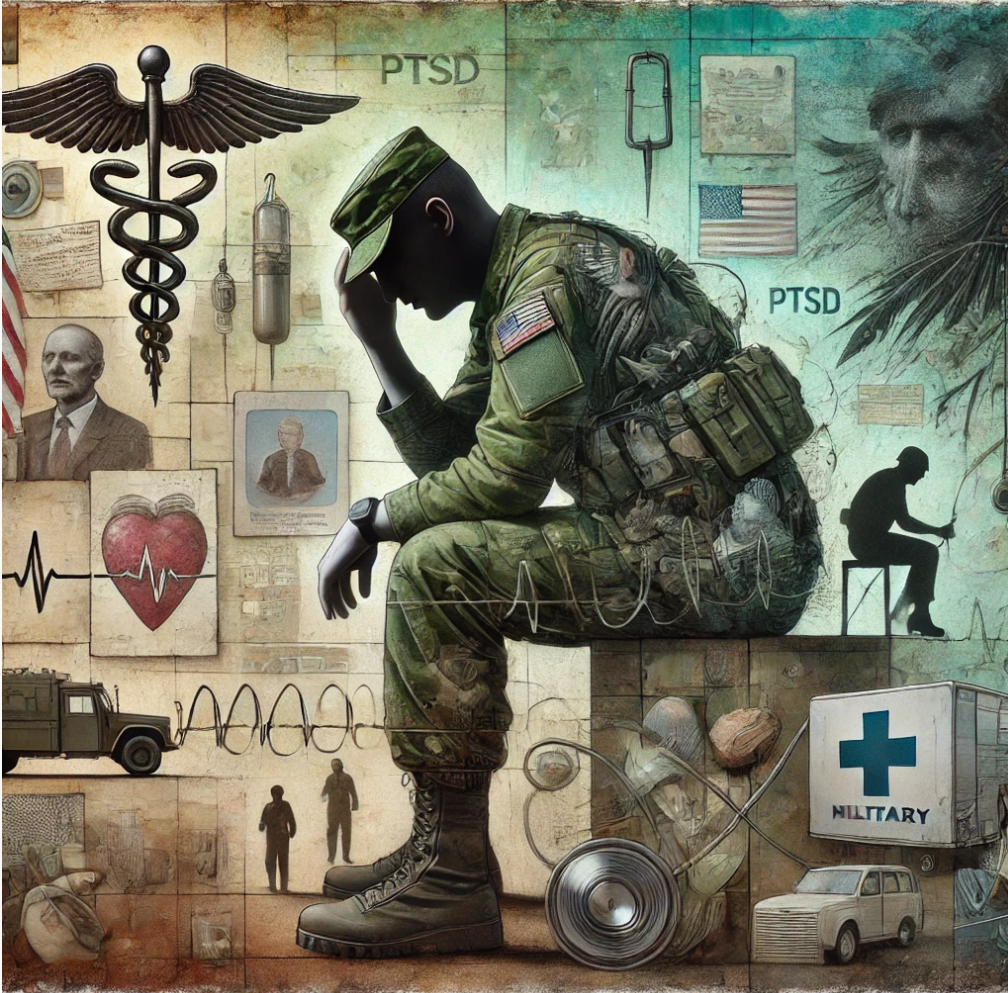
Post-Traumatic Stress Disorder (PTSD) is a mental health condition that has long affected soldiers and military personnel, often impacting their lives in profound ways. According to the U.S. Department of Veterans Affairs, up to 20% of veterans who served in Iraq and Afghanistan experience PTSD, underscoring the prevalence of this condition among soldiers who endure the harsh realities of combat and warfare. This article explores the causes, symptoms, and effects of PTSD in soldiers, examines various treatment options, and discusses emerging approaches to care.

Causes of PTSD in Soldiers

PTSD is generally triggered by exposure to traumatic events. For soldiers, combat is a primary source of trauma, involving life-threatening situations, witnessing injury or death, and enduring extreme physical and emotional stress. Studies have found that prolonged and repeated exposure to combat conditions increases the risk of PTSD, particularly if soldiers are subjected to high levels of intensity and frequency of traumatic events (American Psychological Association, 2020). Further risk factors include military rank, training, and support systems, with enlisted personnel and those lacking robust support networks being more vulnerable (Gradus, 2023).

The severity of PTSD symptoms often varies based on the intensity and nature of the traumatic events experienced. For instance, individuals who encounter close combat situations or who witness the death of comrades are more likely to develop severe PTSD symptoms (Hoge et al., 2004).

Symptoms of PTSD in Soldiers

PTSD symptoms are generally grouped into four categories:

  1. Intrusive Thoughts: Soldiers with PTSD often experience unwanted, distressing memories or flashbacks of traumatic events, causing them to relive the traumatic moment repeatedly.
  2. Avoidance: Avoiding situations, people, or places that remind the individual of the trauma is a common coping mechanism. Soldiers might withdraw from social settings or avoid seeking help.
  3. Negative Changes in Thought and Mood: Symptoms may include persistent negative emotions, distorted beliefs about oneself or others, and a feeling of detachment from family and friends.
  4. Hyperarousal and Reactivity: PTSD often causes soldiers to experience heightened anxiety, irritability, or hypervigilance. They may have difficulty sleeping and feel constantly on edge (National Institute of Mental Health, 2021).

In military contexts, PTSD can lead to significant challenges in social and family relationships, making reintegration into civilian life difficult. Soldiers may experience guilt over actions taken or not taken in combat, known as moral injury, which exacerbates the symptoms of PTSD (Litz et al., 2009).

Effects of PTSD on Soldiers’ Lives

PTSD can have a severe impact on veterans’ physical, mental, and emotional well-being, with potential long-term consequences that affect not only the individual but also their families and communities. Some of the major effects include:

  • Depression and Anxiety: Soldiers with PTSD often experience comorbid depression and anxiety, which can further complicate their recovery. The stress and trauma they face in combat environments have lasting effects that increase susceptibility to these conditions.
  • Substance Abuse: To cope with symptoms, many veterans turn to alcohol or drugs, which often results in dependency issues. Research has shown that PTSD and substance use disorders are closely linked in military populations, with soldiers attempting to self-medicate to alleviate PTSD symptoms (Seal et al., 2011).
  • Suicidal Ideation and Attempts: PTSD is a significant risk factor for suicide among veterans, with some studies indicating that the risk of suicide is higher among those with PTSD than the general population (Kang et al., 2015).
  • Difficulties in Employment and Social Reintegration: Veterans with PTSD may struggle to find and maintain stable employment due to symptoms such as hyperarousal, anxiety, and avoidance, impacting their social and economic well-being. Reintegration challenges, compounded by stigmatization of mental health issues, further isolate veterans from support systems that could aid in their recovery.

Treatment Options for PTSD in Soldiers

A wide range of treatment options is available for soldiers with PTSD. The goal of these treatments is not only to alleviate symptoms but to enable veterans to lead fulfilling lives after service. Treatments can be broadly categorized into:

  1. Psychotherapy: Psychotherapy, particularly Cognitive Behavioral Therapy (CBT) and Eye Movement Desensitization and Reprocessing (EMDR), are among the most effective treatments for PTSD. CBT helps patients process and alter their trauma-related thoughts and behaviors, while EMDR helps in processing traumatic memories by stimulating the brain’s natural healing process (Watkins et al., 2018).
  2. Pharmacotherapy: Antidepressants like selective serotonin reuptake inhibitors (SSRIs) are commonly prescribed for PTSD, as they help manage symptoms of anxiety and depression. Medication, however, is often used alongside psychotherapy rather than as a standalone treatment (VA/DoD Clinical Practice Guideline, 2017).
  3. Group Therapy and Support Groups: These provide veterans with a community that understands their experiences, fostering a support system that can help them cope with the effects of trauma. Research indicates that group therapy is particularly beneficial for soldiers, as it promotes shared understanding and mutual support (Browne et al., 2016).
  4. Emerging Treatments: New therapies, such as virtual reality exposure therapy (VRET) and MDMA-assisted psychotherapy, have shown promising results. VRET immerses patients in a controlled, simulated environment to help them confront and process traumatic experiences. MDMA-assisted therapy, under clinical investigation, has demonstrated significant reductions in PTSD symptoms in early trials (Mithoefer et al., 2018).

Challenges in Addressing PTSD in Military Contexts

Despite available treatments, several challenges remain in addressing PTSD among soldiers. A significant barrier is stigma—many military personnel fear seeking help for PTSD due to concerns about appearing weak or unfit for duty. Additionally, the military structure can sometimes be resistant to mental health care initiatives, emphasizing resilience and self-reliance over seeking assistance. Efforts are ongoing to destigmatize PTSD and encourage open discussions about mental health in military settings (Hoge et al., 2004).

Accessibility of mental health services is another issue. Many veterans live in rural areas with limited access to specialized PTSD treatments. Telemedicine has been identified as a potential solution, offering remote therapy sessions that improve access for veterans in underserved areas (Rosen et al., 2017).

Conclusion

PTSD remains a significant mental health concern for soldiers, with far-reaching impacts on individuals, families, and communities. The military context poses unique challenges for both the onset and treatment of PTSD, underscoring the need for continued research, awareness, and innovation in treatment options. By addressing stigma and improving access to mental health care, society can better support veterans in managing PTSD and lead them toward healthier, more fulfilling lives post-service.

This article was written by John S. Collier, MSW, LCSW. Mr. Collier has over 25 years of experience in the Social Work field. He currently serves as the Executive Director and Outpatient provider for Southeast Kentucky Behavioral Health based out of London Kentucky. He may be reached at (606) 657-0532 extension 101 or by email at john@sekybh.com

References

  • American Psychological Association. (2020). PTSD and the Military. Retrieved from APA.org.
  • Gradus, J. (2023). PTSD in Military Veterans. VA National Center for PTSD. Retrieved from PTSD.va.gov.
  • Hoge, C. W., et al. (2004). Combat Duty in Iraq and Afghanistan, Mental Health Problems, and Barriers to Care. The New England Journal of Medicine, 351(1), 13-22.
  • Kang, H. K., et al. (2015). Association of PTSD with increased suicide risk among veterans. Journal of Military Medicine, 180(9), 982-989.
  • Litz, B. T., et al. (2009). Moral injury and moral repair in war veterans: A preliminary model and intervention strategy. Clinical Psychology Review, 29(8), 695-706.
  • Mithoefer, M. C., et al. (2018). MDMA-assisted psychotherapy for PTSD: A breakthrough therapy. Journal of Psychopharmacology, 32(1), 4-12.
  • National Institute of Mental Health. (2021). Post-Traumatic Stress Disorder. Retrieved from NIMH.nih.gov.
  • Rosen, C. S., et al. (2017). Telemedicine for PTSD: A review of clinical evidence and practice. Telemedicine and e-Health, 23(3), 192-202.
  • Seal, K. H., et al. (2011). Substance use disorders in Iraq and Afghanistan veterans. Journal of Addiction Medicine, 5(1), 5-10.
  • VA/DoD Clinical Practice Guideline. (2017). Management of Post-Traumatic Stress Disorder and Acute Stress Reaction. Department of Veterans Affairs.
Understanding PTSD: A Quick Overview

Post-Traumatic Stress Disorder (PTSD) is a mental health condition triggered by experiencing or witnessing a traumatic event. People with PTSD may relive the trauma through flashbacks or nightmares, experience severe anxiety, and have uncontrollable thoughts about the event. Common symptoms include, but may not be limited to:

  • Re-experiencing: Flashbacks or distressing memories
  • Avoidance: Steering clear of reminders of the trauma
  • Hyperarousal: Constantly feeling on edge or easily startled
  • Negative mood changes: Guilt, detachment, or a feeling of hopelessness

PTSD affects people differently and can develop immediately after a trauma or months—even years—later. Treatment options, such as therapy and medication, are highly effective in managing symptoms. If you or someone you know may be struggling with PTSD, reaching out for support is a crucial step toward healing.

For more Detailed information on PTSD, click here.