Welcome to SOUTHEAST KENTUCKY BEHAVIORAL HEALTH
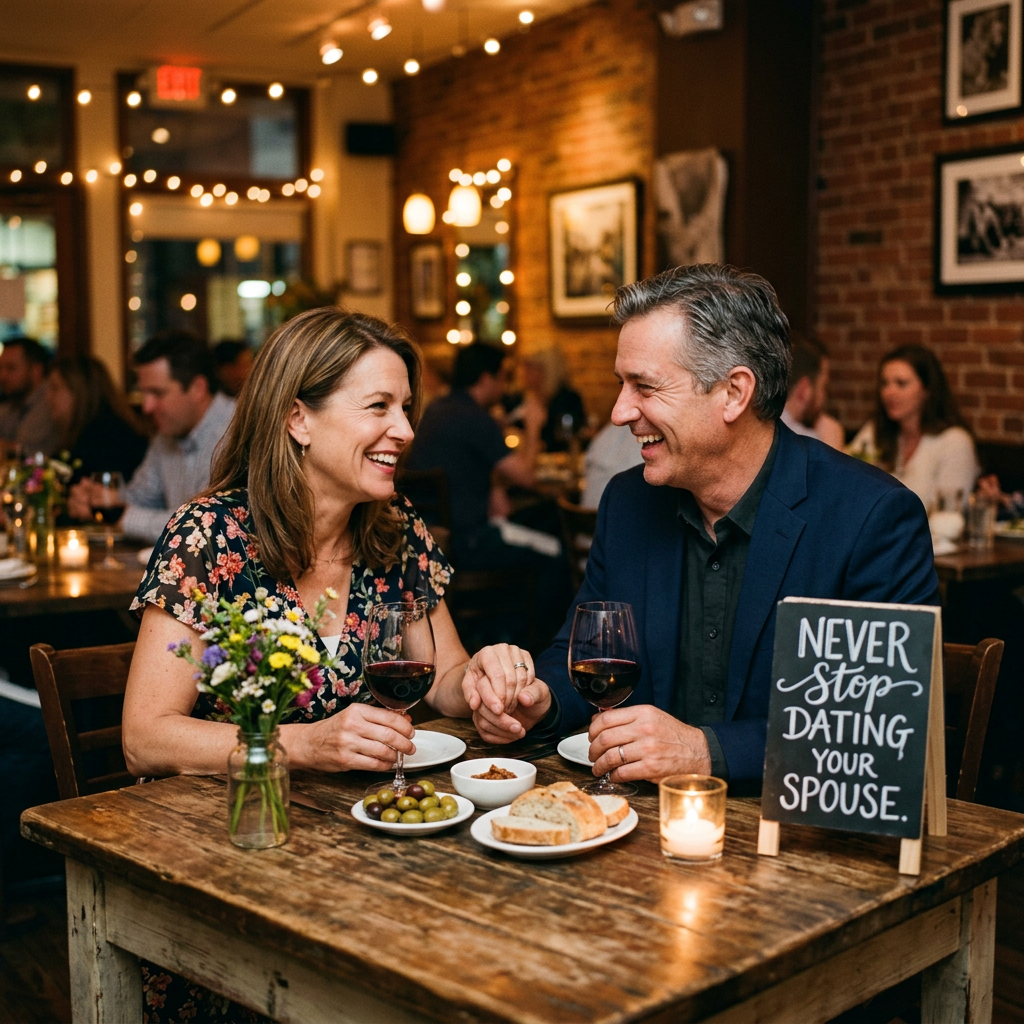
Couple laughing over wine at a restaurant beside sign reading “NEVER STOP DATING YOUR SPOUSE.”
Dating Your Spouse: Why the Best Marriages Never Stop Dating

Many couples spend months planning a wedding but very little time planning a marriage. At the beginning of a relationship, people work hard to connect. They make plans, have meaningful conversations, laugh together, and look forward to spending time with one another.

Then life happens.

Work becomes demanding. Children need attention. Bills need to be paid. Household responsibilities pile up. Without realizing it, many couples begin spending more time managing life than nurturing their relationship. The truth is simple:

A healthy marriage requires ongoing attention, not just a wedding day commitment.

Research suggests that couples who regularly spend intentional one-on-one time together report greater relationship satisfaction, stronger commitment, better communication, and increased marital happiness. [nationalma…roject.org], [wheatley.byu.edu], [nationalma…roject.org]


Why Dating Should Continue After Marriage

Many couples unknowingly stop doing the things that helped them fall in love. While dating, they often:

  • Prioritize time together
  • Ask questions
  • Share experiences
  • Laugh frequently
  • Show appreciation
  • Engage in meaningful conversations

After marriage, many people assume these things will naturally continue. Unfortunately, that rarely happens without intentional effort. Marriage does not automatically create connection. Connection is created through shared experiences and quality time.

The habits that helped you fall in love are often the same habits that help you stay in love.


📦 Key Takeaway

Your spouse should not receive the least intentional version of you simply because they received the most permanent commitment from you.


Date Nights Strengthen Marriages

Research from the National Marriage Project found that couples who regularly participate in date nights report significantly higher levels of marital happiness and commitment than couples who rarely spend dedicated time together. [nationalma…roject.org], [nationalma…roject.org]

The report found that spouses who regularly went on date nights were more likely to report:

Dating your spouse is not about spending money. It is about investing time. Sometimes the most meaningful date is simply sitting on a porch together, enjoying a cup of coffee, and having an uninterrupted conversation.


📦 Important Reminder

Connection grows where attention goes.

If a marriage consistently receives leftover time, it often produces leftover results.


Dating Builds Emotional Intimacy

One of the biggest threats to marriage is not conflict. It is emotional distance. According to relationship researchers at the Gottman Institute, successful couples intentionally “turn toward” one another during everyday interactions, creating a stronger emotional connection over time. [gottman.com], [gottman.com]

Dating creates opportunities to:

  • Discuss goals
  • Share concerns
  • Celebrate successes
  • Talk about dreams
  • Strengthen trust
  • Maintain emotional closeness

Couples who regularly spend quality time together often feel more understood, appreciated, and connected.

“The strongest marriages are often built one conversation at a time.”


Dating Keeps Friendship Alive

Many relationship experts have observed that friendship forms the foundation of lasting marriages. [gottman.com], [gottman.com]

Your spouse is constantly growing and changing.

  • Their interests change.
  • Their goals change.
  • Their fears change.
  • Their dreams change.

Dating helps you continue learning about the person you married. Ask yourself:

  • What is my spouse currently excited about?
  • What challenge is my spouse facing?
  • What goal is my spouse working toward?
  • What would make my spouse feel supported this week?

The answers to these questions create connection.


📦 Marriage Challenge

Schedule one dedicated date with your spouse during the next seven days. Put it on the calendar and protect that time as seriously as any other important appointment.


Dating Demonstrates Value

Time is one of the most valuable gifts that exists. When you intentionally spend time with your spouse, you communicate several important messages:

  • You matter to me.
  • I enjoy being with you.
  • Our relationship is important.
  • I want us to stay connected.
  • You are a priority in my life.

People often feel most loved when they feel seen, heard, and valued. Dating provides opportunities to communicate all three.


Simple Date Ideas for Married Couples

Dating does not require expensive vacations or elaborate plans. Consider:

  • Taking a walk together
  • Going out for coffee
  • Watching a sunset
  • Cooking a meal together
  • Visiting a local bookstore
  • Having a picnic
  • Taking a scenic drive
  • Exploring a nearby town
  • Playing a board game
  • Attending a community event

The goal is not entertainment. The goal is connection.


The Example It Sets for Children

When children witness healthy affection, respect, communication, and quality time between parents, they learn important lessons about relationships. Parents who prioritize their marriage are not taking away from their children. Instead, they are demonstrating:

  • Healthy communication
  • Mutual respect
  • Commitment
  • Affection
  • Emotional support

Children benefit from seeing what a healthy relationship looks like.


Conclusion

Marriage was never meant to run on autopilot. It thrives when two people continue choosing one another over and over again. The wedding day is not the finish line. It is the starting line. Dating your spouse creates opportunities to maintain friendship, strengthen intimacy, improve communication, and build memories together. These moments do not have to be extravagant. They simply need to be intentional. The strongest marriages are often built through thousands of small moments where spouses say through their actions:

“I still choose you.”

Never stop pursuing the person you promised to love.


About the Author

John S. Collier, MSW, LCSW-S is a Licensed Clinical Social Worker Supervisor and the Executive Director of Southeast Kentucky Behavioral Health, LLC. With extensive experience in behavioral health, trauma-informed care, child and adolescent mental health, family systems, and organizational leadership, Mr. Collier has dedicated his career to helping children, adolescents, adults, and families navigate life’s challenges while building healthier and more resilient communities.

Throughout his clinical career, Mr. Collier has worked with children and adolescents experiencing emotional and behavioral difficulties, including anxiety, depression, trauma-related disorders, attention-deficit/hyperactivity disorder (ADHD), oppositional behaviors, anger management concerns, and family relationship challenges. His approach emphasizes understanding the underlying causes of behavior rather than focusing solely on symptoms, helping families develop practical strategies that strengthen communication, emotional regulation, and healthy relationships.

As a clinical supervisor, educator, and advocate for quality behavioral healthcare, Mr. Collier is committed to translating complex psychological and developmental concepts into practical guidance that parents and caregivers can readily understand and implement. His work reflects a belief that informed, supported, and empowered families play a critical role in promoting positive outcomes for children and adolescents.

In addition to his clinical practice and leadership responsibilities, Mr. Collier is the author of The Mind’s Trestle Board, where he regularly writes about mental health, personal growth, resilience, grief, family relationships, child development, and behavioral health topics. His writing combines evidence-based research with real-world clinical experience to provide readers with meaningful insights and actionable strategies.

Through his work, Mr. Collier continues to advocate for compassionate, person-centered care while helping individuals and families build the skills necessary to thrive through life.


References

Dew, J., & Wilcox, W. B. (2023). The Date Night Opportunity: What Does Couple Time Tell Us About the Potential Value of Date Nights? National Marriage Project. [nationalma…roject.org], [nationalma…roject.org]

Gottman, J. M., & Gottman, J. S. (2024). Relationship Resources for Couples. The Gottman Institute. [gottman.com], [gottman.com]

Stanley, S. M., Rhoades, G. K., & Markman, H. J. (2006). Sliding Versus Deciding: Inertia and the Premarital Cohabitation Effect. Family Relations, 55(4), 499-509.

Hawkins, A. J., Blanchard, V. L., Baldwin, S. A., & Fawcett, E. B. (2008). Does Marriage and Relationship Education Work? Journal of Consulting and Clinical Psychology, 76(5), 723-734.

Nielsen, L. (2017). The Power of Us: The Path to Discovering the Best Relationship You. Tyndale House Publishers.

Wilcox, W. B., & Dew, J. (2023). The Date Night Opportunity Report. Wheatley Institute. [wheatley.byu.edu], [wheatley.byu.edu]


What Does It Mean to Love Your Wife?

Loving one’s wife is a fundamental aspect of a strong and enduring marriage. It extends beyond mere words or fleeting emotions and is demonstrated through actions, commitment, and intentional effort. The concept of love within marriage has been explored in psychological, philosophical, and religious contexts, with varying interpretations of how love is best expressed. This article examines what it means to love one’s wife, drawing on research from psychology, relationship counseling, and philosophy.

Understanding Love in Marriage

Love in marriage is multidimensional, encompassing emotional, intellectual, and physical connections. Sternberg’s Triangular Theory of Love (1986) identifies three core components of love: intimacy, passion, and commitment (Sternberg, 1986). A balanced marriage integrates these elements, fostering a deep and fulfilling relationship.

  1. Intimacy – This involves deep emotional closeness, vulnerability, and a sense of connection. It is built through trust, empathy, and consistent communication (Gottman & Silver, 2015).
  2. Passion – Passion entails romantic attraction and physical affection. While it may fluctuate over time, intentional efforts to nurture attraction and express love physically are vital (Hatfield & Walster, 1978).
  3. Commitment – A long-term decision to prioritize the well-being and happiness of one’s spouse despite life’s challenges. This aspect of love is what sustains a relationship through difficulties (Stanley, 2005).

Demonstrating Love in Practical Ways

To truly love one’s wife means translating emotional affection into meaningful actions. Here are several key ways to do so:

1. Practicing Emotional Attunement :

Loving one’s wife requires actively listening and responding to her emotional needs. Dr. John Gottman, a renowned relationship expert, emphasizes the importance of turning toward one’s partner instead of away when discussing emotions (Gottman & Silver, 2015). This means being present, validating her feelings, and offering support rather than dismissing concerns.

2. Acts of Service and Sacrifice

Love often involves selflessness. Gary Chapman’s Five Love Languages (1992) identifies acts of service as a key way many individuals feel loved. Helping with household responsibilities, supporting her goals, and prioritizing her well-being are clear demonstrations of love.

3. Communicating Affection and Appreciation

Verbal affirmations, such as expressing gratitude and admiration, strengthen emotional intimacy (Chapman, 1992). Simple words of encouragement and affirmation, such as “I appreciate you” or “I love you,” reinforce a strong emotional bond.

4. Prioritizing Quality Time

Spending intentional time together, without distractions, cultivates closeness. Studies suggest that couples who engage in shared activities and date nights experience greater relationship satisfaction (Ogolsky, 2020).

5. Nurturing Physical and Romantic Connection

Physical intimacy, including affectionate gestures like holding hands, hugging, and maintaining a fulfilling sex life, plays a crucial role in sustaining a healthy marriage (Hatfield & Rapson, 1993). Physical touch is a powerful way to communicate love and security.

6. Supporting Her Growth and Well-Being

Loving one’s wife includes supporting her personal and professional aspirations. Encouraging her ambitions and well-being contributes to her happiness and strengthens the partnership (Aron et al., 2000).

7. Remaining Loyal and Trustworthy

Trust is the foundation of love. Maintaining honesty, faithfulness, and integrity in words and actions fosters a secure and lasting marriage (Stanley, 2005).

Loving one’s wife is an active and lifelong commitment. It requires effort, intentionality, and a deep understanding of her emotional and relational needs. By practicing emotional attunement, expressing love through actions, and prioritizing the relationship, a husband can create a marriage that thrives on deep, enduring love.

John S. Collier, MSW, LCSW, is a licensed clinical social worker based in London, Kentucky. With years of experience in behavioral health therapy, he specializes in relationship counseling, trauma-informed care, and family dynamics. Mr. Collier has worked extensively with couples, helping them build stronger emotional connections and develop healthy communication patterns. His expertise in marriage counseling is grounded in evidence-based therapeutic approaches, drawing from attachment theory, cognitive-behavioral therapy, and mindfulness practices. Passionate about strengthening relationships, John continues to provide guidance and support to individuals and couples navigating the complexities of love, commitment, and emotional well-being.

References

  • Aron, A., Aron, E. N., Tudor, M., & Nelson, G. (2000). Close relationships as including other in the self. Journal of Personality and Social Psychology, 78(4), 599-612.
  • Chapman, G. (1992). The Five Love Languages: How to Express Heartfelt Commitment to Your Mate. Northfield Publishing.
  • Gottman, J. M., & Silver, N. (2015). The Seven Principles for Making Marriage Work. Harmony.
  • Hatfield, E., & Rapson, R. L. (1993). Love, Sex, and Intimacy: Their Psychology, Biology, and History. HarperCollins.
  • Hatfield, E., & Walster, G. W. (1978). A New Look at Love. University Press of America.
  • Ogolsky, B. G. (2020). The Science of Couple and Family Relationships. Routledge.
  • Stanley, S. M. (2005). The Power of Commitment: A Guide to Active, Lifelong Love. Jossey-Bass.
  • Sternberg, R. J. (1986). A triangular theory of love. Psychological Review, 93(2), 119-135.

Can Someone Change Their Love Language?

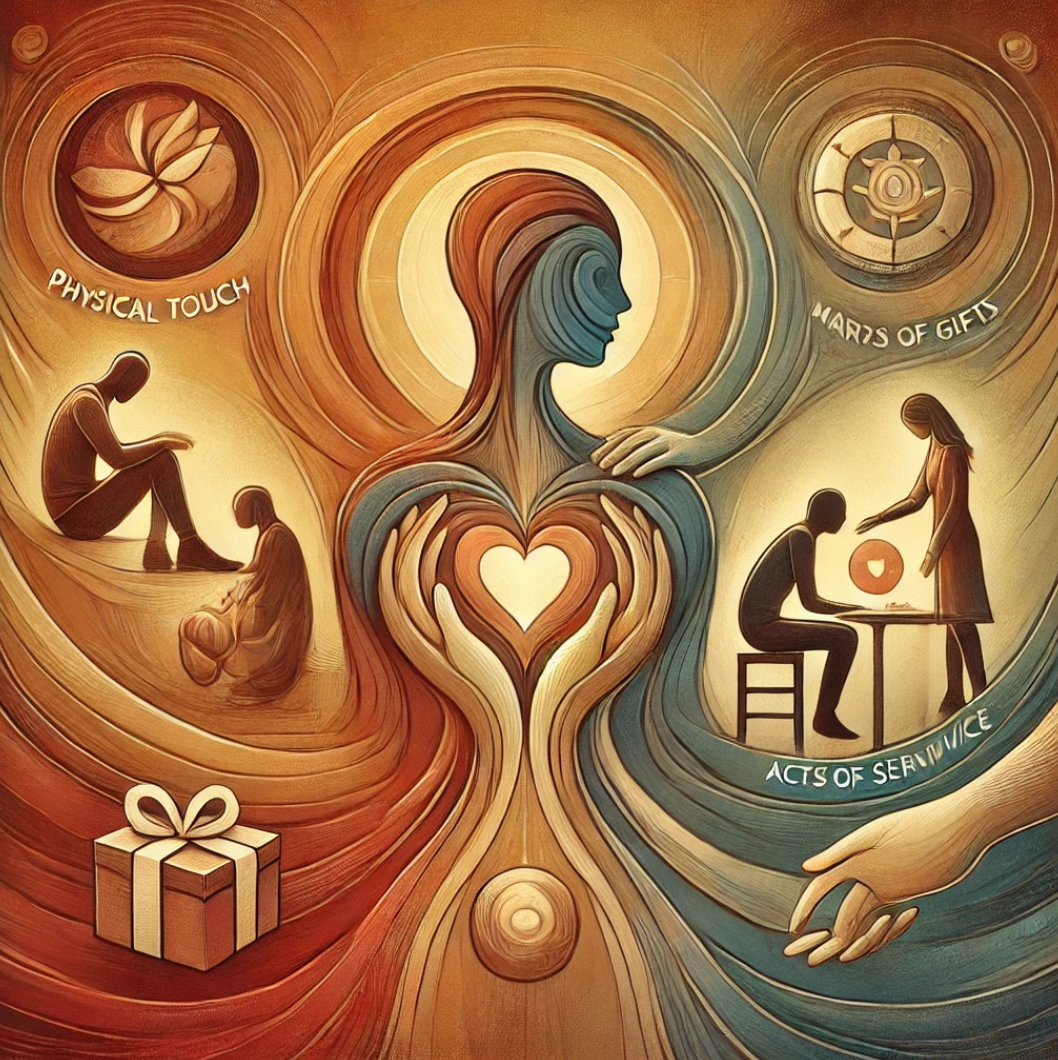
The concept of love languages was introduced by Dr. Gary Chapman in his 1992 book “The Five Love Languages: How to Express Heartfelt Commitment to Your Mate.” Chapman’s theory posits that people express and experience love in one of five primary ways: Words of Affirmation, Acts of Service, Receiving Gifts, Quality Time, and Physical Touch. These love languages help individuals and couples better understand each other’s emotional needs. A common question that arises is whether love languages are static or if they can change over time. In fact, research and anecdotal evidence suggest that a person’s love language can shift due to a variety of factors.

Understanding Love Languages

Chapman’s theory emphasizes that every individual has a primary love language—one that resonates the most in making them feel loved and appreciated. However, it’s important to recognize that love languages are not rigid personality traits but dynamic preferences that can evolve. According to Dr. Chapman, love languages are shaped by upbringing, cultural influences, and past experiences, but they are also adaptable as we navigate through life changes.

Can Love Languages Change?

Several factors can lead to shifts in a person’s love language over time:

  1. Life Transitions and Circumstances
    Major life events such as marriage, parenthood, career changes, or even personal crises can lead to a shift in how individuals prioritize love languages. For instance, someone whose primary love language used to be Words of Affirmation may find themselves valuing Acts of Service after becoming a parent. The practical help offered by a partner during stressful periods may feel like the most profound expression of love. Research suggests that significant life events and environmental contexts can shift what people value most in relationships (Neff & Karney, 2009).
  2. Changes in Relationship Dynamics
    As relationships evolve, partners may learn to express love in new ways or find new ways of feeling loved. A study by Horan & Booth-Butterfield (2013) found that partners in long-term relationships tend to adapt their communication styles and emotional expressions over time. In such cases, love languages can shift in response to changing relationship dynamics. For example, a person who previously valued Receiving Gifts may, over time, begin to prioritize Quality Time if the relationship has grown emotionally distant.
  3. Personal Growth and Emotional Maturity
    Emotional and psychological development can also influence a person’s love language. People evolve, and their emotional needs do too. An individual who has gone through therapy, for instance, may become more comfortable with Physical Touch after working through issues related to intimacy. Similarly, someone who has gained confidence or self-assurance might find that they now crave Words of Affirmation less than before. Research on emotional intelligence highlights that as people become more emotionally mature, their ways of connecting with others evolve (Schutte et al., 2001).

Adaptability and Communication in Relationships

It’s essential to note that just because a person’s love language may change doesn’t mean that love languages are irrelevant or overly fluid. The primary purpose of love languages is to enhance communication in relationships, and as such, being attuned to these shifts is crucial. When individuals notice their love language or their partner’s has changed, open communication is key to ensuring that both partners feel supported and loved.

According to Chapman (2010), couples should regularly check in with one another about their emotional needs, as this allows them to adapt and accommodate shifts in love languages. It’s not uncommon for couples to experience a shift in the ways they express love, especially as they mature and face new challenges together.

Conclusion

While a person’s love language may feel like an integral part of their identity, it’s clear that love languages can change over time. Whether influenced by life circumstances, relationship dynamics, or personal growth, individuals may find their emotional needs evolving. This is a natural part of human development. The key to sustaining healthy relationships lies in the ability to recognize and adapt to these changes through ongoing communication and mutual understanding.

This article has been written by John S. Collier, MSW, LCSW. John has over 25 years experience in the Social Work Field. He currently serves as the Executive Director and Provider within Southeast Kentucky Behavioral Health based out of London Kentucky. He may be reached at (606) 657-0532 extension 101 or by email at john@sekybh.com.

References

Chapman, G. (1992). The Five Love Languages: How to Express Heartfelt Commitment to Your Mate. Northfield Publishing.
Chapman, G. (2010). The Five Love Languages: The Secret to Love That Lasts. Northfield Publishing.
Horan, S. M., & Booth-Butterfield, M. (2013). Understanding the Communicative Aspects of Love: Interpersonal Communication in Romantic Relationships. Communication Quarterly, 61(5), 552-567.
Neff, L. A., & Karney, B. R. (2009). Stress and Reappraisal of Marital Interactions. Journal of Personality and Social Psychology, 97(3), 561–576.
Schutte, N. S., Malouff, J. M., Simunek, M., McKenley, J., & Hollander, S. (2001). Characteristic Emotional Intelligence and Emotional Well-Being. Cognition & Emotion, 16(6), 769-785.