WELCOME
When Love Stays After Betrayal: The Difficult Path of the Faithful Partner

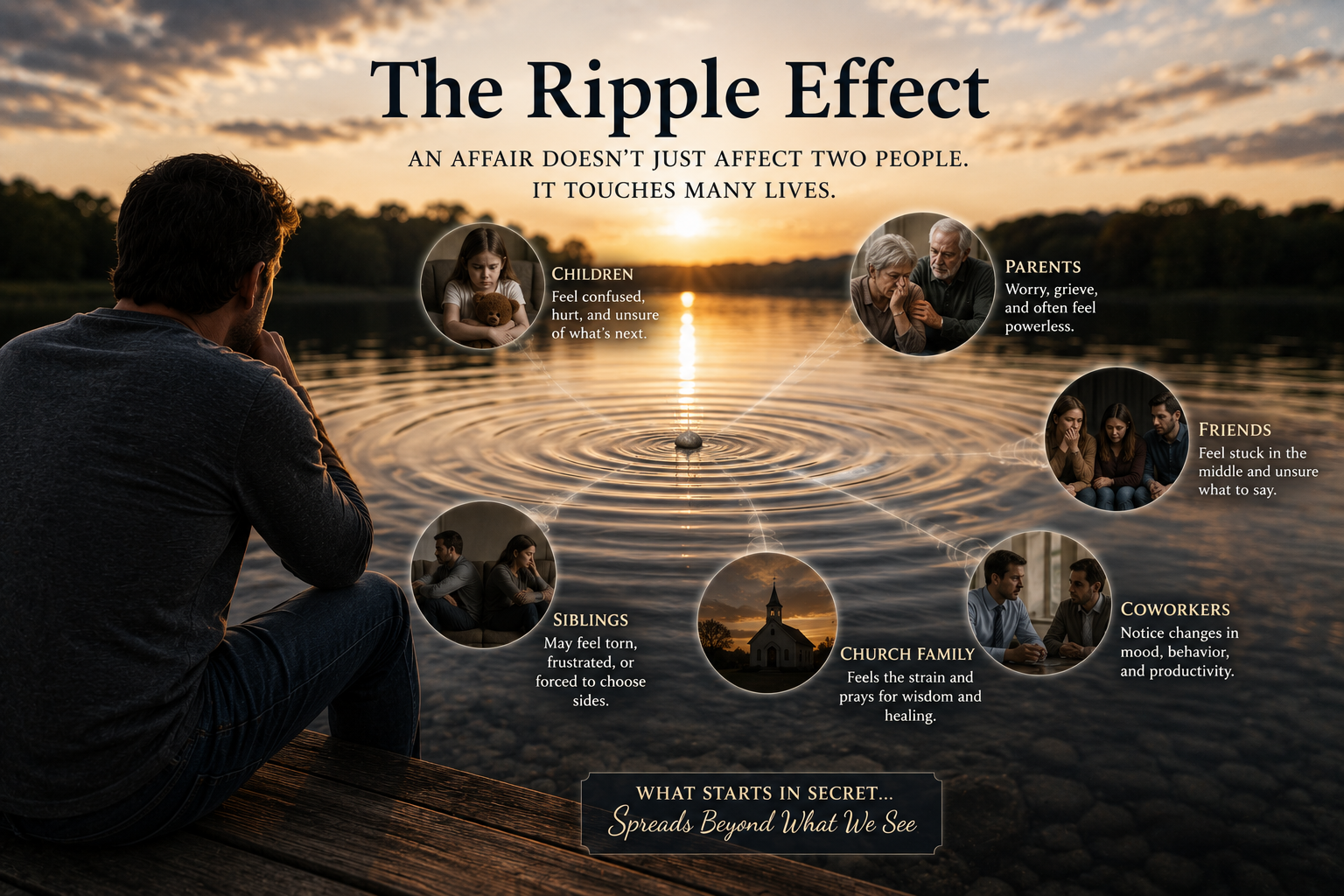
Infidelity is one of the most painful experiences a person can endure in a romantic relationship. For many couples, the discovery of an affair leads to separation or divorce. However, some couples decide to remain together and attempt to rebuild the relationship. While this decision can reflect commitment, hope, and a desire for healing, the faithful partner often faces an incredibly difficult emotional journey. Rebuilding trust after betrayal requires confronting deep wounds, navigating intense emotional turmoil, and learning how to redefine the relationship moving forward.

The Shock of Betrayal

When a partner discovers infidelity, the initial reaction is often shock. The faithful partner may struggle to reconcile the person they believed they knew with the actions that caused such deep harm. Psychologists describe this reaction as betrayal trauma, a psychological response that occurs when someone we depend on for emotional security violates that trust (Freyd, 1996).

The faithful partner may replay memories in their mind, wondering when the betrayal began, whether warning signs were missed, or whether certain moments were lies. Even seemingly small details—texts, late nights at work, unexplained absences—can take on new meaning in hindsight.

This stage often includes feelings such as:

disbelief anger humiliation sadness confusion anxiety about the future

Even if the unfaithful partner expresses remorse and commits to repairing the relationship, the emotional damage does not disappear overnight.

The Loss of Trust

Trust is one of the foundational pillars of a healthy relationship. When infidelity occurs, that pillar can collapse almost instantly. According to relationship researcher John Gottman, trust functions as the emotional safety net that allows couples to feel secure with one another. Once broken, it requires significant effort and time to rebuild.

For the faithful partner, daily life can become filled with uncertainty. Questions that never existed before begin to arise:

Where are they really going? Who are they texting? Are they telling the truth now? Could this happen again?

This constant questioning can lead to hypervigilance. The faithful partner may check phones, question schedules, or feel anxious whenever their partner is unavailable. These behaviors are often not about control but about a desperate attempt to restore a sense of safety.

Emotional Rollercoasters

Healing after infidelity rarely follows a straight line. Instead, the faithful partner often experiences emotional swings that can feel overwhelming.

One day they may feel hopeful and willing to work on the relationship. The next day, memories of the betrayal may resurface and bring waves of anger or grief.

Common emotional responses include:

intrusive thoughts about the affair sudden triggers connected to the betrayal feelings of inadequacy or self-doubt resentment toward the unfaithful partner fear of being hurt again

These emotional cycles are normal responses to betrayal. Research shows that individuals recovering from infidelity often experience symptoms similar to post-traumatic stress, including rumination and emotional triggers (Gordon, Baucom, & Snyder, 2004).

The Struggle With Self-Worth

One of the most painful consequences of infidelity is how it can affect the faithful partner’s sense of self-worth. Many individuals begin to question their own value, wondering if they were somehow not “enough.”

Questions such as these often arise:

Was I not attractive enough? Did I fail as a partner? Why did they choose someone else?

These thoughts can be deeply damaging. In reality, infidelity is usually connected to the choices, emotional struggles, or boundaries of the unfaithful partner rather than deficiencies in the faithful partner (Glass, 2003). However, the emotional impact can still lead the faithful partner to internalize blame.

Learning to separate personal worth from a partner’s actions is a crucial part of healing.

The Burden of Forgiveness

When a couple decides to stay together after infidelity, the faithful partner often carries the difficult responsibility of deciding whether forgiveness is possible. Forgiveness does not mean forgetting the betrayal or pretending it never happened. Instead, it involves gradually releasing the hold that the betrayal has over one’s emotions.

This process can take months or even years. True forgiveness requires several conditions:

genuine remorse from the unfaithful partner transparency and honesty moving forward consistent behavioral change patience during the healing process

Without these elements, forgiveness can feel forced or incomplete.

Rebuilding the Relationship

If the couple continues working toward reconciliation, the relationship must often be rebuilt from the ground up. In many ways, the old relationship—the one that existed before the affair—no longer exists.

Instead, the couple must create something new.

Rebuilding may involve:

honest conversations about the betrayal couples counseling establishing new boundaries increased emotional transparency consistent accountability

The faithful partner must slowly observe whether the unfaithful partner’s actions match their words. Over time, consistent honesty and reliability can help restore a sense of safety.

Living With Lingering Scars

Even when relationships successfully recover from infidelity, the experience often leaves emotional scars. Certain dates, locations, or memories may always carry reminders of the betrayal.

However, scars are not the same as open wounds. With time, communication, and genuine effort from both partners, many couples find that healing is possible.

For the faithful partner, the journey involves learning to trust again—not only their partner, but also themselves. They must learn that their value was never defined by someone else’s betrayal.

Conclusion

When a partner chooses to stay after infidelity, they embark on one of the most emotionally challenging paths a relationship can face. The faithful partner must navigate pain, rebuild trust, confront self-doubt, and determine whether forgiveness is possible.

Yet within this difficult process lies the possibility of growth. Some couples emerge with deeper communication, stronger emotional awareness, and a renewed commitment to honesty.

Healing from betrayal is not easy. It requires patience, vulnerability, and courage. But for those willing to face the pain and rebuild together, reconciliation can become not just an attempt to save a relationship—but an opportunity to transform it.

About the Author

John S. Collier, MSW, LCSW is a behavioral health therapist and writer from London, Kentucky. With years of experience working with individuals, couples, and families, he focuses on helping people navigate relationship struggles, trauma, emotional healing, and personal growth. His writing combines clinical insight with practical guidance to help readers better understand the complexities of human relationships and emotional resilience.

References

Freyd, J. J. (1996). Betrayal Trauma: The Logic of Forgetting Childhood Abuse. Harvard University Press.

Glass, S. (2003). Not “Just Friends”: Rebuilding Trust and Recovering Your Sanity After Infidelity. Free Press.

Gordon, K. C., Baucom, D. H., & Snyder, D. K. (2004). An integrative intervention for promoting recovery from extramarital affairs. Journal of Marital and Family Therapy, 30(2), 213–231.

Gottman, J. M., & Silver, N. (2015). The Seven Principles for Making Marriage Work. Harmony Books.

Staying on the Same Page as Parents: Why Unity Matters in Raising Children

Introduction

Parenting is one of the most rewarding—and challenging—responsibilities a person can experience. Children rely on their caregivers for guidance, structure, and emotional security. When parents remain unified in their approach to parenting, children tend to feel safer and develop stronger emotional regulation and behavioral patterns. However, when parents frequently disagree in front of their children or undermine each other’s decisions, confusion and instability can result.

Staying “on the same page” as parents does not mean that couples must agree on every decision. Instead, it means maintaining respectful communication, supporting one another in front of the children, and working together to create a consistent environment where expectations are clear and stable. Research consistently shows that parental unity is strongly associated with better behavioral outcomes and emotional well-being in children (Feinberg, 2003; McHale & Lindahl, 2011).

The Importance of Parental Unity

Children thrive on consistency. When parents share similar expectations regarding discipline, routines, and values, children know what to expect and are less likely to test boundaries excessively.

Parental unity contributes to several important developmental outcomes:

Emotional security – Children feel safer when caregivers work together. Behavioral consistency – Rules and expectations are clearer. Reduced anxiety – Children do not feel caught between competing authority figures. Improved respect for authority – Children learn that rules are stable and dependable.

According to family systems theory, the parental relationship forms the central leadership structure of the household. When that structure becomes inconsistent or conflicted, children may unconsciously attempt to exploit the division or may develop anxiety about family stability (Minuchin, 1974).

When Parents Are Not on the Same Page

Disagreements between parents are natural and expected. However, problems arise when these disagreements are expressed in ways that undermine authority or create division in the home.

Common examples include:

One parent saying “yes” while the other says “no.” A parent reversing discipline in front of the child. Criticizing the other parent’s decisions openly. Allowing children to “shop” for the answer they want.

When this pattern becomes routine, children may learn to manipulate situations by approaching the parent most likely to give the desired answer. Over time, this can weaken parental authority and create increased conflict within the family.

Research on coparenting relationships indicates that inconsistent parenting between caregivers is associated with increased behavioral problems, including defiance and emotional dysregulation in children (Feinberg, 2003).

The Role of Communication Between Parents

Strong parenting partnerships rely on communication. Parents who regularly discuss expectations, discipline strategies, and family values are more likely to maintain consistency.

Healthy communication practices include:

Private discussions about disagreements – Address parenting differences away from children. Planning ahead – Discuss expectations before situations arise. Supporting each other publicly – Even if you disagree privately. Checking in regularly – Parenting challenges evolve as children grow.

Couples who practice collaborative problem-solving tend to experience less parenting-related stress and greater relationship satisfaction (McHale & Lindahl, 2011).

Creating a Shared Parenting Strategy

Parents do not have to share identical personalities or parenting styles to remain unified. Instead, they should develop shared principles that guide their decisions.

Helpful strategies include:

Agree on core values. Identify what matters most: respect, responsibility, honesty, kindness, or faith. Establish clear rules and boundaries. Children should know what behaviors are acceptable and what consequences follow. Discuss discipline approaches. Consistency in consequences helps children understand accountability. Hold regular parenting conversations. Brief weekly discussions can help parents stay aligned. Present a united front. Even if adjustments are needed later, parents should avoid contradicting one another in front of children.

These strategies help create a stable structure within the home, which is crucial for healthy emotional development.

When Disagreements Occur

Even strong parenting partnerships encounter disagreements. What matters most is how those disagreements are handled.

Healthy approaches include:

Listening to each other’s perspective Looking for compromise Focusing on the child’s best interests Avoiding personal attacks Seeking outside guidance if needed

Family therapists often emphasize that disagreement itself is not harmful to children—unresolved conflict and hostility are what cause the greatest stress (Gottman & Gottman, 2015).

Conclusion

Parenting is a partnership that requires cooperation, patience, and intentional communication. When parents remain on the same page, they create a home environment built on stability, trust, and mutual respect. Children benefit greatly from this unity, developing stronger emotional security and clearer behavioral expectations.

While disagreements will naturally arise, parents who prioritize collaboration and respectful communication can navigate those challenges effectively. By working together and supporting one another’s role, parents strengthen not only their parenting relationship but also the foundation of the family itself.

About the Author

John S. Collier, MSW, LCSW, is a licensed clinical social worker and behavioral health professional based in Kentucky. He has extensive experience working with families, children, and individuals facing emotional and relational challenges. Through his clinical work and writing, Collier focuses on helping families build healthier communication patterns, strengthen relationships, and create supportive environments where both parents and children can thrive.

References

Feinberg, M. E. (2003). The internal structure and ecological context of coparenting: A framework for research and intervention. Parenting: Science and Practice, 3(2), 95–131.

Gottman, J., & Gottman, J. (2015). 10 Principles for Doing Effective Couples Therapy. W.W. Norton & Company.

McHale, J., & Lindahl, K. (2011). Coparenting: A conceptual and clinical examination of family systems. American Psychological Association.

Minuchin, S. (1974). Families and Family Therapy. Harvard University Press.

How Couples Can Avoid Pushing Each Other Away: Building Emotional Safety and Lasting Connection

Emotional distance in marriage rarely begins with dramatic betrayal. It usually grows through small, repeated moments of misunderstanding, criticism, avoidance, or neglect. The good news is that distance is preventable—and often reversible.

Research in relationship science consistently shows that strong marriages are not built on perfection, but on emotional responsiveness, respect, and repair. Couples who intentionally practice healthy relational habits dramatically reduce their risk of drifting apart.

Here is what the research—and clinical experience—tells us couples can do to protect their connection.

1. Replace Criticism with Gentle Start-Ups

Dr. John Gottman found that how a conversation begins often determines how it ends. Harsh start-ups (blame, accusation, sarcasm) predict escalation, while gentle start-ups predict resolution (Gottman & Silver, 1999).

Instead of:

“You never help around here.”

Try:

“I’ve been feeling overwhelmed. Could we figure out a better way to divide things?”

The difference is tone and ownership. Speak about your feelings and needs rather than attacking your partner’s character.

2. Practice Emotional Validation

According to Sue Johnson, emotional responsiveness is the core of secure attachment in marriage (Johnson, 2008). Validation does not mean agreement—it means understanding.

Validation sounds like:

“I can see why that hurt you.” “That makes sense.” “Help me understand more.”

When couples feel heard, defensiveness decreases and closeness increases.

3. Maintain a Strong Positive-to-Negative Ratio

Longitudinal research shows that stable marriages maintain approximately a 5:1 ratio of positive to negative interactions (Gottman, 1994).

Positive interactions include:

Expressing appreciation Small acts of kindness Physical affection Humor Encouragement

These daily deposits build relational resilience. When conflict arises, the emotional bank account has reserves.

4. Express Appreciation Frequently

Gratitude strengthens relational bonds. Studies show that expressed appreciation increases connection and pro-relationship behavior (Algoe, Gable, & Maisel, 2010).

Do not assume your partner “just knows.”

Say:

“Thank you for working so hard.” “I appreciate how you handled that.” “I’m grateful for you.”

Small affirmations create emotional security.

5. Stay Engaged During Conflict

Avoidance feels safer in the moment but damaging in the long term. Emotional withdrawal—also called stonewalling—creates loneliness inside marriage (Gottman & Silver, 1999).

Instead:

Take short breaks if overwhelmed Return to finish the conversation Focus on solving the issue, not winning

Conflict handled respectfully strengthens marriages.

6. Share the Mental and Emotional Load

Research on marital equity shows that perceived fairness increases satisfaction (Wilcox & Nock, 2006). Partnership matters deeply.

Couples should regularly ask:

“Do you feel supported?” “Is our division of responsibilities fair?” “What would make this feel more balanced?”

Marriage is not about rigid roles—it is about teamwork.

7. Protect Emotional and Physical Intimacy

Attachment research demonstrates that consistent affection and responsiveness create security (Mikulincer & Shaver, 2007).

Protect intimacy by:

Scheduling connection time Limiting screen distraction Offering non-sexual affection Talking about emotional needs

Connection requires intentionality.

8. Repair Quickly After Hurt

No marriage avoids mistakes. What predicts longevity is repair attempts—apologies, humor, reassurance, or physical affection that de-escalates tension (Gottman, 1994).

Say:

“I handled that poorly.” “I’m sorry.” “Can we reset?”

Repair prevents small wounds from becoming permanent fractures.

Conclusion

Couples avoid pushing each other away not by eliminating conflict—but by cultivating emotional safety. Gentle communication, validation, gratitude, partnership, engagement, affection, and repair are the protective factors that guard against distance.

Marriage is not sustained by feelings alone. It is sustained by habits.

When both partners intentionally choose responsiveness over reactivity and appreciation over criticism, connection deepens—and stays.

About the Author

John S. Collier, MSW, LCSW, is a behavioral health therapist based in Kentucky who works extensively with couples and families. With a clinical focus on attachment, emotional regulation, and relational dynamics, he integrates evidence-based research with practical strategies to help couples rebuild connection and strengthen emotional safety in marriage.

References

Algoe, S. B., Gable, S. L., & Maisel, N. C. (2010). It’s the little things: Everyday gratitude as a booster shot for romantic relationships. Personal Relationships, 17(2), 217–233.

Gottman, J. M. (1994). Why Marriages Succeed or Fail. New York: Simon & Schuster.

Gottman, J. M., & Silver, N. (1999). The Seven Principles for Making Marriage Work. New York: Crown.

Johnson, S. (2008). Hold Me Tight: Seven Conversations for a Lifetime of Love. New York: Little, Brown and Company.

Mikulincer, M., & Shaver, P. R. (2007). Attachment in Adulthood: Structure, Dynamics, and Change. New York: Guilford Press.

Wilcox, W. B., & Nock, S. L. (2006). What’s love got to do with it? Social Forces, 84(3), 1321–1345.

How a Husband Can Push His Wife Away: Understanding Relational Patterns That Create Distance

Emotional distance in marriage rarely appears overnight. More often, it develops gradually through repeated patterns that create insecurity, hurt, or loneliness. While responsibility in marriage is always shared, research in relationship science highlights specific behaviors that can unintentionally push a wife away.

Understanding these patterns is not about blame—it is about awareness and growth.

1. Emotional Unavailability

One of the strongest predictors of marital dissatisfaction for women is emotional disconnection. Dr. John Gottman identified “stonewalling”—emotional withdrawal during conflict—as one of the most destructive relational behaviors (Gottman & Silver, 1999).

Emotional unavailability may look like:

Shutting down during conversations Avoiding emotional topics Responding with minimal engagement Spending excessive time on work, hobbies, or screens to avoid connection

Attachment research shows that emotional responsiveness builds security, while repeated emotional withdrawal creates anxiety and loneliness (Mikulincer & Shaver, 2007). When a wife feels unseen or unheard, she may begin to disengage.

2. Dismissing Her Feelings

Many marital conflicts escalate not because of the problem itself—but because of how emotions are handled. When a husband minimizes or invalidates his wife’s feelings, it communicates that her inner world does not matter.

Examples include:

“You’re overreacting.” “It’s not that big of a deal.” “You’re too sensitive.”

Emotion-focused therapy research, particularly by Sue Johnson, emphasizes that emotional validation is central to marital bonding (Johnson, 2008). When feelings are dismissed repeatedly, emotional safety erodes.

3. Harshness or Contempt

Contempt—sarcasm, mockery, eye-rolling, name-calling—is the strongest predictor of divorce in longitudinal studies (Gottman, 1994). Contempt communicates superiority and disrespect.

Women often report that persistent harshness damages their sense of emotional security and relational trust. According to relationship research, respect and kindness are foundational to marital satisfaction (Baumeister & Leary, 1995).

When contempt becomes habitual, emotional withdrawal is almost inevitable.

4. Lack of Partnership in Daily Life

Research consistently shows that perceived fairness in household and parenting responsibilities strongly affects women’s marital satisfaction (Wilcox & Nock, 2006).

A husband may unintentionally push his wife away by:

Avoiding shared responsibilities Leaving the mental load entirely to her Withdrawing from parenting involvement Acting as a passive observer rather than a teammate

When partnership feels one-sided, resentment can build. Over time, emotional distance replaces connection.

5. Taking Her for Granted

Gratitude plays a powerful role in maintaining relationship satisfaction. Studies show that expressed appreciation increases closeness and strengthens bonds (Algoe, Gable, & Maisel, 2010).

When a husband:

Stops noticing her efforts Rarely expresses appreciation Assumes she “just knows” she is valued

She may begin to feel invisible.

Feeling unappreciated over time leads to emotional detachment.

6. Avoiding Conflict Instead of Resolving It

Some men avoid conflict believing it will preserve peace. However, unresolved issues often grow larger. Avoidance can feel like abandonment during emotionally charged moments.

Research shows that couples who engage in constructive conflict—rather than avoidance—have higher long-term satisfaction (Gottman, 1994).

Avoidance communicates:

“This isn’t important.” “You’re on your own with this.”

Repeated avoidance can create emotional isolation.

7. Inconsistent Affection or Intimacy

Emotional and physical intimacy are interconnected for many women. Sudden withdrawal of affection, physical closeness, or sexual connection—especially without communication—can trigger insecurity and confusion.

Attachment theory explains that consistent affection strengthens bonding, while unpredictability increases anxiety (Mikulincer & Shaver, 2007).

Intimacy is not only physical—it is relational presence.

Conclusion

Marriage thrives on emotional responsiveness, respect, partnership, appreciation, and consistent affection. When a husband becomes emotionally unavailable, dismissive, harsh, disengaged, ungrateful, conflict-avoidant, or inconsistent in affection, his wife may slowly withdraw.

This is not about assigning blame—but recognizing that relational habits shape emotional outcomes.

Healthy marriages are built intentionally. Emotional safety, partnership, and gratitude are not accidental; they are cultivated daily.

About the Author

John S. Collier, MSW, LCSW, is a behavioral health therapist and writer based in Kentucky. With extensive experience in relational dynamics and emotional regulation, he works with individuals and couples to strengthen communication, attachment security, and mutual respect. His work integrates research-based principles with practical strategies to promote healthier marriages and deeper emotional connection.

References

Algoe, S. B., Gable, S. L., & Maisel, N. C. (2010). It’s the little things: Everyday gratitude as a booster shot for romantic relationships. Personal Relationships, 17(2), 217–233.

Baumeister, R. F., & Leary, M. R. (1995). The need to belong: Desire for interpersonal attachments as a fundamental human motivation. Psychological Bulletin, 117(3), 497–529.

Gottman, J. M. (1994). Why Marriages Succeed or Fail. New York: Simon & Schuster.

Gottman, J. M., & Silver, N. (1999). The Seven Principles for Making Marriage Work. New York: Crown.

Johnson, S. (2008). Hold Me Tight: Seven Conversations for a Lifetime of Love. New York: Little, Brown and Company.

Mikulincer, M., & Shaver, P. R. (2007). Attachment in Adulthood: Structure, Dynamics, and Change. New York: Guilford Press.

Wilcox, W. B., & Nock, S. L. (2006). What’s love got to do with it? Social Forces, 84(3), 1321–1345.