Welcome to SOUTHEAST KENTUCKY BEHAVIORAL HEALTH
September 11: A Day of Remembrance, Gratitude, and Reflection

By John S. Collier, MSW, LCSW-S

Every generation has moments that become permanently etched into memory. For many Americans, September 11, 2001, is one of those moments. It is a day marked by sorrow, sacrifice, courage, and unity. Twenty-five years later, we still remember where we were, how we felt, and the profound impact that day had on our nation and the world.

On the morning of September 11, 2001, nineteen terrorists hijacked four commercial aircraft. Two planes were flown into the Twin Towers of the World Trade Center in New York City, one struck the Pentagon, and a fourth crashed in Pennsylvania after passengers courageously fought back against the hijackers. Nearly 3,000 people lost their lives in what remains the deadliest foreign attack on American soil. Yet while the events of that day revealed unimaginable evil, they also revealed something else: the remarkable strength of the human spirit.

We remember the firefighters who climbed stairwells while others were descending to safety. We remember the police officers who rushed toward danger. We remember emergency medical personnel, military members, volunteers, and ordinary citizens who placed the lives of strangers above their own. More than 2,000 police officers and nearly 1,000 firefighters responded to the World Trade Center attacks, joining countless others in rescue and recovery efforts. Their actions remind us that heroism is not always found in grand speeches or celebrated victories. Often, it is found in quiet acts of service, in selfless sacrifice, and in the willingness to help another human being despite personal risk.

For me, September 11 carries an additional significance. It is the day my son was born.

Over the years, people have often asked what it was like to welcome a child into the world on a day overshadowed by national tragedy. The answer is difficult to put into words. While television screens showed devastation, uncertainty, and heartbreak, I was also witnessing one of the most meaningful moments of my life. The contrast was profound. A day of collective grief became, for me, a day forever intertwined with the gift of new life.

As my son grew older, each birthday became more than a celebration. It became an opportunity to pause and remember. Before the cake is cut, before gifts are opened, before the laughter begins, there is reflection. Reflection on those who never came home. Reflection on the families whose lives changed forever. Reflection on the heroes whose bravery continues to inspire generations.

The passage of time does not diminish the significance of September 11. If anything, it increases our responsibility to remember. A growing number of Americans were born after the attacks and have no personal memory of the events. The National September 11 Memorial & Museum has emphasized the importance of preserving the stories of loss, courage, compassion, and service for future generations so that the promise to “never forget” remains meaningful. Remembering is not about reliving tragedy. It is about honoring the humanity that emerged in its wake.

It is about remembering the office worker who helped a colleague down dozens of flights of stairs. It is about the passenger who made one final phone call to loved ones before confronting unimaginable danger. It is about the first responder who continued searching for survivors long after hope had faded. It is about the families who found the strength to carry on despite overwhelming loss.

Their stories teach us that courage is contagious. Compassion matters. Service matters. Community matters.

In a world that often feels divided, September 11 reminds us of a time when Americans stood together. Differences that normally separated people seemed insignificant in the face of shared grief and shared purpose. Neighbors helped neighbors. Communities rallied together. Strangers became family.

Those lessons remain relevant today.

As we observe another anniversary of September 11, may we remember the victims with dignity. May we honor the survivors with respect. May we thank the first responders, military personnel, medical professionals, volunteers, and countless others whose sacrifices demonstrated the very best of humanity.

And may we never lose sight of what they showed us: that even in our darkest hours, courage endures, compassion survives, and the human spirit remains stronger than fear.

Today, I remember those who were lost.

Today, I thank those who served.

And today, as I celebrate another year of my son’s life, I am reminded that remembrance and gratitude can exist side by side, honoring the past while appreciating the precious gift of the present.

About the Author

John S. Collier, MSW, LCSW-S is the Executive Director of Southeast Kentucky Behavioral Health (SEKYBH) and a Licensed Clinical Social Worker Supervisor with extensive experience in behavioral health, community services, clinical leadership, and organizational development. Throughout his career, he has been dedicated to strengthening individuals, families, and communities through compassionate care, advocacy, and service.

As a behavioral health professional, John believes that some of life’s most difficult moments often reveal the resilience, courage, and humanity that connect us all. His writing frequently explores themes of hope, remembrance, personal reflection, and the enduring strength of the human spirit.

In this article, John’s reflections on September 11 are both historical and deeply personal. September 11, 2001, is not only a day of national remembrance, but also the day his son was born. This unique intersection of public tragedy and personal joy has shaped his perspective on gratitude, service, sacrifice, and the importance of honoring those whose lives and actions continue to inspire future generations.

When not leading organizational initiatives or advocating for improved behavioral health services across Kentucky, John enjoys writing articles, poetry, and community-focused content that encourages reflection, understanding, and meaningful human connection.


Author Contact

John S. Collier, MSW, LCSW-S
Executive Director
Southeast Kentucky Behavioral Health (SEKYBH)
London, Kentucky

“We honor the past not by dwelling in tragedy, but by remembering the lives, sacrifices, and lessons that continue to guide us forward.” – John S. Collier


References

National Commission on Terrorist Attacks Upon the United States. (2004). The 9/11 Commission Report: Final Report of the National Commission on Terrorist Attacks Upon the United States. U.S. Government Printing Office. National September 11 Memorial & Museum. (2026). September 11, 2001 Historical Exhibition. Retrieved from the National September 11 Memorial & Museum. National September 11 Memorial & Museum. (2026). Marking the 25th Anniversary. Retrieved from the National September 11 Memorial & Museum. National September 11 Memorial & Museum. (2026). Homepage and Educational Resources. Retrieved from the National September 11 Memorial & Museum.
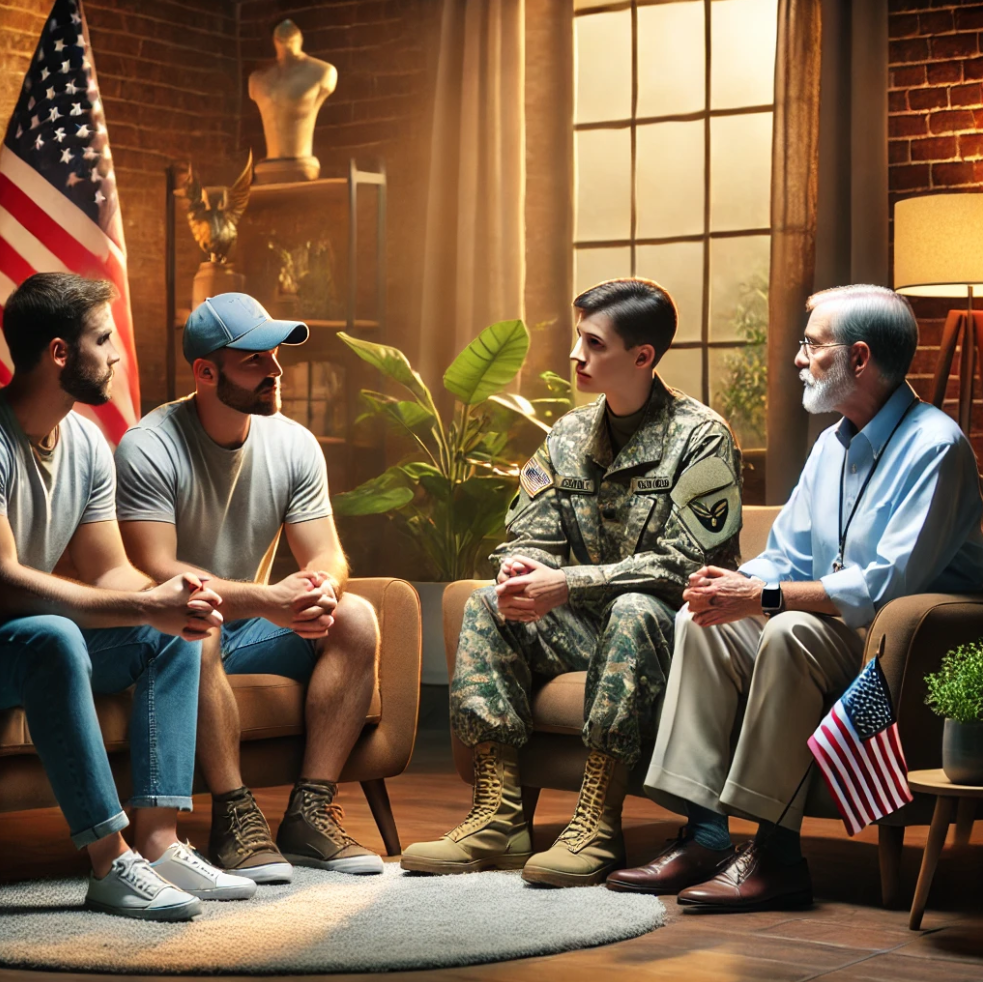
Supporting Veterans and Their Mental Health: A National Responsibility

Veterans have served their country with dedication and, upon returning to civilian life, often face numerous challenges that require our support and understanding. Many veterans experience significant mental health issues, including post-traumatic stress disorder (PTSD), depression, anxiety, and substance use disorders. These challenges can hinder their ability to reintegrate into civilian life and maintain relationships, employment, and a healthy lifestyle. Recognizing the mental health needs of veterans and implementing effective support strategies is crucial for honoring their service and supporting their well-being.

The Mental Health Landscape for Veterans

Veterans are at a higher risk of mental health issues compared to the general population. A report from the U.S. Department of Veterans Affairs (VA) indicated that approximately 11-20% of veterans who served in Iraq and Afghanistan suffer from PTSD in any given year, and the prevalence is even higher among those who served in the Vietnam War (U.S. Department of Veterans Affairs, 2022). Additionally, veterans are at an increased risk for depression, anxiety, and substance abuse issues, with research suggesting that over 25% of veterans experience symptoms related to depression and other mood disorders (Hoge et al., 2004).

A primary cause of these mental health challenges is the exposure to trauma and high-stress situations during service. Repeated exposure to combat, violence, and injury can leave lasting psychological scars that are difficult to heal. This stress may also exacerbate pre-existing mental health issues, making it even more difficult for veterans to transition back to civilian life.

Barriers to Mental Health Care for Veterans

While the VA and other organizations offer resources for veterans, barriers to accessing mental health care persist. According to the RAND Corporation, veterans may face significant obstacles, such as long wait times for appointments, stigma surrounding mental health, and a lack of providers who understand military culture (Tanielian et al., 2018). This stigma can prevent veterans from seeking help, as they may feel that mental health challenges are a sign of weakness or that others will not understand their experiences.

Rural veterans often face additional obstacles due to the lack of nearby mental health resources. Research has shown that nearly a quarter of all veterans live in rural areas, where specialized mental health services may be limited (Weeks et al., 2008). Telemedicine and virtual counseling have helped bridge some of these gaps, but there remains a need for more accessible, culturally informed care tailored to the unique needs of veterans.

Strategies for Supporting Veterans’ Mental Health

  1. Increasing Access to Mental Health Services:
    Expanding mental health resources specifically tailored for veterans is essential. The VA and other organizations are implementing initiatives to reduce wait times, increase the availability of telehealth services, and provide alternative therapies, such as art therapy, music therapy, and mindfulness practices (U.S. Department of Veterans Affairs, 2022). Community-based programs can also provide veterans with accessible care, particularly in rural areas.
  2. Building a Community of Support:
    Peer support programs can be highly effective for veterans, as they allow veterans to connect with others who have had similar experiences. Programs like the Veterans Crisis Line and the VA’s Peer Support program connect veterans with trained peers, who provide support, understanding, and guidance. Research suggests that peer support reduces PTSD symptoms and increases veterans’ willingness to seek help (Resnick et al., 2012).
  3. Reducing Stigma through Public Awareness:
    Public awareness campaigns can play a crucial role in reducing stigma around veterans’ mental health issues. Campaigns should focus on educating both veterans and the general public about the commonality of mental health challenges, emphasizing that seeking help is a sign of strength. The VA’s “Make the Connection” campaign is an example of an initiative aimed at reducing stigma and encouraging veterans to pursue mental health treatment (U.S. Department of Veterans Affairs, 2022).
  4. Encouraging Family Involvement and Support:
    Family members can be a crucial source of support for veterans dealing with mental health issues. Programs that educate family members about PTSD, depression, and other mental health conditions can equip them to support their loved ones effectively. Involving families in therapy sessions can also create a support network that extends beyond formal mental health services, which may improve outcomes for veterans (Monson et al., 2006).
  5. Employment and Reintegration Support:
    Meaningful employment can significantly impact veterans’ mental health and quality of life. Programs like the VA’s Vocational Rehabilitation and Employment services provide veterans with job training, career counseling, and job placement assistance, helping veterans reintegrate into civilian life (U.S. Department of Veterans Affairs, 2022). Research shows that veterans who find stable employment report higher levels of satisfaction and mental well-being (Resnik et al., 2012).

A Call to Action

Supporting veterans’ mental health is not only a moral duty but also a way to ensure the well-being of individuals who have made profound sacrifices. By addressing the barriers veterans face in accessing mental health care, expanding peer support networks, reducing stigma, and providing employment and family support, society can help veterans lead healthier and more fulfilling lives. Moreover, these actions honor their service by providing the respect, care, and compassion they deserve.

We must continue to advocate for policies that support veterans’ mental health, fund research into effective treatments, and raise public awareness about the unique challenges veterans face. Providing veterans with the resources and support they need to thrive is one of the most meaningful ways we can repay them for their service and dedication to our country.

This article has been written by John S. Collier, MSW, LCSW. Mr. Collier has over 25 years of experience in the social work field and is based in London Kentucky through Southeast Kentucky Behavioral Health, LLC. Mr. Collier may be reached by phone at (606) 657–0532 extension 101 or by email at john@sekybh.com.


References

Hoge, C. W., Castro, C. A., Messer, S. C., McGurk, D., Cotting, D. I., & Koffman, R. L. (2004). Combat duty in Iraq and Afghanistan, mental health problems, and barriers to care. New England Journal of Medicine, 351(1), 13-22.

Monson, C. M., Schnurr, P. P., Stevens, S. P., & Guthrie, K. A. (2006). Cognitive-behavioral conjoint therapy for PTSD: Pilot results from a community sample. Journal of Traumatic Stress, 19(3), 289-299.

Resnick, S. G., & Rosenheck, R. A. (2012). Integrating peer-provided services: A quasi-experimental study of recovery orientation, confidence, and empowerment. Psychiatric Services, 63(6), 541-547.

Tanielian, T., Jaycox, L. H., & RAND Corporation. (2008). Invisible Wounds of War: Psychological and Cognitive Injuries, Their Consequences, and Services to Assist Recovery. RAND Corporation.

U.S. Department of Veterans Affairs. (2022). PTSD: National Center for PTSD. https://www.ptsd.va.gov