WELCOME
Grieving the Loss of Stepchildren After Divorce

A Pain That Is Real, Even If Others Don’t See It


When people talk about divorce, they often talk about the loss of a spouse. But there is another loss that many people don’t talk about—the loss of stepchildren.

If you were a stepparent, you may have loved those children deeply. You may have helped raise them, cared for them, and been part of their daily lives. When the divorce happens, that relationship can suddenly end.

This kind of loss is real. It hurts. And it deserves to be understood.


The Bond You Built

Being a stepparent is not always easy. The relationship grows over time. It is built through moments like:

  • Helping with homework
  • Attending school events
  • Laughing together
  • Teaching and guiding

Even though you are not related by blood, love still grows. Research shows that strong emotional bonds can form through care and time, not just biology (Ganong & Coleman, 2017).

That means losing that relationship can feel just as painful as losing any close family member.


A Type of Grief People Don’t Always Understand

There is a kind of grief called disenfranchised grief. This means a loss that other people do not always recognize (Doka, 2002).

You might hear things like:

  • “They weren’t really your kids.”
  • “You can just move on.”

But those words can feel hurtful. The truth is, love is what makes a relationship real—not blood.


A Loss Without Closure

This kind of loss is also called ambiguous loss (Boss, 1999). That means the people you love are still alive, but you are no longer part of their lives.

This can be very confusing and painful because:

  • There is no goodbye
  • There is no clear ending
  • You may not know if you will ever see them again

It can leave your heart feeling stuck—like you don’t know how to move forward.


What You May Feel

Grieving stepchildren can bring many emotions, such as:

  • Sadness
  • Loneliness
  • Anger
  • Guilt
  • Feeling empty

You may also wonder:

  • “Do they remember me?”
  • “Did I matter to them?”

These thoughts are normal. They are part of grief.


Why This Hurts So Much

There are a few reasons this loss can feel so strong:

1. You Have No Control
You may not have the right to see or talk to them anymore.

2. People Don’t Always Understand
Others may not see your loss as important.

3. There Is No Closure
The relationship may end suddenly, with no chance to say goodbye.

4. The Love Is Still There
Even though the relationship ended, your feelings did not.


Ways to Cope and Heal

There are healthy ways to deal with this kind of grief:

1. Accept That Your Feelings Are Real
Your pain matters. You are allowed to grieve.

2. Talk About It
Speaking with a therapist or someone you trust can help.

3. Write It Out
Writing a letter to your stepchildren (even if you never send it) can bring some peace (Pennebaker & Chung, 2011).

4. Remember the Good Moments
Your time with them mattered. It made a difference.

5. Take Care of Yourself
Eat well, rest, and stay connected with others.


The Truth About Love

Loving those children was not a mistake.

Even if the relationship ended, the love you gave was real. Research shows that close relationships help us grow and shape who we are (Bowlby, 1980).

You were part of their story—and they were part of yours.


Final Thoughts

Losing stepchildren after a divorce is a quiet kind of heartbreak. Many people don’t see it, but that doesn’t make it any less real.

Grief is not something to hide from. It is a sign that you loved deeply.

And that love—no matter how the story ended—was worth it.


References

Boss, P. (1999). Ambiguous loss: Learning to live with unresolved grief. Harvard University Press.

Bowlby, J. (1980). Attachment and loss: Loss, sadness and depression. Basic Books.

Doka, K. J. (2002). Disenfranchised grief. Research Press.

Ganong, L., & Coleman, M. (2017). Stepfamily relationships. Springer.

Pennebaker, J. W., & Chung, C. K. (2011). Expressive writing and mental health.


About the Author

John S. Collier, MSW, LCSW is a licensed clinical social worker in Kentucky. He helps people work through grief, trauma, and life changes. He is passionate about helping others heal and grow through difficult experiences.

Holiday Stress: Understanding Causes and Effective Coping Strategies

As the holiday season approaches, many people find themselves experiencing elevated levels of stress. Despite the season’s emphasis on joy and celebration, the holidays can bring unique stressors that impact mental well-being. From financial pressures and social obligations to family dynamics and the expectation of cheer, holiday stress is a prevalent issue. Understanding these sources of stress and adopting effective coping strategies can help individuals navigate the season with resilience.

Causes of Holiday Stress

  1. Financial Pressure
    One of the primary sources of holiday stress is financial strain. A survey by the American Psychological Association (APA) found that money is a top stressor during the holidays, as individuals feel pressured to spend on gifts, decorations, and travel (APA, 2022). The National Retail Federation reports that the average American consumer spends over $1,000 on holiday expenses, which can lead to financial worry, especially for those on a tight budget (NRF, 2022).
  2. Social and Family Obligations
    Family gatherings and social events increase during the holiday season, and while these can be enjoyable, they also bring stress. Family dynamics, particularly in cases of estrangement or unresolved conflicts, can lead to tension and anxiety (Mayo Clinic, 2023). Additionally, individuals may feel pressured to attend numerous gatherings, which can become overwhelming and emotionally exhausting.
  3. High Expectations and Pressure to Feel Happy
    The holiday season is often portrayed in media as a time of happiness and perfection. This expectation can lead individuals to feel inadequate or stressed if their experiences do not align with these ideals (Kocovski et al., 2021). This pressure to appear cheerful and festive, even when one does not feel that way, can amplify feelings of isolation or sadness.
  4. Disrupted Routines and Lack of Self-Care
    The holiday season can disrupt normal routines, affecting sleep, diet, and exercise patterns. Research shows that routine disruptions can lead to emotional imbalance, which can exacerbate stress levels (Kühn et al., 2022). Many people also neglect self-care during this time, prioritizing holiday tasks over personal well-being.

Effective Coping Strategies for Holiday Stress

  1. Set Realistic Expectations
    Adjusting expectations around the holidays can help reduce stress. Instead of striving for perfection, focus on enjoying moments as they come. Studies have shown that setting realistic, attainable goals for the holidays can improve overall well-being (Lyubomirsky & Layous, 2013). Consider scaling back holiday plans to avoid overextending yourself financially and emotionally.
  2. Create a Budget and Stick to It
    Developing a realistic budget for holiday expenses and adhering to it can alleviate financial stress. A 2020 study found that individuals who budgeted for the holidays reported significantly less financial anxiety than those who did not (Scholz et al., 2020). Planning gift purchases in advance and setting spending limits can prevent financial strain.
  3. Practice Mindfulness and Relaxation Techniques
    Mindfulness practices, such as meditation and deep breathing exercises, are effective ways to reduce stress. Research has shown that mindfulness can decrease holiday-related stress by improving emotional regulation and reducing rumination (Goldstein et al., 2021). Taking time to relax and focus on the present moment can foster resilience and help individuals cope with holiday pressures.
  4. Prioritize Self-Care and Maintain Healthy Routines
    Maintaining regular sleep, exercise, and diet routines can have a profound impact on managing holiday stress. A study from the American Psychological Association indicates that engaging in physical activity and prioritizing healthy sleep patterns help individuals better cope with seasonal stress (APA, 2022). Scheduling personal time for self-care activities, such as reading or walking, can help balance holiday obligations with personal needs.
  5. Limit Social Media Use
    Social media can exacerbate holiday stress by exposing individuals to idealized portrayals of others’ experiences. Limiting social media use can help reduce feelings of inadequacy and prevent comparison-based stress. A study found that reduced social media engagement over the holidays led to higher levels of self-esteem and decreased feelings of stress (Twenge et al., 2019).

Seeking Support

For those struggling with holiday stress, reaching out to friends, family, or a mental health professional can be beneficial. Studies show that social support can significantly reduce stress and improve mental well-being (Cohen & Wills, 1985). Talking openly about holiday-related stress with loved ones or seeking therapy can provide emotional relief and help develop coping skills.

Conclusion

The holiday season brings unique challenges, from financial strain to social pressures. However, by setting realistic expectations, practicing self-care, and employing mindfulness techniques, individuals can mitigate these stressors and enjoy a more peaceful holiday season. For those who continue to struggle, seeking support from friends, family, or mental health professionals can provide essential relief. Managing holiday stress effectively is key to fostering a healthier, happier season.

This article was written by John S. Collier, MSW, LCSW. Mr. Collier is a seasoned clinical social worker with over 25 years of experience, serving the London and Richmond, Kentucky areas through Southeast Kentucky Behavioral Health, LLC. Known for his compassionate approach and commitment to quality care, Mr. Collier supports individuals and families with a focus on mental health and well-being. He may be reached by phone at (606) 657–0532, extension 101, or by email at john@sekybh.com.

References

  • American Psychological Association. (2022). Stress in America: Coping with holiday stress. APA.
  • Cohen, S., & Wills, T. A. (1985). Stress, social support, and the buffering hypothesis. Psychological Bulletin, 98(2), 310–357.
  • Goldstein, J., et al. (2021). Mindfulness interventions and stress reduction: The role of emotional regulation. Journal of Clinical Psychology, 77(5), 1093–1105.
  • Kocovski, N. L., et al. (2021). Social pressure and the holiday effect: A study on societal expectations and holiday-related stress. Social Psychology Quarterly, 84(4), 325–338.
  • Kühn, S., et al. (2022). Routine disruption and emotional imbalance: Implications for holiday-related stress. Emotion, 22(4), 675–683.
  • Lyubomirsky, S., & Layous, K. (2013). How do simple positive activities increase well-being? Current Directions in Psychological Science, 22(1), 57–62.
  • Mayo Clinic. (2023). Stress management: Handling holiday stress. Mayo Clinic.
  • National Retail Federation. (2022). Holiday shopping trends and consumer spending. NRF.
  • Scholz, J. K., et al. (2020). Financial planning and budgeting for seasonal expenses: Reducing anxiety and stress. Financial Counseling and Planning Journal, 31(2), 101–118.
  • Twenge, J. M., et al. (2019). Social media use and holiday stress: The role of online comparisons in shaping holiday experiences. Cyberpsychology, Behavior, and Social Networking, 22(7), 427–433.

This article provides a comprehensive overview of the causes and coping strategies for holiday-related stress, offering readers evidence-based insights for a healthier holiday season.

Post-Traumatic Stress Disorder in Soldiers: Understanding, Effects, and Treatment

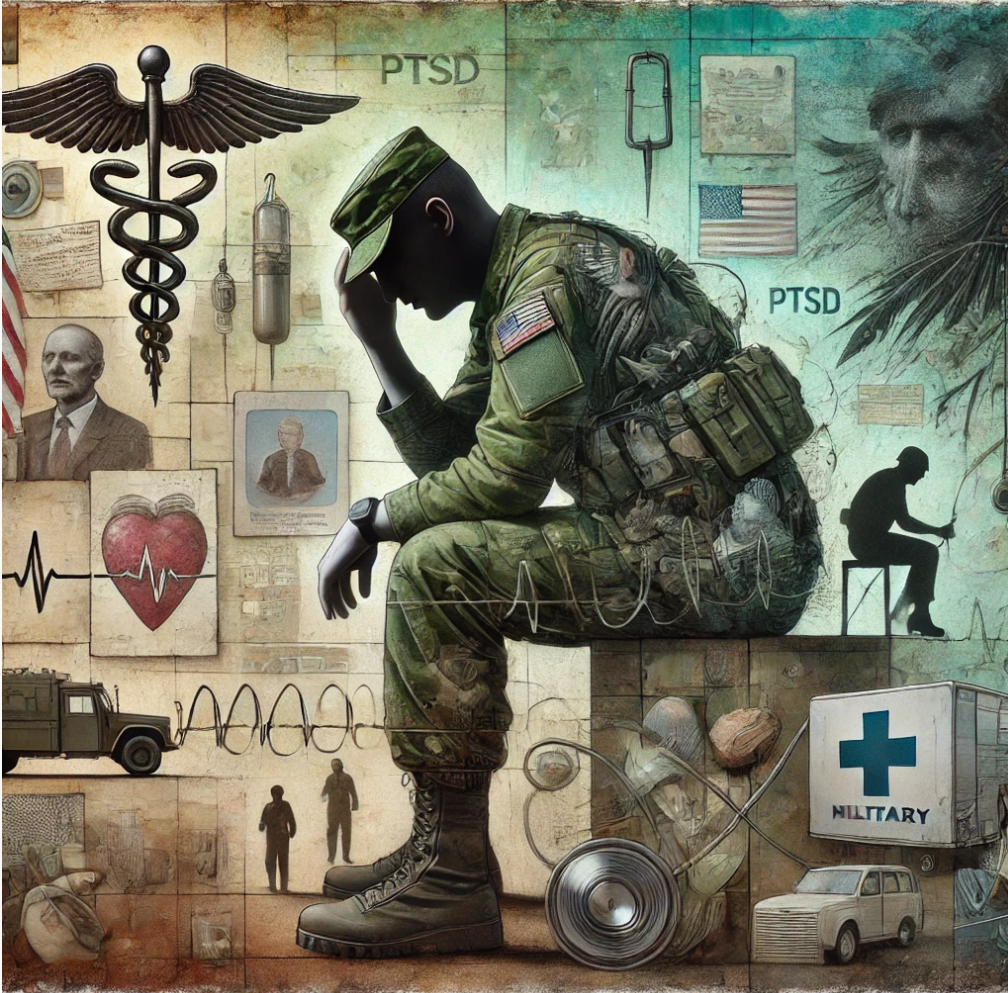
Post-Traumatic Stress Disorder (PTSD) is a mental health condition that has long affected soldiers and military personnel, often impacting their lives in profound ways. According to the U.S. Department of Veterans Affairs, up to 20% of veterans who served in Iraq and Afghanistan experience PTSD, underscoring the prevalence of this condition among soldiers who endure the harsh realities of combat and warfare. This article explores the causes, symptoms, and effects of PTSD in soldiers, examines various treatment options, and discusses emerging approaches to care.

Causes of PTSD in Soldiers

PTSD is generally triggered by exposure to traumatic events. For soldiers, combat is a primary source of trauma, involving life-threatening situations, witnessing injury or death, and enduring extreme physical and emotional stress. Studies have found that prolonged and repeated exposure to combat conditions increases the risk of PTSD, particularly if soldiers are subjected to high levels of intensity and frequency of traumatic events (American Psychological Association, 2020). Further risk factors include military rank, training, and support systems, with enlisted personnel and those lacking robust support networks being more vulnerable (Gradus, 2023).

The severity of PTSD symptoms often varies based on the intensity and nature of the traumatic events experienced. For instance, individuals who encounter close combat situations or who witness the death of comrades are more likely to develop severe PTSD symptoms (Hoge et al., 2004).

Symptoms of PTSD in Soldiers

PTSD symptoms are generally grouped into four categories:

  1. Intrusive Thoughts: Soldiers with PTSD often experience unwanted, distressing memories or flashbacks of traumatic events, causing them to relive the traumatic moment repeatedly.
  2. Avoidance: Avoiding situations, people, or places that remind the individual of the trauma is a common coping mechanism. Soldiers might withdraw from social settings or avoid seeking help.
  3. Negative Changes in Thought and Mood: Symptoms may include persistent negative emotions, distorted beliefs about oneself or others, and a feeling of detachment from family and friends.
  4. Hyperarousal and Reactivity: PTSD often causes soldiers to experience heightened anxiety, irritability, or hypervigilance. They may have difficulty sleeping and feel constantly on edge (National Institute of Mental Health, 2021).

In military contexts, PTSD can lead to significant challenges in social and family relationships, making reintegration into civilian life difficult. Soldiers may experience guilt over actions taken or not taken in combat, known as moral injury, which exacerbates the symptoms of PTSD (Litz et al., 2009).

Effects of PTSD on Soldiers’ Lives

PTSD can have a severe impact on veterans’ physical, mental, and emotional well-being, with potential long-term consequences that affect not only the individual but also their families and communities. Some of the major effects include:

  • Depression and Anxiety: Soldiers with PTSD often experience comorbid depression and anxiety, which can further complicate their recovery. The stress and trauma they face in combat environments have lasting effects that increase susceptibility to these conditions.
  • Substance Abuse: To cope with symptoms, many veterans turn to alcohol or drugs, which often results in dependency issues. Research has shown that PTSD and substance use disorders are closely linked in military populations, with soldiers attempting to self-medicate to alleviate PTSD symptoms (Seal et al., 2011).
  • Suicidal Ideation and Attempts: PTSD is a significant risk factor for suicide among veterans, with some studies indicating that the risk of suicide is higher among those with PTSD than the general population (Kang et al., 2015).
  • Difficulties in Employment and Social Reintegration: Veterans with PTSD may struggle to find and maintain stable employment due to symptoms such as hyperarousal, anxiety, and avoidance, impacting their social and economic well-being. Reintegration challenges, compounded by stigmatization of mental health issues, further isolate veterans from support systems that could aid in their recovery.

Treatment Options for PTSD in Soldiers

A wide range of treatment options is available for soldiers with PTSD. The goal of these treatments is not only to alleviate symptoms but to enable veterans to lead fulfilling lives after service. Treatments can be broadly categorized into:

  1. Psychotherapy: Psychotherapy, particularly Cognitive Behavioral Therapy (CBT) and Eye Movement Desensitization and Reprocessing (EMDR), are among the most effective treatments for PTSD. CBT helps patients process and alter their trauma-related thoughts and behaviors, while EMDR helps in processing traumatic memories by stimulating the brain’s natural healing process (Watkins et al., 2018).
  2. Pharmacotherapy: Antidepressants like selective serotonin reuptake inhibitors (SSRIs) are commonly prescribed for PTSD, as they help manage symptoms of anxiety and depression. Medication, however, is often used alongside psychotherapy rather than as a standalone treatment (VA/DoD Clinical Practice Guideline, 2017).
  3. Group Therapy and Support Groups: These provide veterans with a community that understands their experiences, fostering a support system that can help them cope with the effects of trauma. Research indicates that group therapy is particularly beneficial for soldiers, as it promotes shared understanding and mutual support (Browne et al., 2016).
  4. Emerging Treatments: New therapies, such as virtual reality exposure therapy (VRET) and MDMA-assisted psychotherapy, have shown promising results. VRET immerses patients in a controlled, simulated environment to help them confront and process traumatic experiences. MDMA-assisted therapy, under clinical investigation, has demonstrated significant reductions in PTSD symptoms in early trials (Mithoefer et al., 2018).

Challenges in Addressing PTSD in Military Contexts

Despite available treatments, several challenges remain in addressing PTSD among soldiers. A significant barrier is stigma—many military personnel fear seeking help for PTSD due to concerns about appearing weak or unfit for duty. Additionally, the military structure can sometimes be resistant to mental health care initiatives, emphasizing resilience and self-reliance over seeking assistance. Efforts are ongoing to destigmatize PTSD and encourage open discussions about mental health in military settings (Hoge et al., 2004).

Accessibility of mental health services is another issue. Many veterans live in rural areas with limited access to specialized PTSD treatments. Telemedicine has been identified as a potential solution, offering remote therapy sessions that improve access for veterans in underserved areas (Rosen et al., 2017).

Conclusion

PTSD remains a significant mental health concern for soldiers, with far-reaching impacts on individuals, families, and communities. The military context poses unique challenges for both the onset and treatment of PTSD, underscoring the need for continued research, awareness, and innovation in treatment options. By addressing stigma and improving access to mental health care, society can better support veterans in managing PTSD and lead them toward healthier, more fulfilling lives post-service.

This article was written by John S. Collier, MSW, LCSW. Mr. Collier has over 25 years of experience in the Social Work field. He currently serves as the Executive Director and Outpatient provider for Southeast Kentucky Behavioral Health based out of London Kentucky. He may be reached at (606) 657-0532 extension 101 or by email at john@sekybh.com

References

  • American Psychological Association. (2020). PTSD and the Military. Retrieved from APA.org.
  • Gradus, J. (2023). PTSD in Military Veterans. VA National Center for PTSD. Retrieved from PTSD.va.gov.
  • Hoge, C. W., et al. (2004). Combat Duty in Iraq and Afghanistan, Mental Health Problems, and Barriers to Care. The New England Journal of Medicine, 351(1), 13-22.
  • Kang, H. K., et al. (2015). Association of PTSD with increased suicide risk among veterans. Journal of Military Medicine, 180(9), 982-989.
  • Litz, B. T., et al. (2009). Moral injury and moral repair in war veterans: A preliminary model and intervention strategy. Clinical Psychology Review, 29(8), 695-706.
  • Mithoefer, M. C., et al. (2018). MDMA-assisted psychotherapy for PTSD: A breakthrough therapy. Journal of Psychopharmacology, 32(1), 4-12.
  • National Institute of Mental Health. (2021). Post-Traumatic Stress Disorder. Retrieved from NIMH.nih.gov.
  • Rosen, C. S., et al. (2017). Telemedicine for PTSD: A review of clinical evidence and practice. Telemedicine and e-Health, 23(3), 192-202.
  • Seal, K. H., et al. (2011). Substance use disorders in Iraq and Afghanistan veterans. Journal of Addiction Medicine, 5(1), 5-10.
  • VA/DoD Clinical Practice Guideline. (2017). Management of Post-Traumatic Stress Disorder and Acute Stress Reaction. Department of Veterans Affairs.
Did you Lose Yourself in your Marriage?

Marriage is often seen as a union of two individuals who merge their lives, goals, and values. While this partnership requires compromise, trust, and mutual support, there is a risk of losing one’s personal identity in the process. Losing oneself in a marriage refers to the tendency to prioritize the relationship at the expense of individual identity, interests, and personal development. While the idea of “becoming one” is often romanticized, losing oneself in a marriage can have significant negative consequences for both personal well-being and the relationship itself.

The Concept of Losing Yourself in Marriage

To lose oneself in a marriage means that an individual’s personal identity becomes submerged in the identity of the couple. This can manifest in giving up personal hobbies, values, friendships, or ambitions for the sake of maintaining the relationship. While compromise is an essential part of any marriage, consistently abandoning one’s personal interests and values can lead to feelings of disconnection, resentment, and dissatisfaction over time (Aron & Aron, 2001).

Researchers have explored the psychological phenomenon of “relationship enmeshment,” which occurs when boundaries between partners become blurred, and one partner’s identity is overtaken by the couple’s shared identity (Cramer, 2003). While it’s normal for couples to grow together and make sacrifices for one another, maintaining individual autonomy is equally important for long-term happiness and mental health.

Negative Consequences of Losing Yourself in Marriage

Losing oneself in a marriage can result in several adverse effects, both on an individual level and within the relationship itself.

  1. Loss of Personal Fulfillment: When a person consistently prioritizes their spouse’s needs and interests over their own, they may begin to lose touch with the things that once brought them personal joy and satisfaction (Miller, 2019). Over time, this can lead to feelings of emptiness, as the individual may feel they have lost their sense of purpose outside the marriage.
  2. Emotional Burnout and Resentment: Constantly putting the relationship above one’s own needs can lead to emotional exhaustion. This can result in feelings of resentment towards the spouse, as the individual may feel that they have sacrificed too much for the relationship (Waller & McLanahan, 2005). This, in turn, can create tension within the marriage, as unresolved feelings of resentment and burnout may lead to conflict.
  3. Imbalanced Power Dynamics: In cases where one partner continually prioritizes the other, an imbalanced power dynamic can emerge. The partner who has lost themselves may feel powerless or dependent on their spouse, while the other partner may unknowingly become the dominant figure in the relationship (Anderson & Chen, 2002). This imbalance can create long-term strain on the relationship, as both partners may struggle to navigate the power dynamic.
  4. Increased Risk of Codependency: Losing oneself in a marriage can also contribute to codependency, a situation where one partner becomes overly reliant on the other for emotional support and self-worth. Codependency can limit personal growth, independence, and self-sufficiency, making the individual feel trapped within the relationship (Hendrick & Hendrick, 2006). This can further erode the quality of the marriage, as both partners may struggle with the limitations that codependency imposes.

Why It’s Important to Maintain Individuality in Marriage

Maintaining individuality within a marriage is not only beneficial for personal well-being but also for the health of the relationship. When both partners have their own identities, interests, and friendships, they are more likely to experience personal fulfillment, which can positively impact the marriage. Here are a few reasons why individuality is crucial:

  1. Promotes Personal Growth: Maintaining one’s own hobbies, ambitions, and social connections outside of the marriage allows for continued personal growth. When individuals have space to grow independently, they bring new perspectives and experiences back to the relationship, enriching the partnership as a whole (Aron & Aron, 2001).
  2. Encourages Healthy Boundaries: Healthy marriages thrive on mutual respect and understanding. Setting and maintaining personal boundaries can help ensure that both partners feel valued and respected in the relationship. This allows for a balance of independence and togetherness, preventing the suffocation that often comes with losing oneself in the marriage (Cramer, 2003).
  3. Fosters Emotional Stability: When individuals maintain a sense of self outside of the relationship, they are less likely to become emotionally dependent on their spouse. This fosters emotional stability, as each partner feels confident and secure in their own identity (Sprecher & Felmlee, 1992). Emotional stability contributes to a healthier and more balanced relationship dynamic, where both partners support each other’s individual growth.

How to Prevent Losing Yourself in Marriage

To avoid losing oneself in marriage, it is essential to establish and maintain boundaries, communicate openly with your partner, and prioritize self-care. Here are some practical steps to ensure a healthy balance between individuality and partnership:

  1. Prioritize Personal Hobbies and Interests: It is important to continue pursuing personal hobbies and interests, even after getting married. Engaging in activities that bring personal fulfillment allows individuals to maintain a sense of self (Waller & McLanahan, 2005). Additionally, this can help prevent feelings of boredom or stagnation within the marriage.
  2. Foster Open Communication: Having honest conversations with your partner about personal needs, boundaries, and concerns is essential. Open communication helps prevent misunderstandings and ensures that both partners feel heard and respected (Hendrick & Hendrick, 2006).
  3. Maintain Relationships Outside of the Marriage: Cultivating friendships and maintaining relationships with family members outside the marriage is vital. These connections provide emotional support and offer different perspectives, helping to prevent isolation within the marriage (Miller, 2019).
  4. Reflect on Personal Goals: Take time to regularly reflect on personal goals, values, and aspirations. This helps ensure that personal ambitions are not lost in the pursuit of relationship harmony (Aron & Aron, 2001).

Conclusion

While marriage is a deeply rewarding partnership, it is important to avoid losing oneself in the relationship. Maintaining individuality, setting healthy boundaries, and fostering open communication can help ensure that both partners thrive both individually and as a couple. By balancing personal growth with marital commitment, individuals can experience greater fulfillment, emotional stability, and long-term relationship satisfaction.

This article has been written by John S. Collier, MSW, LCSW. Mr. Collier has over 25 years in the social work field. He currently serves as the executive director and provider within Southeast Kentucky Behavioral Health based out of London Kentucky. He may be reached at 6066570532 or by email at john@sekybh.com.

References

Anderson, S. M., & Chen, S. (2002). The relational self: An interpersonal social-cognitive theory. Psychological Review, 109(4), 619–645. https://doi.org/10.1037/0033-295X.109.4.619

Aron, A., & Aron, E. N. (2001). Self-expansion model of motivation and cognition in close relationships and beyond. Handbook of Motivation and Cognition Within Close Relationships, 63–84.

Cramer, D. (2003). Perceived respect for privacy, need for independence, and personal well-being in close relationships. Journal of Social and Personal Relationships, 20(2), 253–271. https://doi.org/10.1177/0265407503020002005

Hendrick, S. S., & Hendrick, C. (2006). Close relationships: A sourcebook. Sage Publications.

Miller, K. (2019). Boundaries in relationships: The key to maintaining intimacy and trust. Healthy Connections Press.

Sprecher, S., & Felmlee, D. (1992). The influence of self-disclosure on liking: Separate meta-analyses for men and women. Psychological Bulletin, 112(3), 487-492.

Waller, M. R., & McLanahan, S. (2005). “His” and “Her” marriage expectations: Determinants and consequences. Journal of Marriage and Family, 67(1), 53-67.