We’re now offering telehealth and in-person evening appointments for Outpatient Therapy to better serve you and your family! Whether you prefer the convenience of virtual care or a face-to-face session after your workday, our compassionate team is here to provide personalized support for your mental health and wellness needs.
Take the first step towards achieving your goals in a way that fits your schedule.
📞 Call us today at (606) 657-0532 to book your appointment! 🌐 Visit our website at www.sekybh.com for more information.
Your health and well-being are our priority. Let us help you thrive!
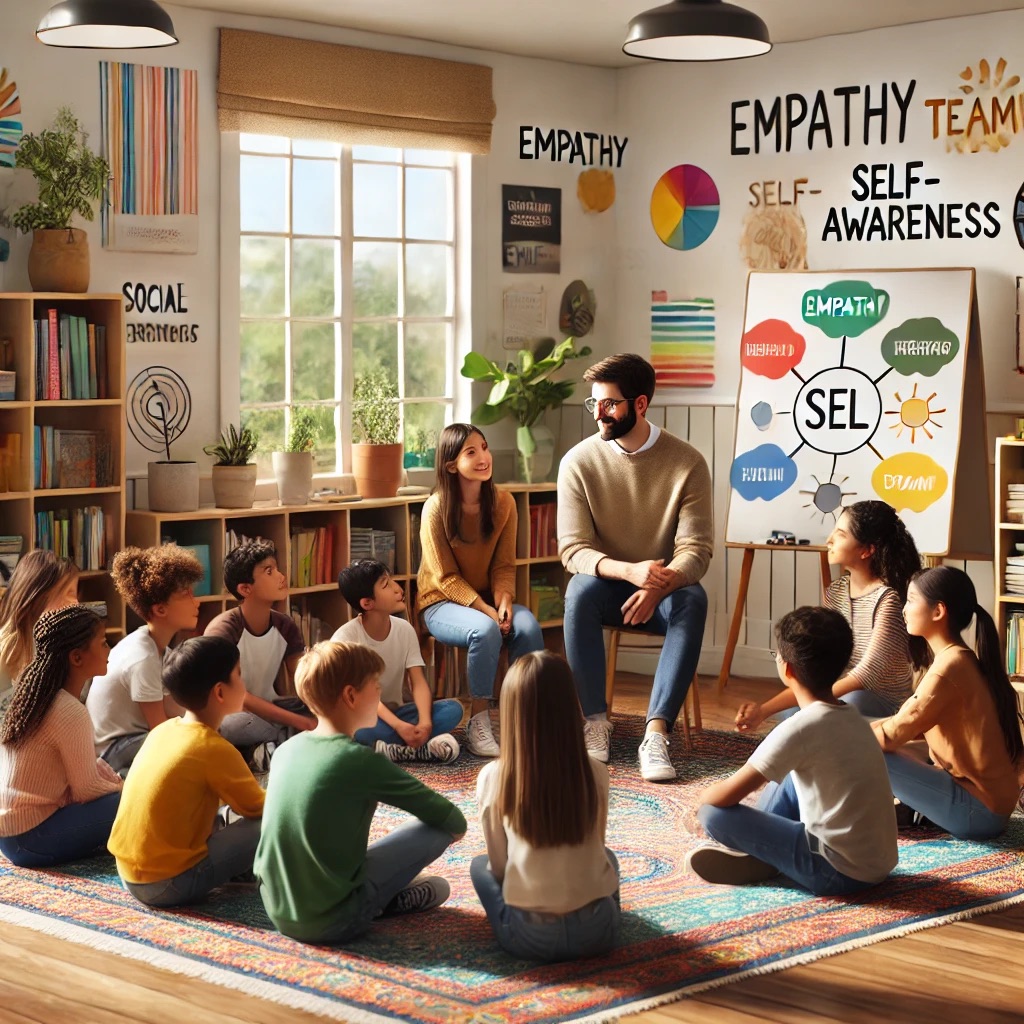
Social Emotional Learning (SEL) has gained prominence as an integral component of education. Defined by the Collaborative for Academic, Social, and Emotional Learning (CASEL), SEL involves the process of acquiring and applying knowledge, attitudes, and skills to understand and manage emotions, achieve positive goals, demonstrate empathy, establish and maintain relationships, and make responsible decisions (CASEL, 2023).
The growing recognition of SEL stems from its demonstrated impact on students’ academic performance, mental health, and future success. This article delves into the five core components of SEL, its benefits, and the practical implications of integrating SEL into educational systems.
Core Components of Social Emotional Learning
CASEL identifies five core competencies that form the foundation of SEL programs:
1. Self-Awareness: The ability to recognize one’s emotions, thoughts, and values and understand how they influence behavior. Self-awareness also involves accurately assessing personal strengths and weaknesses.
2. Self-Management: Skills related to regulating emotions, setting and achieving goals, and managing stress.
3. Social Awareness: The capacity to empathize with others, appreciate diversity, and understand social norms.
4. Relationship Skills: Abilities to establish and maintain healthy relationships, communicate effectively, and resolve conflicts constructively.
5. Responsible Decision-Making: The process of making ethical and constructive choices about personal and social behavior.
These competencies provide a framework for creating supportive environments where students can thrive both academically and personally.
Benefits of Social Emotional Learning
1. Academic Performance
Research consistently shows that SEL enhances academic outcomes. A meta-analysis of 213 SEL programs revealed an average academic performance gain of 11 percentile points for students participating in SEL programs compared to their peers (Durlak et al., 2011).
2. Behavioral Improvements
SEL reduces behavioral problems such as aggression and disruptive behaviors. Programs that teach emotional regulation and conflict resolution help students respond to challenges more constructively (Jones et al., 2019).
3. Mental Health and Well-Being
Students exposed to SEL demonstrate lower levels of anxiety and depression and higher levels of emotional resilience (Taylor et al., 2017). These programs equip students with coping mechanisms to navigate stress and adversity effectively.
4. Long-Term Success
The skills fostered by SEL extend beyond the classroom. Emotional intelligence, teamwork, and decision-making are essential in the workplace and personal life, leading to higher rates of employment and life satisfaction (Weissberg et al., 2015).
Implementation Strategies for Educators
1. Embedding SEL in Curriculum
SEL can be integrated into daily lessons across subjects by incorporating group discussions, collaborative projects, and reflective writing assignments.
2. Professional Development for Teachers
Training educators to model and teach SEL competencies is critical for program success. Teachers need resources and strategies to address diverse student needs.
3. Family and Community Engagement
Involving families and communities in SEL initiatives ensures consistency in fostering social and emotional skills outside the classroom.
4. Data-Driven Practices
Regular assessment of SEL programs helps educators refine their approaches and demonstrate measurable outcomes.
Challenges and Considerations
While SEL offers numerous benefits, challenges such as lack of funding, teacher resistance, and the need for cultural adaptation must be addressed. Policymakers and educators must prioritize creating equitable SEL programs that consider diverse cultural and socioeconomic backgrounds.
Conclusion
Social Emotional Learning is a vital component of modern education, addressing the holistic development of students. By teaching students to navigate emotions, relationships, and decisions, SEL not only enhances academic success but also equips students with lifelong skills. Future research and policy efforts should focus on scaling SEL initiatives and addressing challenges to ensure all students benefit from these transformative programs.
This article is written by John S. Collier, MSW, LCSW. Mr. Collier has over 25 years experience in the social work field. He currently serves as the executive director and outpatient behavioral health therapist at Southeast Kentucky Behavioral health based out of London Kentucky. He may be reached by phone at 606-657-0532 extension 101 or by email at john@sckybh.com
References
• Collaborative for Academic, Social, and Emotional Learning (CASEL). (2023). What is SEL? Retrieved from https://casel.org
• Durlak, J. A., Weissberg, R. P., Dymnicki, A. B., Taylor, R. D., & Schellinger, K. B. (2011). The impact of enhancing students’ social and emotional learning: A meta-analysis of school-based universal interventions. Child Development, 82(1), 405-432.
• Jones, S. M., Bailey, R., & Kahn, J. (2019). The science and practice of social and emotional learning: Implications for state policymaking. The Aspen Institute.
• Taylor, R. D., Oberle, E., Durlak, J. A., & Weissberg, R. P. (2017). Promoting positive youth development through school-based social and emotional learning interventions: A meta-analysis of follow-up effects. Child Development, 88(4), 1156-1171.
• Weissberg, R. P., Durlak, J. A., Domitrovich, C. E., & Gullotta, T. P. (2015). Social and emotional learning: Past, present, and future. Handbook of Social and Emotional Learning: Research and Practice, 3-19.
This article underscores the transformative potential of SEL in education and beyond, offering a roadmap for educators, policymakers, and communities to prioritize holistic development.
Veterans have served their country with dedication and, upon returning to civilian life, often face numerous challenges that require our support and understanding. Many veterans experience significant mental health issues, including post-traumatic stress disorder (PTSD), depression, anxiety, and substance use disorders. These challenges can hinder their ability to reintegrate into civilian life and maintain relationships, employment, and a healthy lifestyle. Recognizing the mental health needs of veterans and implementing effective support strategies is crucial for honoring their service and supporting their well-being.
The Mental Health Landscape for Veterans
Veterans are at a higher risk of mental health issues compared to the general population. A report from the U.S. Department of Veterans Affairs (VA) indicated that approximately 11-20% of veterans who served in Iraq and Afghanistan suffer from PTSD in any given year, and the prevalence is even higher among those who served in the Vietnam War (U.S. Department of Veterans Affairs, 2022). Additionally, veterans are at an increased risk for depression, anxiety, and substance abuse issues, with research suggesting that over 25% of veterans experience symptoms related to depression and other mood disorders (Hoge et al., 2004).
A primary cause of these mental health challenges is the exposure to trauma and high-stress situations during service. Repeated exposure to combat, violence, and injury can leave lasting psychological scars that are difficult to heal. This stress may also exacerbate pre-existing mental health issues, making it even more difficult for veterans to transition back to civilian life.
Barriers to Mental Health Care for Veterans
While the VA and other organizations offer resources for veterans, barriers to accessing mental health care persist. According to the RAND Corporation, veterans may face significant obstacles, such as long wait times for appointments, stigma surrounding mental health, and a lack of providers who understand military culture (Tanielian et al., 2018). This stigma can prevent veterans from seeking help, as they may feel that mental health challenges are a sign of weakness or that others will not understand their experiences.
Rural veterans often face additional obstacles due to the lack of nearby mental health resources. Research has shown that nearly a quarter of all veterans live in rural areas, where specialized mental health services may be limited (Weeks et al., 2008). Telemedicine and virtual counseling have helped bridge some of these gaps, but there remains a need for more accessible, culturally informed care tailored to the unique needs of veterans.
Strategies for Supporting Veterans’ Mental Health
Increasing Access to Mental Health Services: Expanding mental health resources specifically tailored for veterans is essential. The VA and other organizations are implementing initiatives to reduce wait times, increase the availability of telehealth services, and provide alternative therapies, such as art therapy, music therapy, and mindfulness practices (U.S. Department of Veterans Affairs, 2022). Community-based programs can also provide veterans with accessible care, particularly in rural areas.
Building a Community of Support: Peer support programs can be highly effective for veterans, as they allow veterans to connect with others who have had similar experiences. Programs like the Veterans Crisis Line and the VA’s Peer Support program connect veterans with trained peers, who provide support, understanding, and guidance. Research suggests that peer support reduces PTSD symptoms and increases veterans’ willingness to seek help (Resnick et al., 2012).
Reducing Stigma through Public Awareness: Public awareness campaigns can play a crucial role in reducing stigma around veterans’ mental health issues. Campaigns should focus on educating both veterans and the general public about the commonality of mental health challenges, emphasizing that seeking help is a sign of strength. The VA’s “Make the Connection” campaign is an example of an initiative aimed at reducing stigma and encouraging veterans to pursue mental health treatment (U.S. Department of Veterans Affairs, 2022).
Encouraging Family Involvement and Support: Family members can be a crucial source of support for veterans dealing with mental health issues. Programs that educate family members about PTSD, depression, and other mental health conditions can equip them to support their loved ones effectively. Involving families in therapy sessions can also create a support network that extends beyond formal mental health services, which may improve outcomes for veterans (Monson et al., 2006).
Employment and Reintegration Support: Meaningful employment can significantly impact veterans’ mental health and quality of life. Programs like the VA’s Vocational Rehabilitation and Employment services provide veterans with job training, career counseling, and job placement assistance, helping veterans reintegrate into civilian life (U.S. Department of Veterans Affairs, 2022). Research shows that veterans who find stable employment report higher levels of satisfaction and mental well-being (Resnik et al., 2012).
A Call to Action
Supporting veterans’ mental health is not only a moral duty but also a way to ensure the well-being of individuals who have made profound sacrifices. By addressing the barriers veterans face in accessing mental health care, expanding peer support networks, reducing stigma, and providing employment and family support, society can help veterans lead healthier and more fulfilling lives. Moreover, these actions honor their service by providing the respect, care, and compassion they deserve.
We must continue to advocate for policies that support veterans’ mental health, fund research into effective treatments, and raise public awareness about the unique challenges veterans face. Providing veterans with the resources and support they need to thrive is one of the most meaningful ways we can repay them for their service and dedication to our country.
This article has been written by John S. Collier, MSW, LCSW. Mr. Collier has over 25 years of experience in the social work field and is based in London Kentucky through Southeast Kentucky Behavioral Health, LLC. Mr. Collier may be reached by phone at (606) 657–0532 extension 101 or by email at john@sekybh.com.
References
Hoge, C. W., Castro, C. A., Messer, S. C., McGurk, D., Cotting, D. I., & Koffman, R. L. (2004). Combat duty in Iraq and Afghanistan, mental health problems, and barriers to care. New England Journal of Medicine, 351(1), 13-22.
Monson, C. M., Schnurr, P. P., Stevens, S. P., & Guthrie, K. A. (2006). Cognitive-behavioral conjoint therapy for PTSD: Pilot results from a community sample. Journal of Traumatic Stress, 19(3), 289-299.
Resnick, S. G., & Rosenheck, R. A. (2012). Integrating peer-provided services: A quasi-experimental study of recovery orientation, confidence, and empowerment. Psychiatric Services, 63(6), 541-547.
Tanielian, T., Jaycox, L. H., & RAND Corporation. (2008). Invisible Wounds of War: Psychological and Cognitive Injuries, Their Consequences, and Services to Assist Recovery. RAND Corporation.
U.S. Department of Veterans Affairs. (2022). PTSD: National Center for PTSD. https://www.ptsd.va.gov
In today’s world, the concept of “entitlement” is often associated with young people. But what does it really mean to be “entitled”? At its core, entitlement is a sense of deserving special treatment or privileges without necessarily earning them (Twenge & Campbell, 2009). While entitlement isn’t inherently bad, when unchecked, it can lead to negative behaviors and strained relationships. This article aims to help you, as a teenager, understand entitlement from your perspective and how it might impact your life.
What is Entitlement?
Entitlement is a mindset where people believe they deserve certain rights or privileges without putting in effort or showing gratitude. It’s like expecting a reward without doing the work or expecting things to go your way just because you want them to. Psychologists Dr. Jean Twenge and Dr. W. Keith Campbell define it as “a stable and pervasive sense that one deserves more and is entitled to more than others” (Twenge & Campbell, 2009). This can sometimes show up as expecting praise for things that should be standard or demanding special treatment in different situations.
Signs of Entitlement in Teenagers
According to psychologists, entitlement can sometimes develop naturally during teenage years as you seek more independence and explore self-identity (APA, 2013). Here are some common signs of entitlement to reflect on:
Expecting Praise for Basic Responsibilities If you often expect praise for everyday responsibilities, like finishing your homework or chores, this might be a sign of entitlement. While appreciation is important, basic responsibilities are usually expected without special recognition.
Demanding Special Treatment Entitlement can show up when you believe you should be treated differently just because of who you are. For instance, if you often feel frustrated when others don’t give you special privileges, it may be worth reflecting on why you feel that way.
Ignoring Others’ Needs Entitlement can lead to a focus on one’s own needs while overlooking others. If you frequently expect your family or friends to go out of their way for you, without offering support in return, it might be a sign of an entitled attitude.
4. Struggling with Criticism or Rejection Those with entitled mindsets often have a hard time handling criticism or rejection. If you find yourself getting overly defensive or hurt when people offer constructive feedback, it could be a sign of entitlement.
Why Does Entitlement Happen?
Entitlement can sometimes be a byproduct of wanting to feel special or unique. During adolescence, as you figure out who you are, it’s normal to crave validation. However, the rise of social media can add pressure to appear “successful” or “popular,” which sometimes fuels entitled thinking (Kross & Verduyn, 2018). Additionally, cultural factors, like messages in media, often promote self-focus and immediate gratification, which can also impact how entitled we feel.
Family environment and upbringing also play a role. For example, when parents give constant praise without boundaries or shield children from any failure, it can lead to entitlement (Twenge & Campbell, 2009). This isn’t to say praise is harmful, but balance is key.
The Downsides of Entitlement
While a small amount of entitlement can build confidence, too much can create challenges. Research shows that entitled attitudes are linked to difficulty in relationships, dissatisfaction with life, and even increased mental health struggles, like depression and anxiety (Grubbs & Exline, 2016). When we expect too much from others, we risk pushing people away and experiencing disappointment when things don’t go our way.
Entitlement can also hinder personal growth. By always expecting others to meet your needs, you may miss out on learning resilience, empathy, and problem-solving skills, which are essential for navigating adulthood.
How to Recognize and Reduce Entitlement
1. Practice Gratitude One of the simplest ways to combat entitlement is to cultivate gratitude. Instead of focusing on what you lack or what you deserve, take time each day to recognize things you’re grateful for. Research shows that practicing gratitude can increase happiness and reduce feelings of entitlement (Emmons & McCullough, 2003).
2. Work on Self-Awareness Reflect on your actions and motives. Ask yourself, “Am I doing this because I feel I deserve special treatment, or am I genuinely interested in contributing?” By becoming more aware of your thoughts and actions, you can shift toward a more balanced perspective.
3. Learn to Accept Criticism Learning to accept constructive criticism is a valuable skill that helps build resilience. Instead of feeling hurt or defensive, try to see criticism as an opportunity to grow and improve.
4. Build Empathy Practice thinking about others’ perspectives and needs. Ask yourself how your actions impact others. Empathy helps build meaningful relationships and reduces entitlement by reminding you that others have their own needs and challenges.
5. Develop a Growth Mindset Dr. Carol Dweck’s research on growth mindset suggests that people who focus on growth over fixed achievements are more likely to be successful and satisfied in life (Dweck, 2006). By focusing on effort and improvement rather than expecting outcomes, you can shift away from entitlement.
Recognizing entitlement can be challenging, especially when society often reinforces a “me-first” mentality. However, by practicing gratitude, empathy, and self-awareness, you can avoid the pitfalls of entitlement and develop stronger, healthier relationships with those around you. Remember, the path to true confidence and self-worth doesn’t come from expecting special treatment but from treating others and yourself with respect and understanding.
This article has been written by John S. Collier, MSW, LCSW. Mr. Collier has over 25 years of experience in the social work field and is based in London Kentucky through Southeast Kentucky Behavioral Health, LLC. Mr. Collier may be reached by phone at (606) 657–0532 extension 101 or by email at john@sekybh.com.
References
American Psychological Association. (2013). Developing Adolescents: A Reference for Professionals. American Psychological Association.
Dweck, C. S. (2006). Mindset: The New Psychology of Success. Random House.
Emmons, R. A., & McCullough, M. E. (2003). Counting blessings versus burdens: An experimental investigation of gratitude and subjective well-being in daily life. Journal of Personality and Social Psychology, 84(2), 377-389.
Grubbs, J. B., & Exline, J. J. (2016). Trait entitlement as an emotion regulation strategy: A longitudinal study of its effects on perceived stress, depressive symptoms, and self-esteem. Journal of Research in Personality, 61, 27-34.
Kross, E., & Verduyn, P. (2018). Social media and well-being: Pitfalls, progress, and next steps. Trends in Cognitive Sciences, 22(7), 558-560.
Twenge, J. M., & Campbell, W. K. (2009). The Narcissism Epidemic: Living in the Age of Entitlement. Free Press.