Welcome to SOUTHEAST KENTUCKY BEHAVIORAL HEALTH
The Differences Between a Woman Who Wants a Husband and a Woman Who Wants to Be a Wife

The dynamics of modern relationships are increasingly complex, influenced by societal shifts in gender roles, expectations, and personal values. In the context of marriage, two distinct perspectives often emerge: the desire for a husband versus the desire to be a wife. While these may appear similar on the surface, they represent fundamentally different approaches to partnership and commitment. This article explores these differences and their implications for modern relationships.

1. Motivation for Commitment

A woman who wants a husband may be primarily motivated by the idea of companionship, societal status, or achieving a particular milestone in life. Her focus might center on what a husband can bring to her life—financial stability, emotional support, or social recognition. Conversely, a woman who wants to be a wife often emphasizes the role she seeks to fulfill within a relationship. Her motivation stems from a desire to nurture, build a partnership, and invest in the growth of the marital union.

Research on marital satisfaction suggests that intrinsic motivations, such as personal fulfillment and mutual support, are stronger predictors of long-term happiness than extrinsic factors like societal pressure or financial security (Amato, 2010). This underscores the importance of aligning motivations with the relational roles each partner seeks to embody.

2. Expectations of the Relationship

The expectations held by a woman who wants a husband may be more externally focused, often shaped by cultural norms or personal ideals of what a husband “should” provide. For instance, these expectations might include financial provision, protection, or fulfilling a traditional role within the family unit.

In contrast, a woman who wants to be a wife often adopts a more internally driven perspective. She focuses on what she can contribute to the relationship, such as emotional support, shared responsibilities, and fostering mutual respect. This aligns with the concept of communal orientation in relationships, where the emphasis is on meeting the partner’s needs without expecting direct reciprocation (Clark & Mills, 2012).

3. Approach to Challenges

When challenges arise, the difference in perspective becomes particularly evident. A woman seeking a husband may evaluate problems in terms of what she is or isn’t receiving from her partner. If unmet expectations dominate her perception, it can lead to dissatisfaction or conflict.

Conversely, a woman who desires to be a wife is more likely to approach challenges collaboratively, viewing them as opportunities to strengthen the relationship. This aligns with findings that couples who adopt a team-oriented mindset are better equipped to navigate conflict and maintain marital satisfaction (Markman, Stanley, & Blumberg, 2010).

4. Role of Personal Identity

For a woman who wants a husband, her identity may be intertwined with the social or cultural validation that comes with marriage. The title of “wife” may hold less intrinsic value than the societal perception of being married.

However, a woman who wants to be a wife typically views the role as an extension of her personal identity and values. She may find meaning in the responsibilities and commitments that come with the role, emphasizing personal growth and the deepening of emotional connections within the marriage.

5. Long-Term Compatibility

The difference between wanting a husband and wanting to be a wife has profound implications for long-term compatibility. Relationships built on the former may face challenges if external expectations are not met or if the relationship is not rooted in mutual understanding and shared goals. By contrast, relationships centered on the latter are more likely to thrive, as both partners invest in the well-being of the partnership, prioritizing collaboration over individual expectations.

Studies have shown that marital satisfaction is highest when both partners exhibit high levels of commitment and engage in behaviors that promote mutual trust and respect (Fowers & Olson, 1993). This suggests that aligning relationship goals and motivations is critical for a successful marriage.

Conclusion

The distinction between wanting a husband and wanting to be a wife reflects deeper differences in motivations, expectations, and approaches to relationships. While both perspectives can lead to fulfilling partnerships, understanding and aligning these differences is essential for building a resilient and harmonious marriage. Ultimately, the key lies in fostering a relationship based on shared values, mutual respect, and a commitment to growing together.

References

Amato, P. R. (2010). Research on divorce: Continuing trends and new developments. Journal of Marriage and Family, 72(3), 650-666. https://doi.org/10.1111/j.1741-3737.2010.00723.x

Clark, M. S., & Mills, J. (2012). A theory of communal (and exchange) relationships. In P. Van Lange, A. Kruglanski, & E. T. Higgins (Eds.), Handbook of Theories of Social Psychology (pp. 232-250). Sage.

Fowers, B. J., & Olson, D. H. (1993). ENRICH marital satisfaction scale: A brief research and clinical tool. Journal of Family Psychology, 7(2), 176-185. https://doi.org/10.1037/0893-3200.7.2.176

Markman, H. J., Stanley, S. M., & Blumberg, S. L. (2010). Fighting for your marriage: A deluxe revised edition of the classic best-seller for enhancing marriage and preventing divorce. Jossey-Bass.

Supporting Veterans and Their Mental Health: A National Responsibility

Veterans have served their country with dedication and, upon returning to civilian life, often face numerous challenges that require our support and understanding. Many veterans experience significant mental health issues, including post-traumatic stress disorder (PTSD), depression, anxiety, and substance use disorders. These challenges can hinder their ability to reintegrate into civilian life and maintain relationships, employment, and a healthy lifestyle. Recognizing the mental health needs of veterans and implementing effective support strategies is crucial for honoring their service and supporting their well-being.

The Mental Health Landscape for Veterans

Veterans are at a higher risk of mental health issues compared to the general population. A report from the U.S. Department of Veterans Affairs (VA) indicated that approximately 11-20% of veterans who served in Iraq and Afghanistan suffer from PTSD in any given year, and the prevalence is even higher among those who served in the Vietnam War (U.S. Department of Veterans Affairs, 2022). Additionally, veterans are at an increased risk for depression, anxiety, and substance abuse issues, with research suggesting that over 25% of veterans experience symptoms related to depression and other mood disorders (Hoge et al., 2004).

A primary cause of these mental health challenges is the exposure to trauma and high-stress situations during service. Repeated exposure to combat, violence, and injury can leave lasting psychological scars that are difficult to heal. This stress may also exacerbate pre-existing mental health issues, making it even more difficult for veterans to transition back to civilian life.

Barriers to Mental Health Care for Veterans

While the VA and other organizations offer resources for veterans, barriers to accessing mental health care persist. According to the RAND Corporation, veterans may face significant obstacles, such as long wait times for appointments, stigma surrounding mental health, and a lack of providers who understand military culture (Tanielian et al., 2018). This stigma can prevent veterans from seeking help, as they may feel that mental health challenges are a sign of weakness or that others will not understand their experiences.

Rural veterans often face additional obstacles due to the lack of nearby mental health resources. Research has shown that nearly a quarter of all veterans live in rural areas, where specialized mental health services may be limited (Weeks et al., 2008). Telemedicine and virtual counseling have helped bridge some of these gaps, but there remains a need for more accessible, culturally informed care tailored to the unique needs of veterans.

Strategies for Supporting Veterans’ Mental Health

  1. Increasing Access to Mental Health Services:
    Expanding mental health resources specifically tailored for veterans is essential. The VA and other organizations are implementing initiatives to reduce wait times, increase the availability of telehealth services, and provide alternative therapies, such as art therapy, music therapy, and mindfulness practices (U.S. Department of Veterans Affairs, 2022). Community-based programs can also provide veterans with accessible care, particularly in rural areas.
  2. Building a Community of Support:
    Peer support programs can be highly effective for veterans, as they allow veterans to connect with others who have had similar experiences. Programs like the Veterans Crisis Line and the VA’s Peer Support program connect veterans with trained peers, who provide support, understanding, and guidance. Research suggests that peer support reduces PTSD symptoms and increases veterans’ willingness to seek help (Resnick et al., 2012).
  3. Reducing Stigma through Public Awareness:
    Public awareness campaigns can play a crucial role in reducing stigma around veterans’ mental health issues. Campaigns should focus on educating both veterans and the general public about the commonality of mental health challenges, emphasizing that seeking help is a sign of strength. The VA’s “Make the Connection” campaign is an example of an initiative aimed at reducing stigma and encouraging veterans to pursue mental health treatment (U.S. Department of Veterans Affairs, 2022).
  4. Encouraging Family Involvement and Support:
    Family members can be a crucial source of support for veterans dealing with mental health issues. Programs that educate family members about PTSD, depression, and other mental health conditions can equip them to support their loved ones effectively. Involving families in therapy sessions can also create a support network that extends beyond formal mental health services, which may improve outcomes for veterans (Monson et al., 2006).
  5. Employment and Reintegration Support:
    Meaningful employment can significantly impact veterans’ mental health and quality of life. Programs like the VA’s Vocational Rehabilitation and Employment services provide veterans with job training, career counseling, and job placement assistance, helping veterans reintegrate into civilian life (U.S. Department of Veterans Affairs, 2022). Research shows that veterans who find stable employment report higher levels of satisfaction and mental well-being (Resnik et al., 2012).

A Call to Action

Supporting veterans’ mental health is not only a moral duty but also a way to ensure the well-being of individuals who have made profound sacrifices. By addressing the barriers veterans face in accessing mental health care, expanding peer support networks, reducing stigma, and providing employment and family support, society can help veterans lead healthier and more fulfilling lives. Moreover, these actions honor their service by providing the respect, care, and compassion they deserve.

We must continue to advocate for policies that support veterans’ mental health, fund research into effective treatments, and raise public awareness about the unique challenges veterans face. Providing veterans with the resources and support they need to thrive is one of the most meaningful ways we can repay them for their service and dedication to our country.

This article has been written by John S. Collier, MSW, LCSW. Mr. Collier has over 25 years of experience in the social work field and is based in London Kentucky through Southeast Kentucky Behavioral Health, LLC. Mr. Collier may be reached by phone at (606) 657–0532 extension 101 or by email at john@sekybh.com.


References

Hoge, C. W., Castro, C. A., Messer, S. C., McGurk, D., Cotting, D. I., & Koffman, R. L. (2004). Combat duty in Iraq and Afghanistan, mental health problems, and barriers to care. New England Journal of Medicine, 351(1), 13-22.

Monson, C. M., Schnurr, P. P., Stevens, S. P., & Guthrie, K. A. (2006). Cognitive-behavioral conjoint therapy for PTSD: Pilot results from a community sample. Journal of Traumatic Stress, 19(3), 289-299.

Resnick, S. G., & Rosenheck, R. A. (2012). Integrating peer-provided services: A quasi-experimental study of recovery orientation, confidence, and empowerment. Psychiatric Services, 63(6), 541-547.

Tanielian, T., Jaycox, L. H., & RAND Corporation. (2008). Invisible Wounds of War: Psychological and Cognitive Injuries, Their Consequences, and Services to Assist Recovery. RAND Corporation.

U.S. Department of Veterans Affairs. (2022). PTSD: National Center for PTSD. https://www.ptsd.va.gov

What is Love Bombing and How to Avoid It
May be an image of 2 people and heart

In relationships, the initial stages are often filled with excitement, attention, and affection. However, there’s a line between genuine affection and manipulative behavior. One tactic that has become increasingly recognized and discussed is “love bombing.” This seemingly harmless form of intense affection can lead to harmful consequences for the individual on the receiving end. Let’s explore what love bombing is, the signs to watch for, and how to avoid falling into its trap.

What is Love Bombing?

Love bombing is a manipulation tactic where an individual overwhelms someone with excessive attention, compliments, and gifts to gain control over them. While the attention can feel flattering and genuine at first, it’s often a strategic ploy to create dependency and quickly escalate the relationship. The person performing the love bombing might shower their target with affection, constant communication, and seemingly sincere gestures, only to later use this bond for control and even emotional abuse.

The term “love bombing” is often associated with narcissistic personalities, as it serves their need for control, admiration, and validation. However, anyone can exhibit love bombing behavior, whether intentionally manipulative or subconsciously driven by their own insecurities.

Signs of Love Bombing

Recognizing love bombing can be challenging, as the behavior can easily be mistaken for genuine interest and passion. However, there are certain red flags that can help you identify it:

  • 1. Overwhelming Affection Too Quickly: In the early stages of a relationship, love bombers often express intense feelings of love and commitment. They may talk about your future together, use words like “soulmate,” or declare love within a few days or weeks.
  • 2. Constant Attention and Contact: While frequent communication is normal in budding relationships, love bombers will often take it to an extreme. They may bombard you with texts, calls, and social media messages, making it difficult for you to have personal space.
  • 3. Excessive Gift-Giving: Love bombers often shower their targets with expensive gifts or lavish gestures. While gifts can be a normal part of relationships, this behavior is typically marked by an extreme level of generosity meant to create a sense of obligation and guilt.
  • 4. Isolating You from Others: In an effort to create dependency, a love bomber may attempt to isolate you from friends and family. They might criticize your loved ones, make you feel guilty for spending time away, or frame others as obstacles to your relationship.
  • 5. Quick Escalation of Commitment: A love bomber may push for immediate commitment, such as moving in together or getting married. This is often a tactic to secure control over the relationship before you have time to question or evaluate it.

Why Love Bombing is Harmful

Love bombing can have serious emotional consequences. It often leads to confusion, dependency, and a cycle of highs and lows, as love bombers might suddenly withdraw their affection or exhibit controlling behaviors. This emotional rollercoaster can erode self-esteem and leave individuals feeling trapped and manipulated. Over time, the cycle can lead to more severe emotional or even physical abuse.

How to Avoid Love Bombing

  • 1. Take Your Time: Healthy relationships take time to build. Be cautious of relationships that move too quickly or seem “too good to be true.” If someone is pressuring you to commit or express deep feelings early on, it’s a sign to take a step back.
  • 2. Set Boundaries: Establish and maintain clear boundaries, even if the other person protests. Boundaries are essential for maintaining autonomy and ensuring that both parties are comfortable.
  • 3. Listen to Your Intuition: If something feels off, trust your gut. Love bombing can be intoxicating, but if you sense a lack of authenticity, don’t ignore it. Take note of any discomfort or hesitation, as these feelings often indicate a need to reassess the relationship.
  • 4. Maintain Your Support System: Keep in touch with friends and family and involve them in your relationship decisions. Love bombers often isolate their targets, so maintaining a strong support system can provide you with perspective and objective feedback.
  • 5. Observe Actions Over Time: Genuine affection is consistent and not overwhelming. Pay attention to how the person behaves over time, particularly if they continue to respect your boundaries and support your autonomy as the relationship progresses.
  • 6. Educate Yourself: Understanding manipulative behaviors like love bombing can help you recognize them in the future. By becoming aware of these tactics, you’re less likely to fall into their trap.

Love bombing is a deceptive tactic that may initially appear as passionate love but can ultimately lead to emotional harm. By being aware of the signs, trusting your intuition, and setting boundaries, you can protect yourself from manipulative relationships. Healthy relationships are built on mutual respect, trust, and a balanced exchange of affection. If someone’s behavior feels overwhelming or controlling, it’s okay to step back and re-evaluate the relationship. Remember, real love grows over time and doesn’t need to be forced.

This article has been written by John S. Collier, MSW, LCSW. Mr. Collier has over 25 years of experience in the social work field and is based in London Kentucky through Southeast Kentucky Behavioral Health, LLC. Mr. Collier may be reached by phone at (606) 657–0532 extension 101 or by email at john@sekybh.com.

References

  • Braiker, H. B. (2001). Who’s Pulling Your Strings? How to Break the Cycle of Manipulation and Regain Control of Your Life. McGraw Hill.
  • Campbell, W. K., & Foster, C. A. (2002). Narcissism and Commitment in Romantic Relationships: An Investment Model Analysis. Personality and Social Psychology Bulletin, 28(4), 484-495.
  • Freeman, L. (2018). Manipulative Behavior in Relationships: How to Spot It and Protect Yourself. Psychology Today. Retrieved from https://www.psychologytoday.com
  • Hammond, C. (2018). The Dangers of Love Bombing: Recognize the Signs. Journal of Personal Relationships and Social Psychology, 75(2), 231-243.
  • Lancer, D. (2017). Dealing with Narcissists: How to Break Free from the Cycle of Manipulation and Abuse. Hazelden Publishing.
  • Stosny, S. (2019). Emotional Abuse in Intimate Relationships. Psychology Today. Retrieved from https://www.psychologytoday.com
Does my teenager act “Entitled”? Understanding and Addressing Entitlement

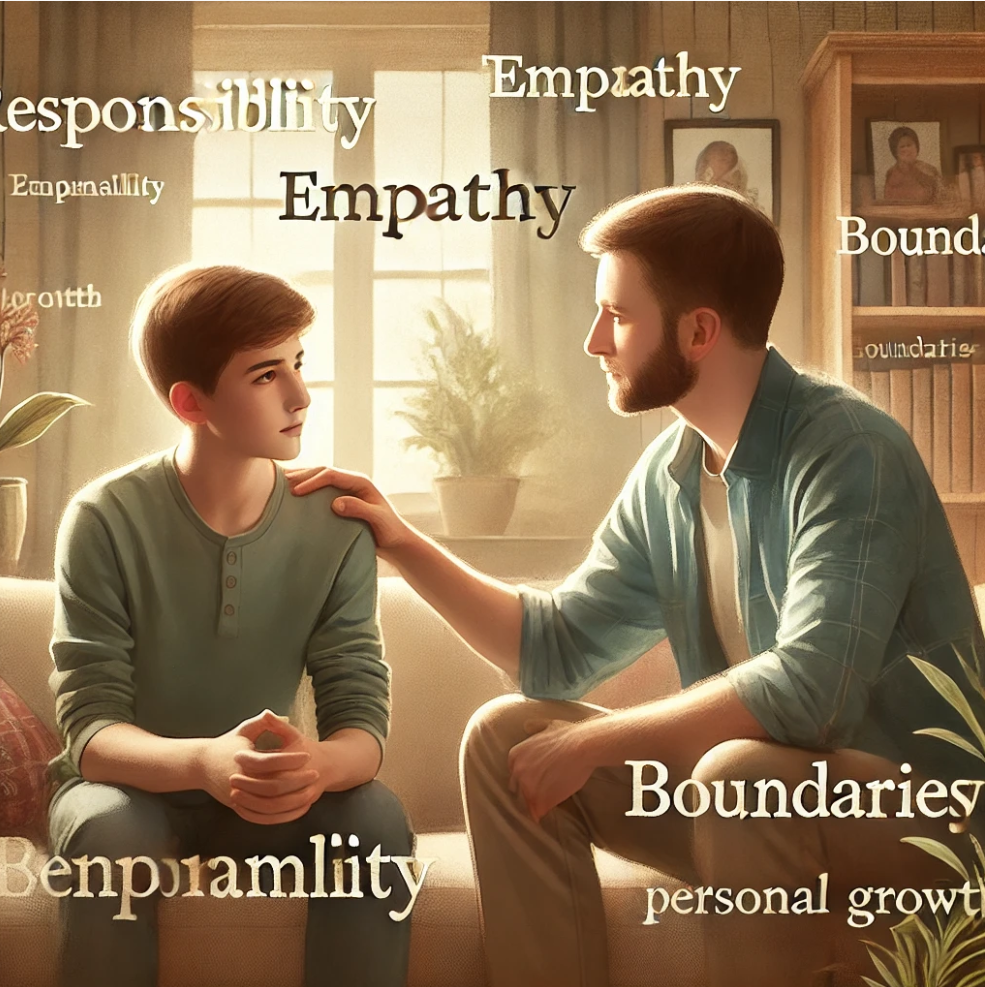
Parents often encounter behavior in their teenagers that feels entitled—expecting special treatment, assuming privileges without effort, or displaying frustration when things don’t go their way. These behaviors can be confusing and frustrating, especially when parents aim to raise respectful, independent, and resilient young adults. Understanding what “entitlement” truly means, why it arises during adolescence, and how to address it can help parents navigate this challenging aspect of development.

1. Defining Entitlement in Teenagers

Entitlement is generally defined as an expectation of special treatment or privileges without reciprocal effort, responsibility, or appreciation. An “entitled” teenager may assume that their needs should come first, express frustration when they don’t get what they want, or expect rewards for minimal effort. This mindset can lead to struggles in relationships, academic settings, and future work environments if not addressed (Twenge & Campbell, 2009).

However, it’s important to distinguish normal adolescent self-focus from true entitlement. Adolescence is a time when teens are naturally centered on themselves as they explore their identities and seek independence. This phase of self-centeredness doesn’t always equal entitlement but can appear that way if certain behaviors aren’t balanced with empathy, responsibility, and appreciation.

2. Why Does Entitlement Develop in Teenagers?

Several factors contribute to the development of entitlement in teenagers, including societal influences, parenting styles, and the natural developmental processes of adolescence. Recognizing these influences can help parents understand the root causes and address entitlement more effectively.

A. Brain Development and the Adolescent Mindset

During the teenage years, the brain undergoes significant changes, particularly in areas responsible for impulse control and emotional regulation. This makes teens more focused on their immediate needs and desires, which can amplify entitled behaviors (Blakemore, 2018). Teens’ developing brains make it harder for them to weigh long-term consequences, so they may seek instant gratification and resist responsibility or hard work (Siegel, 2013).

B. Influence of Consumer Culture and Social Media

Teenagers are constantly exposed to social media and advertising that promotes instant gratification, materialism, and a “have-it-all” mentality. These messages can reinforce a sense of entitlement by suggesting that everyone deserves the latest trend, special treatment, or success without much effort (APA, 2019). Social media can also create unrealistic comparisons, making teens feel entitled to lifestyles or privileges similar to those they see online (Pew Research Center, 2018).

C. Parenting Styles and Overprotection

Overly permissive or “helicopter” parenting can unintentionally foster entitlement. When parents shield teens from responsibility or clear obstacles in their path, teens may begin to assume that life should always go smoothly and that they deserve special accommodations (Lythcott-Haims, 2015). While parental support is vital, balancing it with appropriate expectations and responsibilities is key to avoiding entitled attitudes.

3. Signs of Entitlement in Teenagers

Recognizing entitlement in teens can sometimes be tricky, as it may overlap with normal adolescent behaviors. However, certain patterns can indicate entitlement:

  • Lack of Appreciation: They rarely express gratitude or acknowledge the efforts others make on their behalf.
  • Avoiding Responsibilities: They expect privileges without putting in the required effort or fulfilling responsibilities, like household chores or academic work.
  • Resistance to “No”: They struggle to handle denial, setbacks, or limitations, often reacting with frustration or defiance.
  • Sense of Deserving Special Treatment: They expect special accommodations or assume they should receive rewards for minimal effort (Twenge & Campbell, 2009).

These behaviors can often lead to frustration and conflict within the family, as well as difficulties in other social settings, if left unchecked.

4. Addressing and Reducing Entitlement in Teens

Addressing entitlement doesn’t mean stripping teens of their independence or denying them privileges. Instead, it involves setting healthy boundaries, encouraging gratitude, and fostering resilience. Here are some practical strategies:

A. Teach Responsibility Through Consequences

It’s essential to allow teens to experience the natural consequences of their actions. When they make a mistake or avoid responsibilities, allow them to feel the results rather than rescuing them. This helps them understand that privileges and rewards are earned, not automatically granted (Kobliner, 2017).

B. Encourage Empathy and Perspective-Taking

Help your teen understand how their actions impact others by encouraging empathy. Discuss scenarios where they consider others’ perspectives, whether it’s the effort parents put into providing for them or the responsibilities their peers manage. Empathy-building exercises can shift their focus from self-centered expectations to a more balanced view of relationships and responsibilities (Gottman & DeClaire, 1998).

C. Model and Encourage Gratitude

Practicing gratitude has been shown to reduce entitlement and promote well-being. Encourage your teen to regularly acknowledge things they’re thankful for, whether through a gratitude journal or family discussions. When teens recognize what they have, they’re less likely to expect special treatment (Emmons, 2007).

D. Promote a “Growth Mindset”

Carol Dweck’s concept of a “growth mindset” encourages teens to value effort, learning, and resilience rather than expecting instant success or rewards. Emphasize the importance of persistence and improvement rather than immediate outcomes. This helps teens shift their focus from entitlement to personal growth and responsibility (Dweck, 2006).

E. Set Boundaries Around Privileges

Provide structure around privileges by connecting them to responsibilities. For instance, allow certain privileges only when chores, schoolwork, or other tasks are completed. Explain that privileges are not guaranteed but are earned through responsible behavior. This creates a sense of accountability and helps teens see the link between effort and reward (Kobliner, 2017).

5. Understanding Entitlement as a Phase, Not a Personality

It’s important to remember that entitlement in teens is often a temporary phase rather than a permanent personality trait. As teens grow and gain real-world experiences, many naturally outgrow entitlement, developing a greater sense of empathy, gratitude, and responsibility. With consistent guidance, you can support this growth and help them develop into resilient, respectful adults (Siegel, 2013).

Conclusion: Fostering Respect and Responsibility in Place of Entitlement

Navigating entitlement in teenagers can be challenging, but it’s possible to guide them toward a healthier outlook with understanding and the right strategies. By teaching responsibility, modeling gratitude, and promoting empathy, parents can help teens balance their needs with an appreciation for others. Recognizing that entitlement is often a developmental phase can help parents approach the issue with patience, knowing that with guidance, their teen can grow into a more self-aware and considerate young adult.

This article has been written by John S. Collier, MSW, LCSW. Mr. Collier has over 25 years of experience in the social work field and is based in London Kentucky through Southeast Kentucky Behavioral Health, LLC. Mr. Collier may be reached by phone at (606) 657–0532 extension 101 or by email at john@sekybh.com.

References

  • American Psychological Association. (2019). The Effects of Social Media on Children and Adolescents. APA.
  • Blakemore, S. J. (2018). Inventing Ourselves: The Secret Life of the Teenage Brain. PublicAffairs.
  • Dweck, C. S. (2006). Mindset: The New Psychology of Success. Random House.
  • Emmons, R. A. (2007). Thanks! How Practicing Gratitude Can Make You Happier. Houghton Mifflin.
  • Gottman, J., & DeClaire, J. (1998). Raising an Emotionally Intelligent Child. Simon & Schuster.
  • Kobliner, B. (2017). Make Your Kid a Money Genius (Even If You’re Not). Simon & Schuster.
  • Lythcott-Haims, J. (2015). How to Raise an Adult: Break Free of the Overparenting Trap and Prepare Your Kid for Success. Henry Holt and Company.
  • Pew Research Center. (2018). Teens, Social Media & Technology 2018. Pew Research Center.
  • Siegel, D. J. (2013). Brainstorm: The Power and Purpose of the Teenage Brain. TarcherPerigee.
  • Twenge, J. M., & Campbell, W. K. (2009). The Narcissism Epidemic: Living in the Age of Entitlement. Free Press.