Welcome to SOUTHEAST KENTUCKY BEHAVIORAL HEALTH
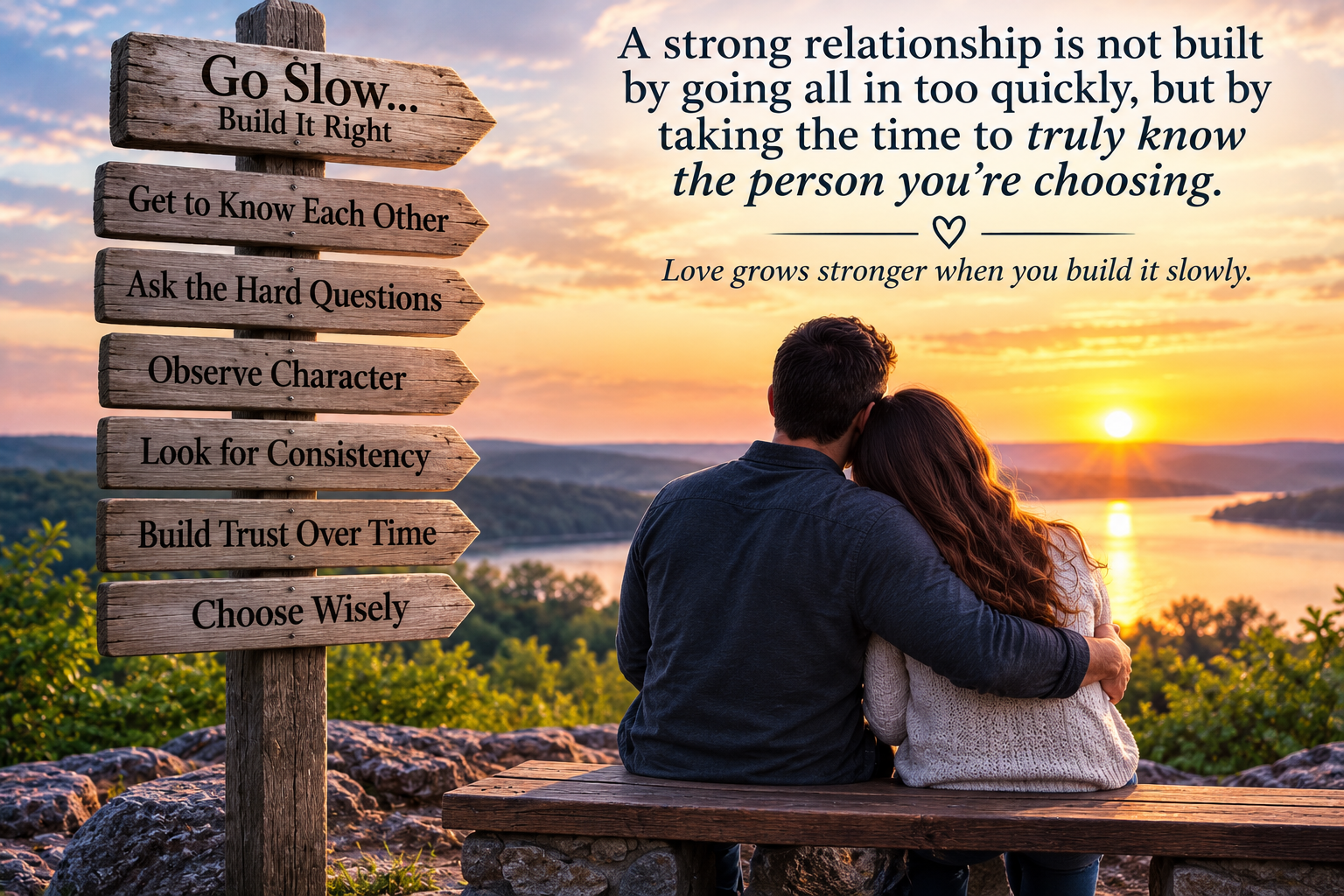
Going All In: The Hidden Risks of Rushing Into a Relationship

There is something undeniably romantic about the phrase “going all in.” Movies celebrate it. Love songs glorify it. Friends often admire people who seem fearless enough to dive headfirst into love. We are told that real love requires vulnerability, commitment, and complete investment.

While commitment is essential for a healthy relationship, there is an important distinction between healthy commitment and premature emotional investment. One is built on knowledge, trust, and experience. The other is often built on hope, attraction, and assumptions.

Many relationships don’t fail because two people were incompatible. They fail because they became emotionally committed long before they truly knew one another.


The Difference Between Attraction and Knowledge

Attraction happens quickly. Knowledge takes time. During the first weeks or months of dating, we naturally see the best version of another person. Psychologists sometimes refer to this as the honeymoon phase, where the brain is flooded with dopamine, oxytocin, and other neurochemicals that create excitement, optimism, and emotional attachment (Fisher, 2004). Unfortunately, these same chemicals can reduce our ability to evaluate a relationship objectively.

When people “go all in” too quickly, they often mistake:

  • Chemistry for compatibility
  • Passion for stability
  • Attention for commitment
  • Potential for reality

Those are not the same things.


We Fall in Love With Who We Think They Are

One of the greatest dangers of rushing a relationship is that we begin filling in the blanks ourselves. Instead of learning who someone truly is, we imagine who they could become. We overlook inconsistencies. We excuse red flags.

We create explanations for behaviors we don’t fully understand. Psychologists call this idealization—seeing another person through the lens of hope rather than reality (Murray, Holmes, & Griffin, 1996). The problem is that relationships are built on reality, not imagination. Eventually, every relationship moves from fantasy to reality. When that happens, many people don’t feel like their partner changed. Instead, they finally see what was there all along.


Emotional Investment Changes Your Judgment

Imagine buying a house. Would you purchase it after walking through the front door for five minutes? Probably not. You would inspect the foundation. Look at the roof. Check for water damage. Review the neighborhood. Ask difficult questions. Relationships deserve at least that much careful consideration. Yet emotionally, many people commit after only a handful of exciting conversations. Once we become emotionally invested, our brains begin protecting that investment.

Instead of asking, “Is this the right person?”

we begin asking, “How can I make this work?”

Those are completely different questions.


The Cost of Ignoring Red Flags

Red flags rarely appear as dramatic warning signs. Most begin as small moments. Perhaps they become irritated when they don’t get their way. Maybe they avoid accountability. Perhaps they speak disrespectfully about former partners. Maybe they struggle with honesty. Perhaps they become controlling in subtle ways. Someone who rushes into commitment often dismisses these concerns because the emotional reward feels greater than the potential risk. Unfortunately, ignored patterns rarely disappear. They usually become stronger. Dating is not primarily about convincing someone to stay. It is about discovering whether staying would be wise.


Love Needs Observation

Healthy relationships require curiosity. Observe how someone handles disappointment. Observe how they manage stress. Observe how they treat people who have nothing to offer them. Observe how they speak about family. Observe whether their words consistently match their actions. Character reveals itself over time. No conversation can replace experience. No promise can replace consistency. No chemistry can replace integrity.


Why Slow Relationships Often Last Longer

Research consistently suggests that relationships built gradually often develop stronger foundations because trust is earned rather than assumed (Stanley, Rhoades, & Markman, 2006). People sometimes fear moving slowly because they worry someone else will “take” the person they’re dating. Ironically, healthy people generally respect appropriate pacing. Individuals who pressure immediate commitment often reveal more about their own insecurity than about their love. Real intimacy grows. It cannot be rushed.


The Difference Between Commitment and Surrender

Healthy commitment says: “I’m choosing you because I know who you are.”

Unhealthy surrender says: “I’m choosing you because I hope you’ll become who I need.”

One is based on evidence. The other is based on emotion. One grows stronger over time. The other becomes increasingly fragile.


Questions Worth Asking Yourself

Before going “all in,” consider asking yourself:

  • What do I actually know about this person’s character?
  • Have I seen them during conflict?
  • How do they respond when they don’t get what they want?
  • Do their actions consistently match their words?
  • Am I attracted to who they are today or who I hope they’ll become?
  • If nothing about this person ever changed, would I still choose this relationship five years from now?

These questions may not feel romantic, but they are deeply loving—because they protect both people from building a relationship on unrealistic expectations.


A Better Way to Love

Moving slowly does not mean loving less. It means loving wisely. Healthy relationships are not races.

They are discoveries. Every shared experience reveals another layer of a person’s character. Trust is built 0through repeated consistency. Respect grows through mutual understanding. Love deepens through truth rather than fantasy.

Going “all in” is admirable when it follows genuine knowledge of another person. Going all in before you truly know someone is less an act of courage than a gamble. The strongest relationships are rarely built by those who rushed toward commitment. They are built by two people who allowed time to reveal character, chose honesty over fantasy, and discovered that lasting love is not found by moving faster—it is found by building a foundation strong enough to support a lifetime.


About the Author

John S. Collier, MSW, LCSW-S is a licensed clinical social worker, therapist, author, and educator with extensive experience helping individuals, couples, and families navigate relationship challenges, anxiety, trauma, and emotional well-being. Throughout his career, he has worked with people from diverse backgrounds, combining evidence-based psychological principles with practical, real-world applications that readers can immediately apply to their daily lives.

John’s writing bridges the gap between academic research and everyday experience, making complex psychological concepts understandable and useful. His work emphasizes emotional maturity, healthy communication, personal responsibility, and building relationships founded on trust, authenticity, and mutual respect. Whether writing about mental health, family dynamics, leadership, or personal growth, his goal is to provide readers with insights that encourage lasting change and healthier, more meaningful lives.

References

Fisher, H. (2004). Why We Love: The Nature and Chemistry of Romantic Love. Henry Holt.

Murray, S. L., Holmes, J. G., & Griffin, D. W. (1996). The benefits of positive illusions: Idealization and the construction of satisfaction in close relationships. Journal of Personality and Social Psychology, 70(1), 79–98.

Stanley, S. M., Rhoades, G. K., & Markman, H. J. (2006). Sliding versus deciding: Inertia and the premarital cohabitation effect. Family Relations, 55(4), 499–509.

Gottman, J. M., & Silver, N. (2015). The Seven Principles for Making Marriage Work (Revised ed.). Harmony Books.


Marriage and Happiness

Marriage is often idealized as the pinnacle of love and fulfillment—a fairy-tale ending where happiness is guaranteed. The idea that marriage is a ticket to perpetual joy, however, is a misguided notion that sets couples up for disappointment. While happiness is an important component of a healthy marriage, entering into matrimony with the sole purpose of achieving personal happiness is a fundamentally flawed premise. True marital satisfaction comes from commitment, mutual growth, and shared purpose rather than the fleeting emotion of happiness.

Happiness is Not a Constant State

One of the greatest misconceptions about marriage is that it will sustain perpetual happiness. However, research in psychology suggests that happiness is a fluctuating emotional state influenced by numerous factors, including individual well-being, life circumstances, and external stressors (Lyubomirsky, 2007). Expecting a spouse to provide continual happiness places undue pressure on the relationship, often leading to dissatisfaction when reality does not match expectations.

Studies indicate that while marriage can contribute to overall well-being, the “honeymoon phase” of heightened happiness typically fades within the first two years (Lucas et al., 2003). Once the initial excitement subsides, couples who entered marriage seeking continuous joy may feel disillusioned, mistaking normal relationship challenges as signs of incompatibility or failure.

Marriage Requires Effort, Not Just Emotion

Sustainable, long-term marriages are not built on transient feelings but on mutual effort and resilience. The work of Dr. John Gottman, a leading marriage researcher, emphasizes that successful relationships depend on factors such as emotional attunement, conflict resolution skills, and shared meaning (Gottman & Silver, 2015). Couples who focus solely on personal happiness often neglect the foundational aspects of a relationship, such as communication, compromise, and commitment.

Instead of seeing marriage as a source of happiness, couples should approach it as a partnership where both individuals strive to build a fulfilling life together. This perspective aligns with findings that marital satisfaction is linked to a shared sense of purpose and emotional support rather than just romantic bliss (Finkel et al., 2014).

Marriage is About Giving, Not Just Receiving

A marriage centered on individual happiness can quickly devolve into a transactional relationship, where each partner evaluates whether they are getting enough personal satisfaction. This mindset undermines the essence of marriage, which thrives on giving rather than just receiving. Research shows that acts of generosity and selflessness within a marriage contribute to deeper satisfaction and long-term stability (Algoe et al., 2010).

When individuals enter marriage with a self-focused mindset, they may struggle with the inevitable sacrifices and compromises that come with a shared life. True marital fulfillment arises when partners prioritize mutual growth, emotional intimacy, and a shared vision rather than individual gratification.

Happiness is a Byproduct, Not the Goal

When marriage is approached with the understanding that happiness is a byproduct of commitment rather than the primary objective, couples are more likely to build enduring relationships. Happiness in marriage stems from deep connection, shared experiences, and the ability to navigate life’s challenges together. Expecting marriage to provide happiness without effort is like expecting a garden to flourish without watering and tending to it.

Instead of asking, “Will marriage make me happy?” a more constructive question is, “Am I ready to commit, grow, and build a life with this person?” When happiness is viewed as a natural consequence of a healthy relationship rather than the sole reason for getting married, couples are better prepared for the realities of a lifelong partnership.

If the primary reason for getting married is to be happy, you may be setting yourself up for disappointment. Happiness is not a permanent state but a byproduct of commitment, mutual support, and shared purpose. A fulfilling marriage requires effort, resilience, and a willingness to grow together, rather than expecting one’s partner to be a constant source of joy. Those who enter marriage with the right mindset—one of dedication and mutual enrichment—are far more likely to experience lasting satisfaction and a deeper, more meaningful connection.


References

  • Algoe, S. B., Gable, S. L., & Maisel, N. C. (2010). It’s the Little Things: Everyday Gratitude as a Booster Shot for Romantic Relationships. Personal Relationships, 17(2), 217–233.
  • Finkel, E. J., Hui, C. M., Carswell, K. L., & Larson, G. M. (2014). The Suffocation of Marriage: Climbing Mount Maslow Without Enough Oxygen. Psychological Inquiry, 25(1), 1–41.
  • Gottman, J. M., & Silver, N. (2015). The Seven Principles for Making Marriage Work. Harmony Books.
  • Lucas, R. E., Clark, A. E., Georgellis, Y., & Diener, E. (2003). Reexamining Adaptation and the Set Point Model of Happiness: Reactions to Changes in Marital Status. Journal of Personality and Social Psychology, 84(3), 527–539.
  • Lyubomirsky, S. (2007). The How of Happiness: A Scientific Approach to Getting the Life You Want. Penguin.
I Can’t stand being told “No”: How to Accept “No” as an Answer from Your Parents

Hearing “no” from your parents can be frustrating, especially when you feel like their decision is unfair or unnecessary. However, learning how to accept “no” as an answer is an important life skill that helps build self-control, patience, and resilience. Understanding why parents say “no” and developing strategies to handle it maturely can improve your relationship with them and help you navigate life’s challenges more effectively.

Why Do Parents Say “No”?

Your parents’ job is to guide and protect you, which means they sometimes have to set limits. Research shows that parental boundaries help teens develop better decision-making skills and prevent impulsive behaviors (Baumrind, 1991). Some common reasons parents say “no” include:

  • Safety Concerns – They want to protect you from harm.
  • Financial Reasons – Some requests may be too expensive.
  • Time Management – They may want you to focus on school, sleep, or family time.
  • Moral or Ethical Concerns – They may be trying to instill values in you.

While it might feel unfair in the moment, their decisions are often made with your best interests in mind.

How to Accept “No” Without Getting Upset

1. Take a Deep Breath and Stay Calm

Reacting with anger or frustration can escalate the situation. Instead, take a moment to breathe and collect your thoughts. Studies on emotional regulation suggest that deep breathing can help reduce stress and improve self-control (Gross, 1998).

2. Listen to Their Explanation

Rather than immediately arguing, listen to your parents’ reasoning. Even if you disagree, understanding their perspective shows maturity and respect. Research on family communication highlights that active listening improves relationships and problem-solving (Smetana, 2011).

3. Ask Questions Respectfully

If you don’t understand why they said no, ask calmly:

  • “Can you help me understand why this isn’t a good idea?”
  • “Is there a way I can prove I’m responsible enough?”

This approach shows that you respect their decision while seeking clarity.

4. Accept Their Decision Without Arguing

Sometimes, your parents’ answer won’t change no matter what. Instead of continuing to argue, acknowledge their response and move on. Constant arguing can lead to unnecessary conflict and resentment (Grusec & Goodnow, 1994).

5. Find an Alternative or Compromise

If their decision affects something important to you, try proposing a compromise. For example:

  • If they say no to going out late, suggest coming home earlier.
  • If they say no to buying something expensive, offer to contribute your own money.

Finding a middle ground can show your responsibility and willingness to cooperate.

6. Remember That “No” is Not Personal

It’s easy to feel like a “no” means your parents don’t trust or care about you, but that’s not the case. Their decisions are often based on experience and concern for your well-being. Studies show that teens who perceive parental rules as caring rather than controlling develop healthier independence (Deci & Ryan, 1985).

7. Focus on the Bigger Picture

In the moment, getting a “no” may feel like the end of the world, but ask yourself:

  • Will this still matter a week from now?
  • Is this decision really unfair, or just disappointing?

Practicing perspective-taking helps you handle setbacks in a more balanced way (Hoffman, 2000).

Accepting “no” as an answer from your parents is tough, but it’s a valuable skill that will benefit you throughout life. Learning to stay calm, listen, and respond respectfully helps build stronger relationships, develop patience, and prove your maturity. Even when you don’t agree with their decision, handling it well can lead to more trust and independence in the future.

This article has been written by John S. Collier, MSW, LCSW-S. Mr. Collier has over 25 years of experience in the Socia Work field. He currently serves as the Executive Director of Southeast Kentucky Behavioral Health, LLC based out of London Kentucky. He may be reached at (606) 657-0532 or by email at john@sekybh.com.


References

  • Baumrind, D. (1991). The influence of parenting style on adolescent competence and substance use. Journal of Early Adolescence, 11(1), 56-95.
  • Deci, E. L., & Ryan, R. M. (1985). Intrinsic motivation and self-determination in human behavior. Springer.
  • Gross, J. J. (1998). The emerging field of emotion regulation: An integrative review. Review of General Psychology, 2(3), 271-299.
  • Grusec, J. E., & Goodnow, J. J. (1994). Impact of parental discipline methods on the child’s internalization of values. Developmental Psychology, 30(1), 4-19.
  • Hoffman, M. L. (2000). Empathy and moral development: Implications for caring and justice. Cambridge University Press.
  • Smetana, J. G. (2011). Adolescents, families, and social development: How teens construct their worlds. Wiley.
What Does It Mean to Love Your Wife?

Loving one’s wife is a fundamental aspect of a strong and enduring marriage. It extends beyond mere words or fleeting emotions and is demonstrated through actions, commitment, and intentional effort. The concept of love within marriage has been explored in psychological, philosophical, and religious contexts, with varying interpretations of how love is best expressed. This article examines what it means to love one’s wife, drawing on research from psychology, relationship counseling, and philosophy.

Understanding Love in Marriage

Love in marriage is multidimensional, encompassing emotional, intellectual, and physical connections. Sternberg’s Triangular Theory of Love (1986) identifies three core components of love: intimacy, passion, and commitment (Sternberg, 1986). A balanced marriage integrates these elements, fostering a deep and fulfilling relationship.

  1. Intimacy – This involves deep emotional closeness, vulnerability, and a sense of connection. It is built through trust, empathy, and consistent communication (Gottman & Silver, 2015).
  2. Passion – Passion entails romantic attraction and physical affection. While it may fluctuate over time, intentional efforts to nurture attraction and express love physically are vital (Hatfield & Walster, 1978).
  3. Commitment – A long-term decision to prioritize the well-being and happiness of one’s spouse despite life’s challenges. This aspect of love is what sustains a relationship through difficulties (Stanley, 2005).

Demonstrating Love in Practical Ways

To truly love one’s wife means translating emotional affection into meaningful actions. Here are several key ways to do so:

1. Practicing Emotional Attunement :

Loving one’s wife requires actively listening and responding to her emotional needs. Dr. John Gottman, a renowned relationship expert, emphasizes the importance of turning toward one’s partner instead of away when discussing emotions (Gottman & Silver, 2015). This means being present, validating her feelings, and offering support rather than dismissing concerns.

2. Acts of Service and Sacrifice

Love often involves selflessness. Gary Chapman’s Five Love Languages (1992) identifies acts of service as a key way many individuals feel loved. Helping with household responsibilities, supporting her goals, and prioritizing her well-being are clear demonstrations of love.

3. Communicating Affection and Appreciation

Verbal affirmations, such as expressing gratitude and admiration, strengthen emotional intimacy (Chapman, 1992). Simple words of encouragement and affirmation, such as “I appreciate you” or “I love you,” reinforce a strong emotional bond.

4. Prioritizing Quality Time

Spending intentional time together, without distractions, cultivates closeness. Studies suggest that couples who engage in shared activities and date nights experience greater relationship satisfaction (Ogolsky, 2020).

5. Nurturing Physical and Romantic Connection

Physical intimacy, including affectionate gestures like holding hands, hugging, and maintaining a fulfilling sex life, plays a crucial role in sustaining a healthy marriage (Hatfield & Rapson, 1993). Physical touch is a powerful way to communicate love and security.

6. Supporting Her Growth and Well-Being

Loving one’s wife includes supporting her personal and professional aspirations. Encouraging her ambitions and well-being contributes to her happiness and strengthens the partnership (Aron et al., 2000).

7. Remaining Loyal and Trustworthy

Trust is the foundation of love. Maintaining honesty, faithfulness, and integrity in words and actions fosters a secure and lasting marriage (Stanley, 2005).

Loving one’s wife is an active and lifelong commitment. It requires effort, intentionality, and a deep understanding of her emotional and relational needs. By practicing emotional attunement, expressing love through actions, and prioritizing the relationship, a husband can create a marriage that thrives on deep, enduring love.

John S. Collier, MSW, LCSW, is a licensed clinical social worker based in London, Kentucky. With years of experience in behavioral health therapy, he specializes in relationship counseling, trauma-informed care, and family dynamics. Mr. Collier has worked extensively with couples, helping them build stronger emotional connections and develop healthy communication patterns. His expertise in marriage counseling is grounded in evidence-based therapeutic approaches, drawing from attachment theory, cognitive-behavioral therapy, and mindfulness practices. Passionate about strengthening relationships, John continues to provide guidance and support to individuals and couples navigating the complexities of love, commitment, and emotional well-being.

References

  • Aron, A., Aron, E. N., Tudor, M., & Nelson, G. (2000). Close relationships as including other in the self. Journal of Personality and Social Psychology, 78(4), 599-612.
  • Chapman, G. (1992). The Five Love Languages: How to Express Heartfelt Commitment to Your Mate. Northfield Publishing.
  • Gottman, J. M., & Silver, N. (2015). The Seven Principles for Making Marriage Work. Harmony.
  • Hatfield, E., & Rapson, R. L. (1993). Love, Sex, and Intimacy: Their Psychology, Biology, and History. HarperCollins.
  • Hatfield, E., & Walster, G. W. (1978). A New Look at Love. University Press of America.
  • Ogolsky, B. G. (2020). The Science of Couple and Family Relationships. Routledge.
  • Stanley, S. M. (2005). The Power of Commitment: A Guide to Active, Lifelong Love. Jossey-Bass.
  • Sternberg, R. J. (1986). A triangular theory of love. Psychological Review, 93(2), 119-135.