WELCOME
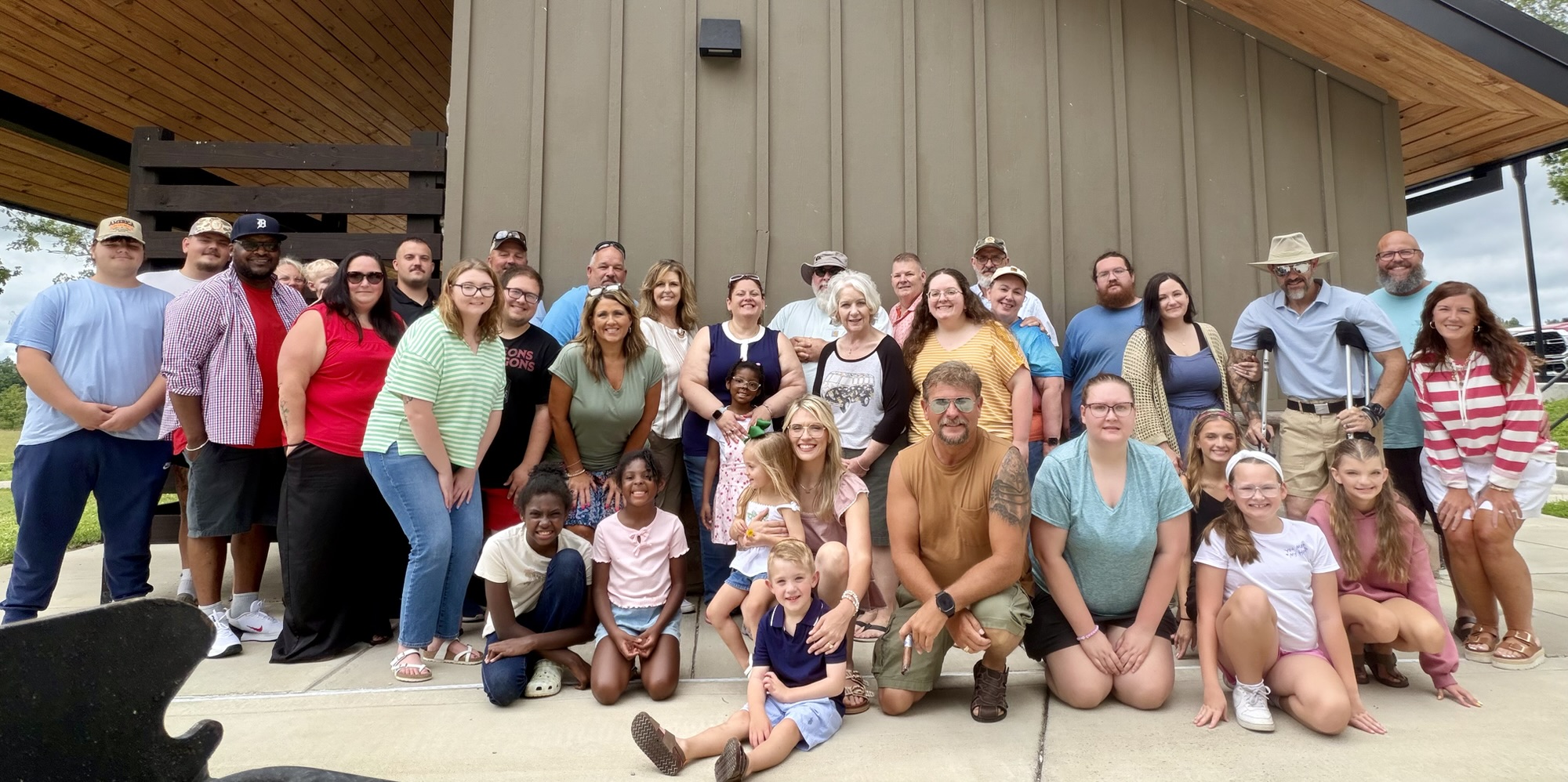
🌳 SEKYBH Family Picnic 2026 🌳

Today, Southeast Kentucky Behavioral Health gathered at Levi Jackson Wilderness Road Park for a wonderful day with our employees and their families. We enjoyed great food, played games, held a raffle, gave away prizes, shared plenty of laughter, and simply enjoyed spending time together outside of the workplace.

We were also proud to collect a large amount of school supplies that will be donated to children throughout Laurel County. We are grateful to everyone who contributed and helped us continue our commitment to supporting the communities we serve. 🎒✏️📚

Although not all of our employees and their families were able to attend, we had a great turnout. The weather was wonderful—but the company was even better.

Southeast Kentucky Behavioral Health is more than a workplace. We are a team, a community, and, in many ways, a work family. Days like today remind us of the importance of taking time to connect, laugh, build relationships, and celebrate the people who make our organization what it is.

Thank you to everyone who attended, brought food, donated school supplies, helped organize activities, and made today such a memorable event. I am already looking forward to more opportunities to gather and create memories with our SEKYBH work family! 💚🧡💙

🎄✨ Southeast Kentucky Behavioral Health proudly supports the Angel Tree Program! ✨🎄Angel Tree

This holiday season, our team is honored to help bring joy and hope to children across our community through the Angel Tree Program. 💝

By partnering in this meaningful cause, we’re helping ensure that every child feels the love, warmth, and generosity of Christmas. Together, we can make a difference—one gift, one smile, one act of kindness at a time.

💫 Join us in spreading the spirit of giving this season!

#SEKYBH #AngelTree #CommunityMatters #GivingBack #ChristmasJoy #KentuckyStrong #HopeForTheHolidays

Supporting Veterans and Their Mental Health: A National Responsibility

Veterans have served their country with dedication and, upon returning to civilian life, often face numerous challenges that require our support and understanding. Many veterans experience significant mental health issues, including post-traumatic stress disorder (PTSD), depression, anxiety, and substance use disorders. These challenges can hinder their ability to reintegrate into civilian life and maintain relationships, employment, and a healthy lifestyle. Recognizing the mental health needs of veterans and implementing effective support strategies is crucial for honoring their service and supporting their well-being.

The Mental Health Landscape for Veterans

Veterans are at a higher risk of mental health issues compared to the general population. A report from the U.S. Department of Veterans Affairs (VA) indicated that approximately 11-20% of veterans who served in Iraq and Afghanistan suffer from PTSD in any given year, and the prevalence is even higher among those who served in the Vietnam War (U.S. Department of Veterans Affairs, 2022). Additionally, veterans are at an increased risk for depression, anxiety, and substance abuse issues, with research suggesting that over 25% of veterans experience symptoms related to depression and other mood disorders (Hoge et al., 2004).

A primary cause of these mental health challenges is the exposure to trauma and high-stress situations during service. Repeated exposure to combat, violence, and injury can leave lasting psychological scars that are difficult to heal. This stress may also exacerbate pre-existing mental health issues, making it even more difficult for veterans to transition back to civilian life.

Barriers to Mental Health Care for Veterans

While the VA and other organizations offer resources for veterans, barriers to accessing mental health care persist. According to the RAND Corporation, veterans may face significant obstacles, such as long wait times for appointments, stigma surrounding mental health, and a lack of providers who understand military culture (Tanielian et al., 2018). This stigma can prevent veterans from seeking help, as they may feel that mental health challenges are a sign of weakness or that others will not understand their experiences.

Rural veterans often face additional obstacles due to the lack of nearby mental health resources. Research has shown that nearly a quarter of all veterans live in rural areas, where specialized mental health services may be limited (Weeks et al., 2008). Telemedicine and virtual counseling have helped bridge some of these gaps, but there remains a need for more accessible, culturally informed care tailored to the unique needs of veterans.

Strategies for Supporting Veterans’ Mental Health

  1. Increasing Access to Mental Health Services:
    Expanding mental health resources specifically tailored for veterans is essential. The VA and other organizations are implementing initiatives to reduce wait times, increase the availability of telehealth services, and provide alternative therapies, such as art therapy, music therapy, and mindfulness practices (U.S. Department of Veterans Affairs, 2022). Community-based programs can also provide veterans with accessible care, particularly in rural areas.
  2. Building a Community of Support:
    Peer support programs can be highly effective for veterans, as they allow veterans to connect with others who have had similar experiences. Programs like the Veterans Crisis Line and the VA’s Peer Support program connect veterans with trained peers, who provide support, understanding, and guidance. Research suggests that peer support reduces PTSD symptoms and increases veterans’ willingness to seek help (Resnick et al., 2012).
  3. Reducing Stigma through Public Awareness:
    Public awareness campaigns can play a crucial role in reducing stigma around veterans’ mental health issues. Campaigns should focus on educating both veterans and the general public about the commonality of mental health challenges, emphasizing that seeking help is a sign of strength. The VA’s “Make the Connection” campaign is an example of an initiative aimed at reducing stigma and encouraging veterans to pursue mental health treatment (U.S. Department of Veterans Affairs, 2022).
  4. Encouraging Family Involvement and Support:
    Family members can be a crucial source of support for veterans dealing with mental health issues. Programs that educate family members about PTSD, depression, and other mental health conditions can equip them to support their loved ones effectively. Involving families in therapy sessions can also create a support network that extends beyond formal mental health services, which may improve outcomes for veterans (Monson et al., 2006).
  5. Employment and Reintegration Support:
    Meaningful employment can significantly impact veterans’ mental health and quality of life. Programs like the VA’s Vocational Rehabilitation and Employment services provide veterans with job training, career counseling, and job placement assistance, helping veterans reintegrate into civilian life (U.S. Department of Veterans Affairs, 2022). Research shows that veterans who find stable employment report higher levels of satisfaction and mental well-being (Resnik et al., 2012).

A Call to Action

Supporting veterans’ mental health is not only a moral duty but also a way to ensure the well-being of individuals who have made profound sacrifices. By addressing the barriers veterans face in accessing mental health care, expanding peer support networks, reducing stigma, and providing employment and family support, society can help veterans lead healthier and more fulfilling lives. Moreover, these actions honor their service by providing the respect, care, and compassion they deserve.

We must continue to advocate for policies that support veterans’ mental health, fund research into effective treatments, and raise public awareness about the unique challenges veterans face. Providing veterans with the resources and support they need to thrive is one of the most meaningful ways we can repay them for their service and dedication to our country.

This article has been written by John S. Collier, MSW, LCSW. Mr. Collier has over 25 years of experience in the social work field and is based in London Kentucky through Southeast Kentucky Behavioral Health, LLC. Mr. Collier may be reached by phone at (606) 657–0532 extension 101 or by email at john@sekybh.com.


References

Hoge, C. W., Castro, C. A., Messer, S. C., McGurk, D., Cotting, D. I., & Koffman, R. L. (2004). Combat duty in Iraq and Afghanistan, mental health problems, and barriers to care. New England Journal of Medicine, 351(1), 13-22.

Monson, C. M., Schnurr, P. P., Stevens, S. P., & Guthrie, K. A. (2006). Cognitive-behavioral conjoint therapy for PTSD: Pilot results from a community sample. Journal of Traumatic Stress, 19(3), 289-299.

Resnick, S. G., & Rosenheck, R. A. (2012). Integrating peer-provided services: A quasi-experimental study of recovery orientation, confidence, and empowerment. Psychiatric Services, 63(6), 541-547.

Tanielian, T., Jaycox, L. H., & RAND Corporation. (2008). Invisible Wounds of War: Psychological and Cognitive Injuries, Their Consequences, and Services to Assist Recovery. RAND Corporation.

U.S. Department of Veterans Affairs. (2022). PTSD: National Center for PTSD. https://www.ptsd.va.gov

How Can You Help Your Community?

Contributing to the well-being of your community is one of the most impactful ways to create positive change on both local and personal levels. Community engagement not only improves the quality of life for those around you, but it also fosters a sense of belonging, personal fulfillment, and collective responsibility. Whether through volunteering, supporting local businesses, or advocating for causes that matter, there are many ways to help your community. This article explores key strategies for making a difference, backed by research and expert recommendations.

1. Volunteer Your Time

One of the most direct ways to help your community is by volunteering. Giving your time to local organizations, charities, or initiatives can address immediate needs, build stronger social ties, and improve overall community cohesion. Research shows that communities with high levels of volunteerism often experience better health outcomes, lower crime rates, and stronger social networks (Wilson, 2000).

Whether it’s serving meals at a shelter, tutoring children, or cleaning up local parks, volunteering offers a hands-on way to make a tangible difference. Moreover, a study published in Social Science & Medicine found that volunteering can also have mental health benefits for volunteers, including reducing symptoms of depression and boosting feelings of life satisfaction (Jenkinson et al., 2013).

2. Support Local Businesses

Local businesses are often the backbone of a community, providing jobs, services, and a unique cultural identity. By choosing to shop locally, you help support the local economy and ensure the survival of independent businesses. A study by the Institute for Local Self-Reliance found that local businesses reinvest a larger share of their revenue into the local economy compared to national chains (Mitchell, 2010). This reinvestment strengthens the economic stability of the community.

In addition to shopping locally, you can support small businesses by spreading the word about them through social media, participating in community events they host, or even offering your skills to help them thrive.

3. Participate in Civic Engagement

Civic engagement is another crucial way to contribute to your community. This includes participating in local government meetings, joining neighborhood associations, or even organizing town hall discussions. By being involved in civic life, you help shape decisions that directly affect your community.

Engaging with local politics ensures that the voices of everyday citizens are heard and that decisions reflect the needs of the broader population. According to the Journal of Public Affairs, communities with higher rates of civic engagement tend to experience more responsive governance, greater social equity, and improved public services (Zukin et al., 2006).

4. Mentor or Educate Others

Mentorship and education are powerful ways to uplift individuals within your community, particularly younger generations. By offering guidance, whether formally or informally, you can help others navigate challenges, pursue goals, and build confidence.

Studies show that mentorship programs, particularly for youth, can have profound long-term benefits, including improved academic performance, higher self-esteem, and better career outcomes (Rhodes et al., 2002). Whether you’re mentoring a young person in a formal program or offering informal advice to someone in your neighborhood, your experience and wisdom can have a lasting impact.

In addition, offering free workshops or classes in areas where you have expertise—such as financial literacy, computer skills, or even gardening—can empower others to develop skills that will benefit both them and the broader community.

5. Organize Community Clean-Up Events

Environmental stewardship is another significant way to contribute to your community. Organizing or participating in a community clean-up event not only improves the physical appearance of your neighborhood but also promotes environmental responsibility. Clean-up events can target parks, streets, beaches, or other public areas that could benefit from beautification efforts.

Research has shown that cleaner environments foster a greater sense of community pride and well-being. A study published in The Journal of Environmental Psychology found that individuals who live in cleaner, well-maintained environments report higher levels of happiness and community satisfaction (Krause, 2011). By taking the lead in organizing or joining clean-up events, you can make your community a more pleasant and inviting place for everyone.

6. Advocate for Social Change

Advocating for social change is another impactful way to help your community, particularly when it comes to addressing issues like inequality, poverty, or access to education. Whether through grassroots activism, joining a nonprofit organization, or using social media platforms to raise awareness, advocating for important issues can lead to meaningful changes in your community.

Research published in Social Forces highlights the effectiveness of local activism in bringing about social change, particularly when communities unite around a shared cause (McAdam & Boudet, 2012). For example, efforts to improve access to affordable housing or to promote environmental sustainability can have long-lasting benefits for future generations.

7. Donate to Causes or Individuals in Need

Financial contributions to local charities, shelters, schools, or even individuals in need are vital to sustaining community support systems. For those unable to donate large sums of money, small and consistent contributions can still have a meaningful impact. Charitable giving not only provides resources to those in need but also strengthens the overall infrastructure of support within a community.

According to a report by the National Philanthropic Trust, Americans donated over $471 billion to charitable causes in 2020, with individual giving accounting for the largest portion of this total (NPT, 2020). These donations helped provide food, healthcare, education, and other services to countless people across the country. Even small contributions can go a long way in making a difference.

8. Build a Sense of Community Through Events

Organizing or participating in community events—such as potlucks, festivals, or block parties—is an effective way to foster connections and build a sense of belonging. These events create opportunities for neighbors to get to know each other, share experiences, and strengthen social bonds. Communities with strong social ties are more resilient in the face of challenges, from natural disasters to economic downturns (Putnam, 2000).

Events also provide a platform for celebrating the unique culture, history, and diversity within a community. By coming together for shared activities, people can feel more connected and invested in the well-being of their neighborhood.

9. Promote Inclusivity and Support Marginalized Groups

One of the most important ways to help your community is by promoting inclusivity and supporting marginalized groups. Whether through direct action, advocacy, or creating safe spaces for open dialogue, fostering an inclusive community ensures that everyone feels welcome and valued, regardless of race, gender, religion, or socioeconomic status.

Research has shown that communities that prioritize inclusivity experience higher levels of social trust, cooperation, and overall well-being (Putnam, 2007). By actively working to break down barriers and address systemic inequalities, you can help create a more just and supportive environment for all community members.

10. Offer Emotional Support and Kindness

Finally, one of the simplest yet most profound ways to help your community is through small acts of kindness and emotional support. Reaching out to neighbors, offering a listening ear, or simply being there for someone in need can make a significant difference in someone’s life.

Studies have shown that acts of kindness contribute to increased feelings of happiness and social connectedness, not just for the recipient but also for the giver (Lyubomirsky et al., 2005). In times of crisis or stress, offering emotional support and kindness can be a powerful way to foster a sense of unity and solidarity within your community.

Conclusion

Helping your community can take many forms, from volunteering and mentoring to advocating for change and promoting inclusivity. Each of these actions, whether big or small, contributes to the overall well-being of the community and strengthens the social fabric that holds it together. By getting involved, you not only improve the lives of those around you but also experience the personal fulfillment that comes from making a positive impact.

This article me has been written by John S. Collier. Mr. Collier has over 25 years in the social work field. He may be reached at 6066570532 extension 101 or by email at john@sekybh.com.

. References

• Jenkinson, C. E., Dickens, A. P., Jones, K., Thompson-Coon, J., Taylor, R. S., Rogers, M., & Bambra, C. L. (2013). Is Volunteering a Public Health Intervention? A Systematic Review and Meta-Analysis of the Health and Survival of Volunteers. Social Science & Medicine, 96, 26-34.

• Krause, A. (2011). Cleaner Environments and Happier People: The Psychological Impact of Environmental Cleanliness. Journal of Environmental Psychology, 31(1), 18-24.

• Lyubomirsky, S., Sheldon, K. M., & Schkade, D. (2005). Pursuing Happiness: The Architecture of Sustainable Change. Review of General Psychology, 9(2), 111-131.

• McAdam, D., & Boudet, H. S. (2012). Putting Social Movements in Their Place: Explaining Opposition to Energy Projects in the United States, 2000-2005. Social Forces, 91(1), 37-68.

• Mitchell, S. (2010). Why Local Matters: Rebuilding Our Communities and Economies from the Ground Up. Institute for Local Self-Reliance.

• National Philanthropic Trust. (2020). Charitable Giving Statistics. Retrieved from National Philanthropic Trust.

• Putnam, R. D. (2000). Bowling Alone: The Collapse and Revival of American Community. Simon & Schuster.

• Putnam, R. D. (2007). E Pluribus Unum: Diversity and Community in the Twenty-First Century. Scandinavian Political Studies, 30(2), 137-174.

• Rhodes, J. E., Grossman, J. B., & Resch, N. L. (2002). Agents of Change: