
WELCOME
The High That Can Hurt: When New Love Feels Too Good

When you meet someone new and exciting, your brain lights up in powerful ways. Your heart races, your thoughts stay on them, and everything feels brighter. This feeling is often called a “dopamine rush.” While it can feel amazing, it can also be risky if we don’t understand what’s happening inside us.

What Is Dopamine?

Dopamine is a chemical in the brain that helps control pleasure, reward, and motivation. When something feels good—like eating your favorite food or getting a compliment—dopamine is released. It tells your brain, “This is important. Do it again.”

When you meet someone new and feel attracted to them, dopamine levels can spike. This creates feelings of excitement, energy, and even obsession (Fisher, 2016). It’s the same system involved in other rewarding behaviors, including gambling and substance use.

Why New Attraction Feels So Intense

The early stage of attraction is often called “infatuation” or “romantic passion.” During this time, the brain releases not just dopamine, but also other chemicals like norepinephrine and serotonin. Together, these chemicals can make you feel:

  • Excited and energized
  • Focused almost entirely on the other person
  • Less interested in sleep or food
  • Overly hopeful or idealistic

This is why people sometimes say they feel “high on love.” In fact, brain scans show that romantic attraction activates the same reward pathways as addictive substances (Aron et al., 2005).

When the Dopamine Rush Becomes Dangerous

While this feeling can be enjoyable, it can also lead to poor decisions. The dopamine rush can cloud judgment and make someone ignore warning signs or “red flags.” You may see the person as perfect, even when there are clear concerns.

Here are some ways it can become unhealthy:

1. Ignoring Red Flags
You may overlook behaviors that would normally concern you, such as dishonesty, disrespect, or inconsistency.

2. Moving Too Fast
The intense feeling can push people to rush into relationships, commitment, or emotional attachment before truly knowing the other person.

3. Emotional Dependency
You may begin to rely on that person for happiness, leading to anxiety when they are not around or not responding.

4. Addiction-Like Patterns
Because dopamine is involved in reward, some people chase the “high” of new relationships rather than building stable, healthy ones (Volkow et al., 2011).

The Crash After the High

Dopamine highs do not last forever. Over time, the brain adjusts, and those intense feelings begin to fade. This is normal. However, when someone becomes attached to the feeling instead of the person, they may feel disappointed, restless, or even bored.

This can lead to a cycle of constantly seeking new excitement rather than building long-term connection. Healthy relationships shift from intense highs to steady trust, respect, and emotional safety.

How to Stay Grounded

You don’t have to avoid excitement—but it helps to stay aware. Here are a few simple ways to stay balanced:

  • Take things slow, even if it feels hard
  • Pay attention to actions, not just feelings
  • Talk to trusted friends or family for perspective
  • Keep your normal routines and responsibilities
  • Notice if you feel anxious, not just excited

Being aware of the dopamine rush allows you to enjoy connection without losing yourself in it.

Final Thoughts

The excitement of meeting someone new can feel powerful and even life-changing. But not every strong feeling is a sign of something lasting. Sometimes, it is simply your brain responding to novelty and reward. Understanding this can help you make better choices, protect your emotional health, and build relationships that are not just exciting—but also safe and real.


About the Author

John S. Collier, MSW, LCSW, is a licensed clinical social worker based in Kentucky with extensive experience in behavioral health, relationship dynamics, and emotional wellness. He specializes in helping individuals understand the connection between brain chemistry and behavior, guiding clients toward healthier relationships and improved emotional regulation. Through his writing and clinical work, John focuses on practical, real-world applications of psychological principles to everyday life.


References

Aron, A., Fisher, H., Mashek, D. J., Strong, G., Li, H., & Brown, L. L. (2005). Reward, motivation, and emotion systems associated with early-stage intense romantic love. Journal of Neurophysiology, 94(1), 327–337. https://doi.org/10.1152/jn.00838.2004

Fisher, H. (2016). Anatomy of love: A natural history of mating, marriage, and why we stray. W. W. Norton & Company.

Volkow, N. D., Wang, G. J., Fowler, J. S., & Tomasi, D. (2011). Addiction circuitry in the human brain. Annual Review of Pharmacology and Toxicology, 52, 321–336. https://doi.org/10.1146/annurev-pharmtox-010611-134625
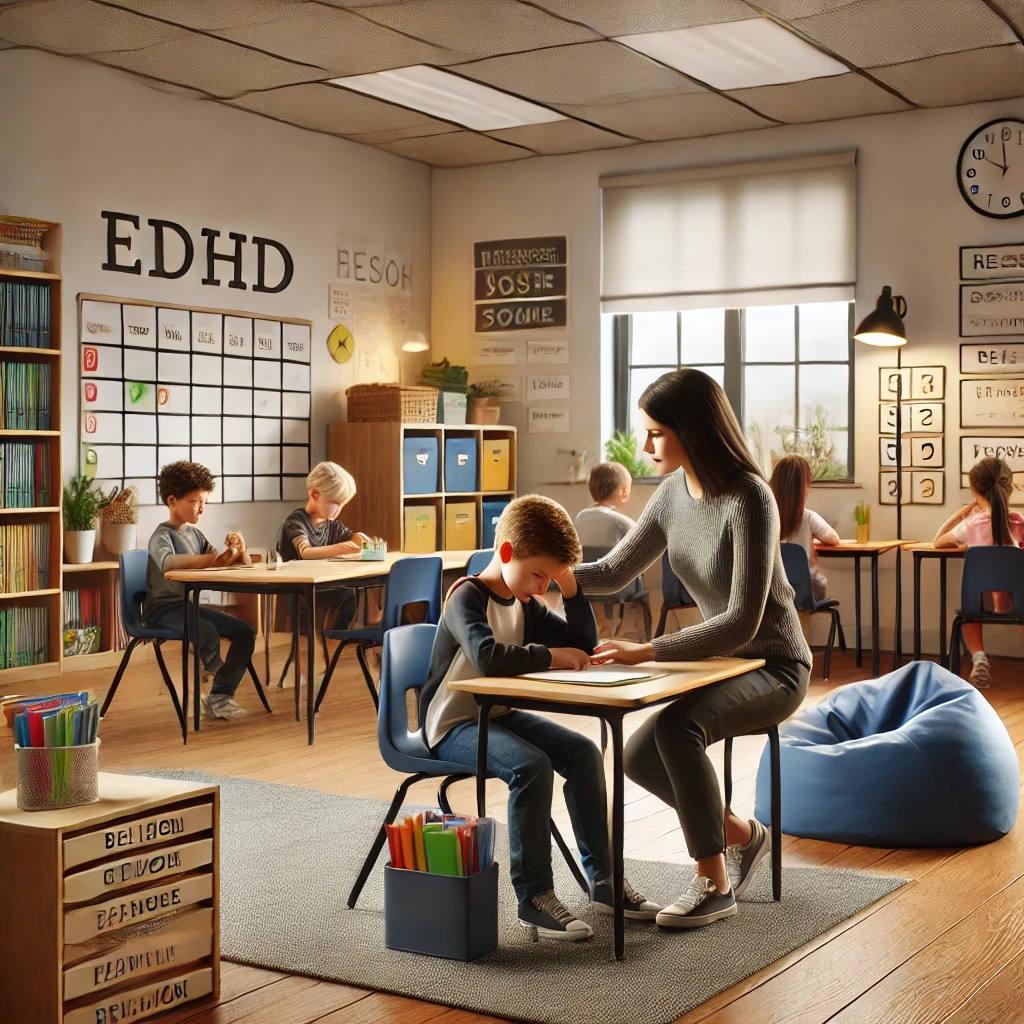

Supporting Children with ADHD in Schools: Strategies for Educational Success

Attention-Deficit/Hyperactivity Disorder (ADHD) affects many children and can present challenges in educational settings, including difficulties with focus, organization, and emotional regulation. However, with proper support, schools can play a crucial role in helping children with ADHD thrive academically and socially. This article outlines evidence-based strategies that educators and administrators can implement to support children with ADHD in achieving educational success.

1. Provide Structured and Predictable Routines

Children with ADHD benefit from consistent routines that reduce uncertainty and help them focus.

• Why it works: Predictable schedules minimize distractions and promote self-regulation (Barkley, 2021).

• Implementation: Schools can use visual schedules, consistent class routines, and clear transitions between activities. Providing a daily agenda at the beginning of the day can help students anticipate tasks and prepare mentally.

2. Use Individualized Education Plans (IEPs) and 504 Plans

For students with ADHD, accommodations through IEPs or 504 Plans can address their unique needs.

• Why it works: These plans allow for tailored interventions, helping students access the curriculum effectively (DuPaul & Stoner, 2014).

• Implementation: Accommodations may include extended test time, preferential seating, or modified assignments to reduce cognitive overload.

3. Incorporate Movement Breaks

Frequent physical activity helps children with ADHD regulate their energy and improve focus.

• Why it works: Research shows that movement increases dopamine levels, enhancing attention and motivation (Halperin et al., 2020).

• Implementation: Integrate short movement breaks, such as stretching, walking, or classroom yoga, between lessons. Schools can also provide fidget tools or standing desks for students who struggle with sitting still.

4. Offer Clear and Concise Instructions

Children with ADHD often struggle with processing lengthy or complex directions.

• Why it works: Simplifying instructions reduces cognitive strain and helps students stay focused (Zentall, 2015).

• Implementation: Use step-by-step directions, written instructions, and visual aids. Check for understanding by having students repeat instructions back to the teacher.

5. Provide Positive Reinforcement

Reinforcing positive behavior can motivate students with ADHD to stay on task and meet expectations.

• Why it works: Positive reinforcement fosters a growth mindset and builds self-esteem (Millichap, 2021).

• Implementation: Use praise, reward systems, or token economies to celebrate small successes. Focus on effort and improvement rather than solely on outcomes.

6. Create an ADHD-Friendly Classroom Environment

A well-structured and minimally distracting classroom can help students stay focused.

• Why it works: Environmental adjustments reduce sensory overload and support sustained attention (Pfeiffer, 2022).

• Implementation: Use organizational tools like color-coded folders, labeled bins, and clutter-free desks. Position students away from high-traffic areas and provide quiet zones for focused work.

7. Teach Executive Function Skills

Children with ADHD often need support developing skills such as time management and organization.

• Why it works: Strengthening executive function helps students manage their workload and responsibilities (Zelazo & Lyons, 2012).

• Implementation: Introduce tools like planners, checklists, and digital calendars. Teach students to break down assignments into smaller steps and set achievable goals.

8. Foster Open Communication with Families

Collaboration with parents ensures consistency in strategies used at home and school.

• Why it works: A team-based approach improves problem-solving and creates a unified support system (DuPaul et al., 2011).

• Implementation: Schedule regular parent-teacher conferences, send home progress reports, and maintain open lines of communication via email or apps.

9. Provide Social-Emotional Support

Children with ADHD often face challenges with peer relationships and emotional regulation.

• Why it works: Social-emotional learning (SEL) programs improve self-awareness, empathy, and interpersonal skills (Elias et al., 2015).

• Implementation: Incorporate SEL lessons into the curriculum and provide access to school counselors for emotional support. Use role-playing activities to teach conflict resolution and social skills.

10. Leverage Technology

Technology can help students with ADHD stay organized and engaged in their learning.

• Why it works: Digital tools cater to diverse learning styles and help students track tasks and deadlines (Radesky et al., 2020).

• Implementation: Use apps like ClassDojo for behavior tracking, Google Calendar for scheduling, or gamified learning platforms to maintain engagement.

Schools have a vital role in supporting children with ADHD by creating inclusive environments, providing individualized accommodations, and teaching skills that foster independence. Through structured routines, positive reinforcement, and open communication with families, schools can empower children with ADHD to succeed academically and socially.

This article was written by John S. Collier, MSW, LCSW. Mr. Collier has over 25 years experience in the social work field. He currently serves as the executive Director and outpatient behavioral health therapist through Southeast Kentucky Behavioral health based out of London Kentucky. John may be reached by phone at 606-657-0532 extension 101 or by email at john@sekybh.com.

References

• Barkley, R. A. (2021). Taking Charge of ADHD: The Complete, Authoritative Guide for Parents. Guilford Press.

• DuPaul, G. J., & Stoner, G. (2014). ADHD in the Schools: Assessment and Intervention Strategies. Guilford Publications.

• DuPaul, G. J., et al. (2011). Home-school collaboration in ADHD management. School Psychology Review, 40(4), 494-512.

• Elias, M. J., et al. (2015). Promoting Social and Emotional Learning: Guidelines for Educators. ASCD.

• Halperin, J. M., et al. (2020). Physical activity intervention improves sustained attention and executive functioning in children with ADHD. Journal of Attention Disorders, 24(10), 1408-1415.

• Millichap, J. G. (2021). Attention Deficit Hyperactivity Disorder Handbook: A Physician’s Guide to ADHD. Springer.

• Pfeiffer, S. (2022). Routines for children with ADHD: Why they matter and how to build them. Psychology Today.

• Radesky, J., et al. (2020). Digital technology and ADHD: Benefits and risks. Pediatrics, 145(S2), S157-S162.

• Zentall, S. S. (2015). Environmental support for children with ADHD. Behavioral Interventions, 30(3), 153-164.

• Zelazo, P. D., & Lyons, K. E. (2012). Mindfulness training in childhood. Developmental Psychology, 48(5), 1023-1031.