This holiday season, our team is honored to help bring joy and hope to children across our community through the Angel Tree Program. 💝
By partnering in this meaningful cause, we’re helping ensure that every child feels the love, warmth, and generosity of Christmas. Together, we can make a difference—one gift, one smile, one act of kindness at a time.
💫 Join us in spreading the spirit of giving this season!
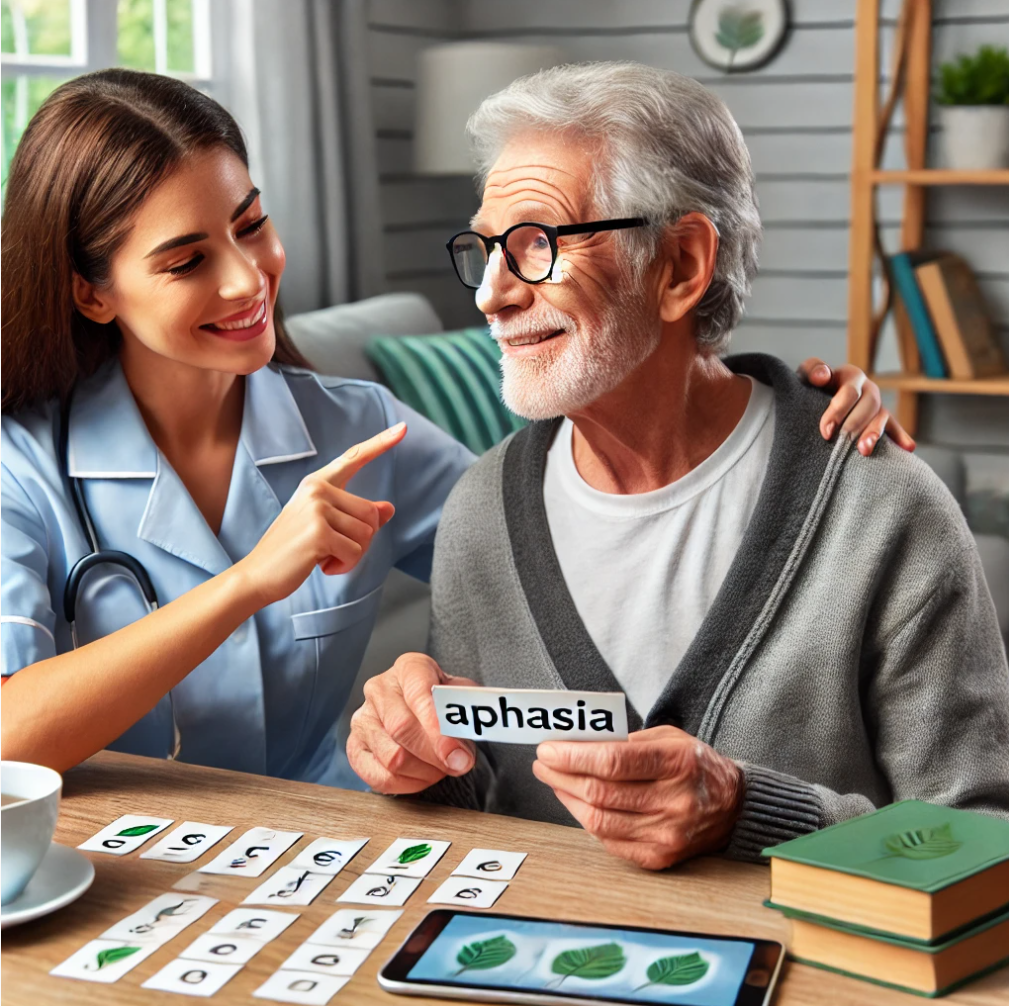
Aphasia is a condition that makes it hard for people to speak, understand words, read, or write. It usually happens after a stroke or brain injury. Some people with aphasia have trouble finding the right words, while others may not understand what is being said to them. Even though aphasia can be frustrating, there are many ways to improve communication every day.
1. Practice Speaking Every Day
Using words as much as possible can help the brain heal and improve speech. Studies show that people who practice speaking often get better over time (Brady et al., 2016). Here are some simple ways to practice:
Read Out Loud: Reading books, newspapers, or even food labels can help with word recall.
Describe Objects: Look at things around you and try to name them. For example, if you see a chair, say “chair” out loud.
Sing Songs: Singing can help with speech. Many people with aphasia find it easier to sing than to talk (Racette, Bard, & Peretz, 2006).
2. Use Other Ways to Communicate
Speaking is not the only way to communicate. If words are hard to find, try using:
Gestures: Pointing, nodding, or using hand signs can help express thoughts.
Writing or Drawing: Writing words or drawing pictures can help show what you mean.
Apps or Picture Boards: Some people use pictures or apps on a tablet or phone to communicate (Kearns et al., 2019).
3. Take Your Time and Stay Calm
It’s important to stay relaxed when trying to talk. Rushing can make it harder to find the right words. Here are some helpful tips:
Pause and Breathe: If words don’t come right away, take a deep breath and try again.
Use Short Sentences: Speaking in short phrases can make talking easier.
Ask for Help: If a word is hard to remember, ask someone to help by giving hints.
4. Play Word Games and Puzzles
Games that involve words can help improve language skills. Some good options include:
Word Matching Games: Matching words with pictures can help with memory.
Crossword Puzzles: Easy crossword puzzles can help with word recall.
Talking with Friends and Family: Simple conversations every day help build confidence and speech skills.
5. Get Support from Others
Having support makes a big difference. Talking with family, friends, or a support group can help with communication. Studies show that people with aphasia who have support improve more than those who feel isolated (Elman & Bernstein-Ellis, 1999).
6. Work with a Speech Therapist
A speech-language pathologist (SLP) can help create a plan to improve communication. They use special exercises to help with speaking, understanding, and writing.
Conclusion
Aphasia can be challenging, but daily practice and support can help. By reading out loud, using gestures, playing word games, and staying patient, people with aphasia can improve their communication skills over time. Small steps each day can lead to big improvements!
John S. Collier, MSW, LCSW-S
Executive Director | Clinical Social Worker | Community Advocate
For more than two decades, John S. Collier has dedicated his career to strengthening individuals, families, and communities through compassionate behavioral healthcare, leadership, and advocacy. As the founder and Executive Director of Southeast Kentucky Behavioral Health, LLC, he has played a significant role in expanding access to mental health, case management, and community-based support services throughout Eastern Kentucky.
A graduate of the University of Kentucky College of Social Work, Mr. Collier earned his Master of Social Work degree in 2004 and subsequently became a Licensed Clinical Social Worker in the Commonwealth of Kentucky. Throughout his career, he has remained committed to serving individuals across the lifespan, including children, adolescents, adults, older adults, couples, and families.
Professional Leadership
As Executive Director of Southeast Kentucky Behavioral Health, Mr. Collier oversees a growing multidisciplinary behavioral health organization providing outpatient therapy, targeted case management, positive behavior support services, and community-based supports. He also maintains clinical and supervisory responsibilities, serving in multiple leadership and professional capacities within the organization, including clinical supervision, positive behavior support, staff development, program development, and community outreach.
His professional work includes:
Clinical psychotherapy and behavioral health treatment
Positive Behavior Support planning and consultation
Clinical supervision and staff development
Community mental health advocacy
Program development and organizational leadership
Behavioral assessment and intervention planning
Service coordination for individuals with complex behavioral and developmental needs
Clinical Philosophy
Mr. Collier’s clinical philosophy centers on treating the whole person rather than merely addressing symptoms. He utilizes evidence-based approaches while emphasizing dignity, respect, empowerment, and individualized treatment planning. His work incorporates cognitive-behavioral principles, trauma-informed care, person-centered planning, family involvement, and strengths-based interventions designed to help individuals reach their fullest potential.
He is particularly passionate about increasing access to behavioral healthcare in rural communities and ensuring individuals receive services that are practical, meaningful, and tailored to their unique strengths and needs.
Community Involvement
Beyond his clinical work, Mr. Collier has demonstrated a strong commitment to community engagement throughout his career. His efforts have included public education, outreach initiatives, advocacy for mental health awareness, and collaboration with schools, healthcare providers, and community organizations. He believes strong communities are built when mental health services are accessible, stigma is reduced, and individuals are empowered to succeed.
Author, Educator, and Advocate
In addition to his clinical and leadership roles, Mr. Collier has contributed to professional and community discussions through writing and education. Publicly available information indicates that he has been a published author in areas related to mental health, Freemasonry, and poetry. His work reflects a commitment to personal growth, community service, and the advancement of behavioral health knowledge.
Personal Values
Throughout his professional journey, Mr. Collier has remained grounded in the core values of social work: service, integrity, competence, dignity and worth of every person, the importance of human relationships, and social justice. Colleagues, clients, and community partners know him for his commitment to helping others achieve meaningful and lasting change while fostering an environment of compassion, respect, and accountability. This dedication continues to guide both his leadership and clinical practice today.
Contact Information
Southeast Kentucky Behavioral Health, LLC
202 West 7th Street
Suite 200
London, Kentucky 40741
Phone: (606) 657-0532 Ext. 101
References
Brady, M. C., Kelly, H., Godwin, J., Enderby, P., & Campbell, P. (2016). Speech and language therapy for aphasia following stroke. Cochrane Database of Systematic Reviews, (6).
Elman, R. J., & Bernstein-Ellis, E. (1999). The efficacy of group communication treatment in adults with chronic aphasia. Journal of Speech, Language, and Hearing Research, 42(2), 411-419.
Kearns, K. P., Lee, J. B., & Meigh, K. M. (2019). Communication strategies for adults with aphasia. American Journal of Speech-Language Pathology, 28(3), 1136-1148.
Racette, A., Bard, C., & Peretz, I. (2006). Making non-fluent aphasics speak: Sing along! Brain, 129(10), 2571-2584.
Loving one’s wife is a fundamental aspect of a strong and enduring marriage. It extends beyond mere words or fleeting emotions and is demonstrated through actions, commitment, and intentional effort. The concept of love within marriage has been explored in psychological, philosophical, and religious contexts, with varying interpretations of how love is best expressed. This article examines what it means to love one’s wife, drawing on research from psychology, relationship counseling, and philosophy.
Understanding Love in Marriage
Love in marriage is multidimensional, encompassing emotional, intellectual, and physical connections. Sternberg’s Triangular Theory of Love (1986) identifies three core components of love: intimacy, passion, and commitment (Sternberg, 1986). A balanced marriage integrates these elements, fostering a deep and fulfilling relationship.
Intimacy – This involves deep emotional closeness, vulnerability, and a sense of connection. It is built through trust, empathy, and consistent communication (Gottman & Silver, 2015).
Passion – Passion entails romantic attraction and physical affection. While it may fluctuate over time, intentional efforts to nurture attraction and express love physically are vital (Hatfield & Walster, 1978).
Commitment – A long-term decision to prioritize the well-being and happiness of one’s spouse despite life’s challenges. This aspect of love is what sustains a relationship through difficulties (Stanley, 2005).
Demonstrating Love in Practical Ways
To truly love one’s wife means translating emotional affection into meaningful actions. Here are several key ways to do so:
1. Practicing Emotional Attunement :
Loving one’s wife requires actively listening and responding to her emotional needs. Dr. John Gottman, a renowned relationship expert, emphasizes the importance of turning toward one’s partner instead of away when discussing emotions (Gottman & Silver, 2015). This means being present, validating her feelings, and offering support rather than dismissing concerns.
2. Acts of Service and Sacrifice
Love often involves selflessness. Gary Chapman’s Five Love Languages (1992) identifies acts of service as a key way many individuals feel loved. Helping with household responsibilities, supporting her goals, and prioritizing her well-being are clear demonstrations of love.
3. Communicating Affection and Appreciation
Verbal affirmations, such as expressing gratitude and admiration, strengthen emotional intimacy (Chapman, 1992). Simple words of encouragement and affirmation, such as “I appreciate you” or “I love you,” reinforce a strong emotional bond.
4. Prioritizing Quality Time
Spending intentional time together, without distractions, cultivates closeness. Studies suggest that couples who engage in shared activities and date nights experience greater relationship satisfaction (Ogolsky, 2020).
5. Nurturing Physical and Romantic Connection
Physical intimacy, including affectionate gestures like holding hands, hugging, and maintaining a fulfilling sex life, plays a crucial role in sustaining a healthy marriage (Hatfield & Rapson, 1993). Physical touch is a powerful way to communicate love and security.
6. Supporting Her Growth and Well-Being
Loving one’s wife includes supporting her personal and professional aspirations. Encouraging her ambitions and well-being contributes to her happiness and strengthens the partnership (Aron et al., 2000).
7. Remaining Loyal and Trustworthy
Trust is the foundation of love. Maintaining honesty, faithfulness, and integrity in words and actions fosters a secure and lasting marriage (Stanley, 2005).
Loving one’s wife is an active and lifelong commitment. It requires effort, intentionality, and a deep understanding of her emotional and relational needs. By practicing emotional attunement, expressing love through actions, and prioritizing the relationship, a husband can create a marriage that thrives on deep, enduring love.
John S. Collier, MSW, LCSW, is a licensed clinical social worker based in London, Kentucky. With years of experience in behavioral health therapy, he specializes in relationship counseling, trauma-informed care, and family dynamics. Mr. Collier has worked extensively with couples, helping them build stronger emotional connections and develop healthy communication patterns. His expertise in marriage counseling is grounded in evidence-based therapeutic approaches, drawing from attachment theory, cognitive-behavioral therapy, and mindfulness practices. Passionate about strengthening relationships, John continues to provide guidance and support to individuals and couples navigating the complexities of love, commitment, and emotional well-being.
References
Aron, A., Aron, E. N., Tudor, M., & Nelson, G. (2000). Close relationships as including other in the self. Journal of Personality and Social Psychology, 78(4), 599-612.
Chapman, G. (1992). The Five Love Languages: How to Express Heartfelt Commitment to Your Mate. Northfield Publishing.
Gottman, J. M., & Silver, N. (2015). The Seven Principles for Making Marriage Work. Harmony.
Hatfield, E., & Rapson, R. L. (1993). Love, Sex, and Intimacy: Their Psychology, Biology, and History. HarperCollins.
Hatfield, E., & Walster, G. W. (1978). A New Look at Love. University Press of America.
Ogolsky, B. G. (2020). The Science of Couple and Family Relationships. Routledge.
Stanley, S. M. (2005). The Power of Commitment: A Guide to Active, Lifelong Love. Jossey-Bass.
Sternberg, R. J. (1986). A triangular theory of love. Psychological Review, 93(2), 119-135.
Veterans have served their country with dedication and, upon returning to civilian life, often face numerous challenges that require our support and understanding. Many veterans experience significant mental health issues, including post-traumatic stress disorder (PTSD), depression, anxiety, and substance use disorders. These challenges can hinder their ability to reintegrate into civilian life and maintain relationships, employment, and a healthy lifestyle. Recognizing the mental health needs of veterans and implementing effective support strategies is crucial for honoring their service and supporting their well-being.
The Mental Health Landscape for Veterans
Veterans are at a higher risk of mental health issues compared to the general population. A report from the U.S. Department of Veterans Affairs (VA) indicated that approximately 11-20% of veterans who served in Iraq and Afghanistan suffer from PTSD in any given year, and the prevalence is even higher among those who served in the Vietnam War (U.S. Department of Veterans Affairs, 2022). Additionally, veterans are at an increased risk for depression, anxiety, and substance abuse issues, with research suggesting that over 25% of veterans experience symptoms related to depression and other mood disorders (Hoge et al., 2004).
A primary cause of these mental health challenges is the exposure to trauma and high-stress situations during service. Repeated exposure to combat, violence, and injury can leave lasting psychological scars that are difficult to heal. This stress may also exacerbate pre-existing mental health issues, making it even more difficult for veterans to transition back to civilian life.
Barriers to Mental Health Care for Veterans
While the VA and other organizations offer resources for veterans, barriers to accessing mental health care persist. According to the RAND Corporation, veterans may face significant obstacles, such as long wait times for appointments, stigma surrounding mental health, and a lack of providers who understand military culture (Tanielian et al., 2018). This stigma can prevent veterans from seeking help, as they may feel that mental health challenges are a sign of weakness or that others will not understand their experiences.
Rural veterans often face additional obstacles due to the lack of nearby mental health resources. Research has shown that nearly a quarter of all veterans live in rural areas, where specialized mental health services may be limited (Weeks et al., 2008). Telemedicine and virtual counseling have helped bridge some of these gaps, but there remains a need for more accessible, culturally informed care tailored to the unique needs of veterans.
Strategies for Supporting Veterans’ Mental Health
Increasing Access to Mental Health Services: Expanding mental health resources specifically tailored for veterans is essential. The VA and other organizations are implementing initiatives to reduce wait times, increase the availability of telehealth services, and provide alternative therapies, such as art therapy, music therapy, and mindfulness practices (U.S. Department of Veterans Affairs, 2022). Community-based programs can also provide veterans with accessible care, particularly in rural areas.
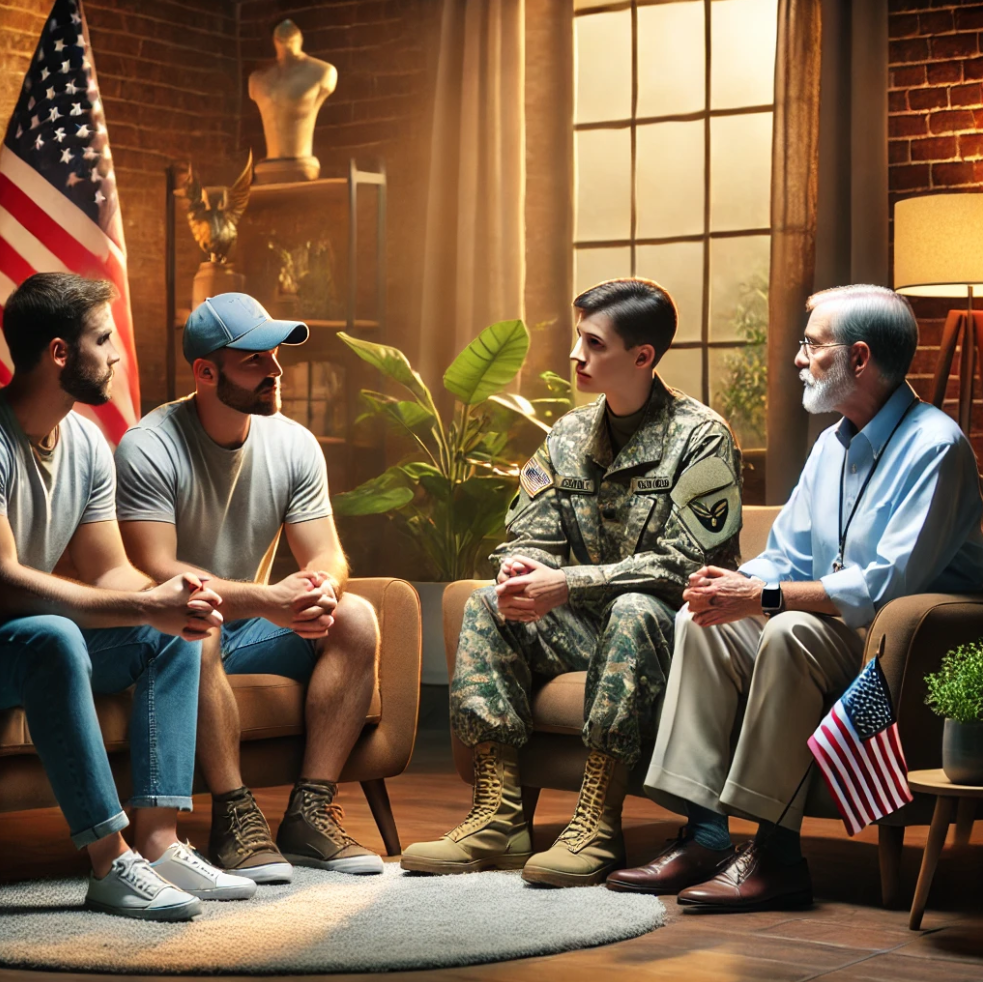
Building a Community of Support: Peer support programs can be highly effective for veterans, as they allow veterans to connect with others who have had similar experiences. Programs like the Veterans Crisis Line and the VA’s Peer Support program connect veterans with trained peers, who provide support, understanding, and guidance. Research suggests that peer support reduces PTSD symptoms and increases veterans’ willingness to seek help (Resnick et al., 2012).
Reducing Stigma through Public Awareness: Public awareness campaigns can play a crucial role in reducing stigma around veterans’ mental health issues. Campaigns should focus on educating both veterans and the general public about the commonality of mental health challenges, emphasizing that seeking help is a sign of strength. The VA’s “Make the Connection” campaign is an example of an initiative aimed at reducing stigma and encouraging veterans to pursue mental health treatment (U.S. Department of Veterans Affairs, 2022).
Encouraging Family Involvement and Support: Family members can be a crucial source of support for veterans dealing with mental health issues. Programs that educate family members about PTSD, depression, and other mental health conditions can equip them to support their loved ones effectively. Involving families in therapy sessions can also create a support network that extends beyond formal mental health services, which may improve outcomes for veterans (Monson et al., 2006).
Employment and Reintegration Support: Meaningful employment can significantly impact veterans’ mental health and quality of life. Programs like the VA’s Vocational Rehabilitation and Employment services provide veterans with job training, career counseling, and job placement assistance, helping veterans reintegrate into civilian life (U.S. Department of Veterans Affairs, 2022). Research shows that veterans who find stable employment report higher levels of satisfaction and mental well-being (Resnik et al., 2012).
A Call to Action
Supporting veterans’ mental health is not only a moral duty but also a way to ensure the well-being of individuals who have made profound sacrifices. By addressing the barriers veterans face in accessing mental health care, expanding peer support networks, reducing stigma, and providing employment and family support, society can help veterans lead healthier and more fulfilling lives. Moreover, these actions honor their service by providing the respect, care, and compassion they deserve.
We must continue to advocate for policies that support veterans’ mental health, fund research into effective treatments, and raise public awareness about the unique challenges veterans face. Providing veterans with the resources and support they need to thrive is one of the most meaningful ways we can repay them for their service and dedication to our country.
This article has been written by John S. Collier, MSW, LCSW. Mr. Collier has over 25 years of experience in the social work field and is based in London Kentucky through Southeast Kentucky Behavioral Health, LLC. Mr. Collier may be reached by phone at (606) 657–0532 extension 101 or by email at john@sekybh.com.
References
Hoge, C. W., Castro, C. A., Messer, S. C., McGurk, D., Cotting, D. I., & Koffman, R. L. (2004). Combat duty in Iraq and Afghanistan, mental health problems, and barriers to care. New England Journal of Medicine, 351(1), 13-22.
Monson, C. M., Schnurr, P. P., Stevens, S. P., & Guthrie, K. A. (2006). Cognitive-behavioral conjoint therapy for PTSD: Pilot results from a community sample. Journal of Traumatic Stress, 19(3), 289-299.
Resnick, S. G., & Rosenheck, R. A. (2012). Integrating peer-provided services: A quasi-experimental study of recovery orientation, confidence, and empowerment. Psychiatric Services, 63(6), 541-547.
Tanielian, T., Jaycox, L. H., & RAND Corporation. (2008). Invisible Wounds of War: Psychological and Cognitive Injuries, Their Consequences, and Services to Assist Recovery. RAND Corporation.
U.S. Department of Veterans Affairs. (2022). PTSD: National Center for PTSD. https://www.ptsd.va.gov