WELCOME
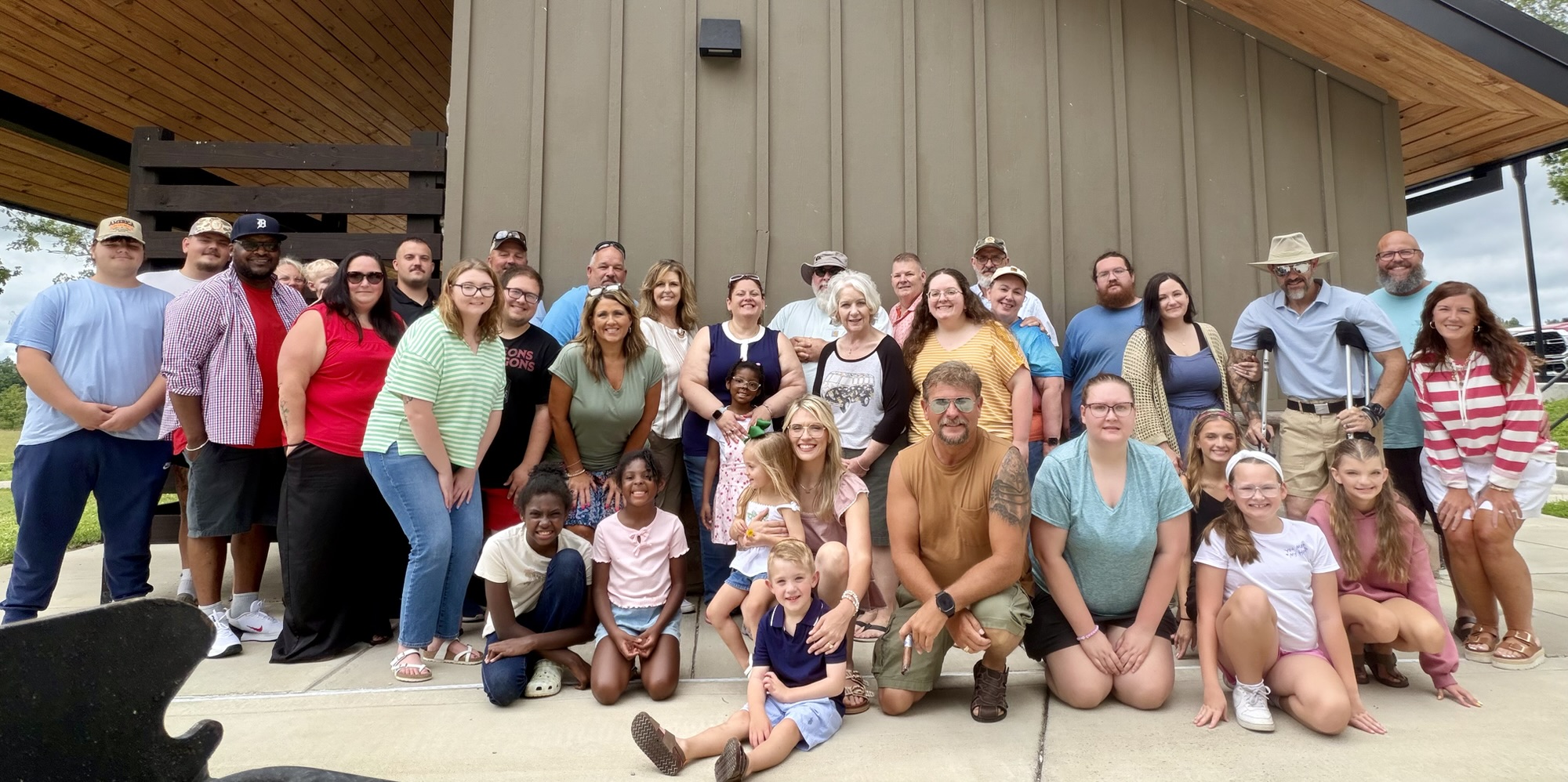
🌳 SEKYBH Family Picnic 2026 🌳

Today, Southeast Kentucky Behavioral Health gathered at Levi Jackson Wilderness Road Park for a wonderful day with our employees and their families. We enjoyed great food, played games, held a raffle, gave away prizes, shared plenty of laughter, and simply enjoyed spending time together outside of the workplace.

We were also proud to collect a large amount of school supplies that will be donated to children throughout Laurel County. We are grateful to everyone who contributed and helped us continue our commitment to supporting the communities we serve. 🎒✏️📚

Although not all of our employees and their families were able to attend, we had a great turnout. The weather was wonderful—but the company was even better.

Southeast Kentucky Behavioral Health is more than a workplace. We are a team, a community, and, in many ways, a work family. Days like today remind us of the importance of taking time to connect, laugh, build relationships, and celebrate the people who make our organization what it is.

Thank you to everyone who attended, brought food, donated school supplies, helped organize activities, and made today such a memorable event. I am already looking forward to more opportunities to gather and create memories with our SEKYBH work family! 💚🧡💙

What Does It Mean to Love Your Wife?

Loving one’s wife is a fundamental aspect of a strong and enduring marriage. It extends beyond mere words or fleeting emotions and is demonstrated through actions, commitment, and intentional effort. The concept of love within marriage has been explored in psychological, philosophical, and religious contexts, with varying interpretations of how love is best expressed. This article examines what it means to love one’s wife, drawing on research from psychology, relationship counseling, and philosophy.

Understanding Love in Marriage

Love in marriage is multidimensional, encompassing emotional, intellectual, and physical connections. Sternberg’s Triangular Theory of Love (1986) identifies three core components of love: intimacy, passion, and commitment (Sternberg, 1986). A balanced marriage integrates these elements, fostering a deep and fulfilling relationship.

  1. Intimacy – This involves deep emotional closeness, vulnerability, and a sense of connection. It is built through trust, empathy, and consistent communication (Gottman & Silver, 2015).
  2. Passion – Passion entails romantic attraction and physical affection. While it may fluctuate over time, intentional efforts to nurture attraction and express love physically are vital (Hatfield & Walster, 1978).
  3. Commitment – A long-term decision to prioritize the well-being and happiness of one’s spouse despite life’s challenges. This aspect of love is what sustains a relationship through difficulties (Stanley, 2005).

Demonstrating Love in Practical Ways

To truly love one’s wife means translating emotional affection into meaningful actions. Here are several key ways to do so:

1. Practicing Emotional Attunement :

Loving one’s wife requires actively listening and responding to her emotional needs. Dr. John Gottman, a renowned relationship expert, emphasizes the importance of turning toward one’s partner instead of away when discussing emotions (Gottman & Silver, 2015). This means being present, validating her feelings, and offering support rather than dismissing concerns.

2. Acts of Service and Sacrifice

Love often involves selflessness. Gary Chapman’s Five Love Languages (1992) identifies acts of service as a key way many individuals feel loved. Helping with household responsibilities, supporting her goals, and prioritizing her well-being are clear demonstrations of love.

3. Communicating Affection and Appreciation

Verbal affirmations, such as expressing gratitude and admiration, strengthen emotional intimacy (Chapman, 1992). Simple words of encouragement and affirmation, such as “I appreciate you” or “I love you,” reinforce a strong emotional bond.

4. Prioritizing Quality Time

Spending intentional time together, without distractions, cultivates closeness. Studies suggest that couples who engage in shared activities and date nights experience greater relationship satisfaction (Ogolsky, 2020).

5. Nurturing Physical and Romantic Connection

Physical intimacy, including affectionate gestures like holding hands, hugging, and maintaining a fulfilling sex life, plays a crucial role in sustaining a healthy marriage (Hatfield & Rapson, 1993). Physical touch is a powerful way to communicate love and security.

6. Supporting Her Growth and Well-Being

Loving one’s wife includes supporting her personal and professional aspirations. Encouraging her ambitions and well-being contributes to her happiness and strengthens the partnership (Aron et al., 2000).

7. Remaining Loyal and Trustworthy

Trust is the foundation of love. Maintaining honesty, faithfulness, and integrity in words and actions fosters a secure and lasting marriage (Stanley, 2005).

Loving one’s wife is an active and lifelong commitment. It requires effort, intentionality, and a deep understanding of her emotional and relational needs. By practicing emotional attunement, expressing love through actions, and prioritizing the relationship, a husband can create a marriage that thrives on deep, enduring love.

John S. Collier, MSW, LCSW, is a licensed clinical social worker based in London, Kentucky. With years of experience in behavioral health therapy, he specializes in relationship counseling, trauma-informed care, and family dynamics. Mr. Collier has worked extensively with couples, helping them build stronger emotional connections and develop healthy communication patterns. His expertise in marriage counseling is grounded in evidence-based therapeutic approaches, drawing from attachment theory, cognitive-behavioral therapy, and mindfulness practices. Passionate about strengthening relationships, John continues to provide guidance and support to individuals and couples navigating the complexities of love, commitment, and emotional well-being.

References

  • Aron, A., Aron, E. N., Tudor, M., & Nelson, G. (2000). Close relationships as including other in the self. Journal of Personality and Social Psychology, 78(4), 599-612.
  • Chapman, G. (1992). The Five Love Languages: How to Express Heartfelt Commitment to Your Mate. Northfield Publishing.
  • Gottman, J. M., & Silver, N. (2015). The Seven Principles for Making Marriage Work. Harmony.
  • Hatfield, E., & Rapson, R. L. (1993). Love, Sex, and Intimacy: Their Psychology, Biology, and History. HarperCollins.
  • Hatfield, E., & Walster, G. W. (1978). A New Look at Love. University Press of America.
  • Ogolsky, B. G. (2020). The Science of Couple and Family Relationships. Routledge.
  • Stanley, S. M. (2005). The Power of Commitment: A Guide to Active, Lifelong Love. Jossey-Bass.
  • Sternberg, R. J. (1986). A triangular theory of love. Psychological Review, 93(2), 119-135.

Healthy Forms of Validation: Recognizing and Seeking Supportive Affirmation

Validation is the process of understanding, affirming, and accepting one’s feelings, thoughts, or experiences. Receiving healthy validation plays an essential role in building self-esteem, enhancing relationships, and promoting emotional resilience. However, it’s essential to recognize and seek out validation that is healthy and constructive. Here’s an overview of different types of validation and strategies for recognizing and pursuing them effectively.

Why Validation Matters

Validation from others reassures us that our feelings and experiences are understood and accepted. Research shows that receiving consistent, positive validation from supportive people can lead to improved mental health, stronger relationships, and a more secure sense of self (Linehan, 1993). According to self-determination theory, validation can also foster autonomy, competence, and relatedness, which are essential for psychological well-being (Ryan & Deci, 2000).

However, relying solely on external validation can be harmful, leading to dependency and reduced self-esteem. Instead, it’s beneficial to balance seeking validation from others with developing self-validation practices.

1. Types of Healthy Validation

  • Emotional Validation: Emotional validation involves acknowledging and accepting someone’s feelings without judgment. This can be as simple as listening attentively, empathizing, and affirming that the other person’s feelings are understandable. Emotional validation reinforces that feelings are valid and that it’s okay to feel what one feels (Linehan, 1993).
  • Validation of Effort and Progress: Praising effort rather than outcomes is a powerful form of validation that can reinforce persistence, self-compassion, and growth. Validating someone’s efforts, even if they fall short of success, promotes a growth mindset, where challenges are seen as opportunities to learn rather than sources of failure (Dweck, 2006).
  • Authentic Affirmations: Authentic affirmations recognize specific qualities, skills, or positive contributions that a person has shown. This validation should be specific rather than generic to reinforce self-worth in an honest, meaningful way (Wood et al., 2008).

2. Recognizing Healthy Validation

Healthy validation has distinct characteristics that make it different from unhealthy or superficial validation. Here’s how to identify it:

  • Respectful and Non-Judgmental: Healthy validation acknowledges your experiences without judgment or dismissal. Research shows that people who validate respectfully build stronger, more trusting relationships (Kross et al., 2014).
  • Specific and Genuine: Unlike generic praise, specific and genuine validation is grounded in real examples. For example, instead of saying “You’re smart,” healthy validation might sound like “I noticed how thoughtful you were when you solved that problem.” This specificity makes the affirmation more meaningful and believable (Wood et al., 2008).
  • Supportive but Not Enabling: Healthy validation encourages personal growth and resilience. It acknowledges your feelings and experiences without enabling unhelpful behaviors, promoting personal accountability and independence (Ryan & Deci, 2000).

3. How to Seek Out Healthy Validation

While it can be challenging to seek validation directly, there are strategies to create environments and relationships where it naturally occurs:

  • Communicate Openly: Sharing how you feel and what kind of support you need can help others understand your perspective and respond in validating ways. Research suggests that people who openly communicate their feelings are more likely to receive affirming responses, as clear communication reduces misunderstandings (Gottman, 2011).
  • Seek Supportive Relationships: Prioritize connections with people who genuinely care about your well-being and listen to you. Friendships and relationships that emphasize empathy, understanding, and honest feedback are more likely to offer healthy validation (Reis & Shaver, 1988).
  • Set Boundaries Around Validation-Seeking: Being mindful of how and when you seek validation can help prevent over-dependence on others. Seeking validation when genuinely needed, rather than as a habit, can help you distinguish between healthy support and dependency (Neff, 2003).

4. Building Self-Validation Skills

Relying on oneself for validation is a healthy, empowering practice that can lead to greater self-confidence and resilience:

  • Practice Self-Compassion: Self-compassion is a form of self-validation that involves treating yourself kindly, especially during challenging times. According to Dr. Kristin Neff, practicing self-compassion can help you become your own source of validation, reducing dependency on external sources (Neff, 2003).
  • Acknowledge Your Own Efforts: Celebrating your progress, no matter how small, reinforces self-validation. This practice helps you recognize your own efforts, fostering a positive self-image and reducing the need for constant external approval (Dweck, 2006).
  • Mindfulness and Journaling: Reflecting on your experiences, thoughts, and emotions through mindfulness or journaling can help you recognize your feelings and validate them internally. This process strengthens self-awareness and helps you rely less on external feedback (Kabat-Zinn, 2003).

Conclusion

Validation is a powerful element of healthy relationships and self-esteem, but it’s essential to seek out healthy, constructive forms of affirmation. By recognizing the qualities of healthy validation, seeking it from supportive people, and building self-validation skills, individuals can enhance their emotional resilience and improve their overall well-being.

This article has been written by John S. Collier, MSW, LCSW. Mr. Collier has over 25 years of experience in the social work field and is based in London Kentucky through Southeast Kentucky Behavioral Health, LLC. Mr. Collier may be reached by phone at (606) 657–0532 extension 101 or by email at john@sekybh.com.

References

  • Dweck, C. S. (2006). Mindset: The New Psychology of Success. Random House.
  • Gottman, J. M. (2011). The Science of Trust: Emotional Attunement for Couples. W.W. Norton & Company.
  • Kabat-Zinn, J. (2003). Mindfulness-Based Stress Reduction (MBSR). American Psychological Association.
  • Kross, E., et al. (2014). Social rejection and the brain. Trends in Cognitive Sciences, 18(1), 15-21.
  • Linehan, M. M. (1993). Cognitive-Behavioral Treatment of Borderline Personality Disorder. Guilford Press.
  • Neff, K. D. (2003). The development and validation of a scale to measure self-compassion. Self and Identity, 2(3), 223-250.
  • Reis, H. T., & Shaver, P. (1988). Intimacy as an interpersonal process. In Handbook of Personal Relationships, 367-389.
  • Ryan, R. M., & Deci, E. L. (2000). Self-determination theory and the facilitation of intrinsic motivation, social development, and well-being. American Psychologist, 55(1), 68-78.
  • Wood, A. M., et al. (2008). The role of gratitude in the development of social support, stress, and depression: Two longitudinal studies. Journal of Research in Personality, 42(4), 854-871.

This article provides a guide to recognizing and seeking healthy forms of validation based on research and psychological theories. Let me know if there’s any area you’d like to explore in more depth.

Supporting Veterans and Their Mental Health: A National Responsibility

Veterans have served their country with dedication and, upon returning to civilian life, often face numerous challenges that require our support and understanding. Many veterans experience significant mental health issues, including post-traumatic stress disorder (PTSD), depression, anxiety, and substance use disorders. These challenges can hinder their ability to reintegrate into civilian life and maintain relationships, employment, and a healthy lifestyle. Recognizing the mental health needs of veterans and implementing effective support strategies is crucial for honoring their service and supporting their well-being.

The Mental Health Landscape for Veterans

Veterans are at a higher risk of mental health issues compared to the general population. A report from the U.S. Department of Veterans Affairs (VA) indicated that approximately 11-20% of veterans who served in Iraq and Afghanistan suffer from PTSD in any given year, and the prevalence is even higher among those who served in the Vietnam War (U.S. Department of Veterans Affairs, 2022). Additionally, veterans are at an increased risk for depression, anxiety, and substance abuse issues, with research suggesting that over 25% of veterans experience symptoms related to depression and other mood disorders (Hoge et al., 2004).

A primary cause of these mental health challenges is the exposure to trauma and high-stress situations during service. Repeated exposure to combat, violence, and injury can leave lasting psychological scars that are difficult to heal. This stress may also exacerbate pre-existing mental health issues, making it even more difficult for veterans to transition back to civilian life.

Barriers to Mental Health Care for Veterans

While the VA and other organizations offer resources for veterans, barriers to accessing mental health care persist. According to the RAND Corporation, veterans may face significant obstacles, such as long wait times for appointments, stigma surrounding mental health, and a lack of providers who understand military culture (Tanielian et al., 2018). This stigma can prevent veterans from seeking help, as they may feel that mental health challenges are a sign of weakness or that others will not understand their experiences.

Rural veterans often face additional obstacles due to the lack of nearby mental health resources. Research has shown that nearly a quarter of all veterans live in rural areas, where specialized mental health services may be limited (Weeks et al., 2008). Telemedicine and virtual counseling have helped bridge some of these gaps, but there remains a need for more accessible, culturally informed care tailored to the unique needs of veterans.

Strategies for Supporting Veterans’ Mental Health

  1. Increasing Access to Mental Health Services:
    Expanding mental health resources specifically tailored for veterans is essential. The VA and other organizations are implementing initiatives to reduce wait times, increase the availability of telehealth services, and provide alternative therapies, such as art therapy, music therapy, and mindfulness practices (U.S. Department of Veterans Affairs, 2022). Community-based programs can also provide veterans with accessible care, particularly in rural areas.
  2. Building a Community of Support:
    Peer support programs can be highly effective for veterans, as they allow veterans to connect with others who have had similar experiences. Programs like the Veterans Crisis Line and the VA’s Peer Support program connect veterans with trained peers, who provide support, understanding, and guidance. Research suggests that peer support reduces PTSD symptoms and increases veterans’ willingness to seek help (Resnick et al., 2012).
  3. Reducing Stigma through Public Awareness:
    Public awareness campaigns can play a crucial role in reducing stigma around veterans’ mental health issues. Campaigns should focus on educating both veterans and the general public about the commonality of mental health challenges, emphasizing that seeking help is a sign of strength. The VA’s “Make the Connection” campaign is an example of an initiative aimed at reducing stigma and encouraging veterans to pursue mental health treatment (U.S. Department of Veterans Affairs, 2022).
  4. Encouraging Family Involvement and Support:
    Family members can be a crucial source of support for veterans dealing with mental health issues. Programs that educate family members about PTSD, depression, and other mental health conditions can equip them to support their loved ones effectively. Involving families in therapy sessions can also create a support network that extends beyond formal mental health services, which may improve outcomes for veterans (Monson et al., 2006).
  5. Employment and Reintegration Support:
    Meaningful employment can significantly impact veterans’ mental health and quality of life. Programs like the VA’s Vocational Rehabilitation and Employment services provide veterans with job training, career counseling, and job placement assistance, helping veterans reintegrate into civilian life (U.S. Department of Veterans Affairs, 2022). Research shows that veterans who find stable employment report higher levels of satisfaction and mental well-being (Resnik et al., 2012).

A Call to Action

Supporting veterans’ mental health is not only a moral duty but also a way to ensure the well-being of individuals who have made profound sacrifices. By addressing the barriers veterans face in accessing mental health care, expanding peer support networks, reducing stigma, and providing employment and family support, society can help veterans lead healthier and more fulfilling lives. Moreover, these actions honor their service by providing the respect, care, and compassion they deserve.

We must continue to advocate for policies that support veterans’ mental health, fund research into effective treatments, and raise public awareness about the unique challenges veterans face. Providing veterans with the resources and support they need to thrive is one of the most meaningful ways we can repay them for their service and dedication to our country.

This article has been written by John S. Collier, MSW, LCSW. Mr. Collier has over 25 years of experience in the social work field and is based in London Kentucky through Southeast Kentucky Behavioral Health, LLC. Mr. Collier may be reached by phone at (606) 657–0532 extension 101 or by email at john@sekybh.com.


References

Hoge, C. W., Castro, C. A., Messer, S. C., McGurk, D., Cotting, D. I., & Koffman, R. L. (2004). Combat duty in Iraq and Afghanistan, mental health problems, and barriers to care. New England Journal of Medicine, 351(1), 13-22.

Monson, C. M., Schnurr, P. P., Stevens, S. P., & Guthrie, K. A. (2006). Cognitive-behavioral conjoint therapy for PTSD: Pilot results from a community sample. Journal of Traumatic Stress, 19(3), 289-299.

Resnick, S. G., & Rosenheck, R. A. (2012). Integrating peer-provided services: A quasi-experimental study of recovery orientation, confidence, and empowerment. Psychiatric Services, 63(6), 541-547.

Tanielian, T., Jaycox, L. H., & RAND Corporation. (2008). Invisible Wounds of War: Psychological and Cognitive Injuries, Their Consequences, and Services to Assist Recovery. RAND Corporation.

U.S. Department of Veterans Affairs. (2022). PTSD: National Center for PTSD. https://www.ptsd.va.gov