Welcome to SOUTHEAST KENTUCKY BEHAVIORAL HEALTH
Surviving the Affair: When You No Longer want to Stay

Part Four: The Unfaithful Spouse Who Has Chosen to End the Marriage

Walking away from a marriage after having an affair is one of the most painful and misunderstood experiences in relationship counseling. Society often assumes that the spouse who was unfaithful has found happiness while everyone else is left with pain. While that is occasionally true, the emotional reality is usually far more complicated. Many unfaithful spouses discover that ending the marriage does not bring the peace they expected. Instead, they find themselves carrying overwhelming guilt, grief, confusion, and the weight of knowing that their decisions have permanently altered the lives of the people they once promised to love and protect.

Some have genuinely fallen in love with another person. Some realize they emotionally left the marriage years before the affair ever began. Others recognize that their marriage had become unhealthy long before infidelity occurred, and the affair simply accelerated a decision they had been avoiding.

None of these realities excuse unfaithfulness. An affair is never an ethical way to end a marriage. However, understanding why an unfaithful spouse no longer wants to remain married is essential if healing is ever going to occur—for everyone involved. This article is not written to defend infidelity. It is written to help those who have chosen not to reconcile leave their marriage with honesty, responsibility, compassion, and integrity rather than continuing deception and emotional destruction.


The Affair Was Not the Beginning

Many unfaithful spouses eventually admit something difficult. The affair was not the beginning of the end. It was the symptom. For months—or sometimes years—they had emotionally disconnected from the marriage. They stopped sharing their fears. They buried resentment. They avoided conflict. They convinced themselves that things would somehow improve without difficult conversations.

Instead, emotional distance became loneliness. Loneliness became vulnerability. Vulnerability became secrecy. Secrecy became infidelity. Recognizing this progression does not remove responsibility. Instead, it provides an opportunity to understand what happened so the same pattern is not repeated in future relationships. If you do not understand how you arrived here, you are far more likely to repeat the same mistakes.


Honesty Is Painful for a Moment. Deception Is Painful for a Lifetime.

Many people remain emotionally trapped because they cannot bear the thought of hurting their spouse. Ironically, prolonged deception almost always creates greater pain than difficult honesty. Remaining emotionally unavailable while pretending to work on the marriage prolongs false hope. False hope delays healing. If you have truly decided that your marriage is over, one of the most compassionate gifts you can give your spouse is complete honesty. That honesty should never be harsh. It should never become an attempt to justify the affair. It should never shift responsibility onto your spouse. But it must be truthful. People deserve the dignity of making life-changing decisions based upon reality—not illusion.


Accept Responsibility Without Rewriting History

One of the greatest temptations after an affair is rewriting the history of the marriage to reduce feelings of guilt. Statements such as:

  • “We were never happy.”
  • “I never really loved you.”
  • “Our marriage was always terrible.”

often become attempts to justify leaving rather than honest descriptions of reality. Most marriages contain beautiful memories alongside painful struggles. Acknowledging the good does not require remaining married. Acknowledging the problems does not justify becoming unfaithful. Healthy accountability sounds different. It says:

“Our marriage had serious problems, but I chose an unhealthy and dishonest way to respond to those problems.”

That statement accepts responsibility without distorting history.


Guilt Can Become Your Greatest Teacher

Healthy guilt serves an important purpose. It reminds us that our behavior violated our own values.

Shame says: “I am a terrible person.”

Healthy guilt says: “I made terrible decisions.”

The distinction matters. People who become trapped in shame often become defensive, withdrawn, or emotionally paralyzed. People who embrace healthy guilt often become teachable. Personal growth begins when accountability replaces self-protection.


Ending a Marriage With Integrity

If reconciliation is no longer possible—or no longer desired—there are healthier ways to move forward. Ending a marriage with integrity means:

  • Being completely truthful.
  • Taking full responsibility for your choices.
  • Refusing to blame your spouse for your decision to be unfaithful.
  • Protecting your children from adult conflict.
  • Treating your spouse with dignity throughout the separation or divorce.
  • Avoiding unnecessary public humiliation.
  • Honoring financial and parental responsibilities.
  • Speaking respectfully, even when emotions remain intense.

Integrity after failure does not erase the past. It does determine the kind of person you become afterward.


What About the New Relationship?

Many affairs do not survive once secrecy disappears. The excitement of hidden meetings often fades beneath the realities of everyday life. Even when the new relationship continues, unresolved guilt frequently follows. Questions begin to emerge.

  • “Will they ever truly trust me?”
  • “Can I fully trust someone who entered a relationship with me this way?”
  • “Did we build our relationship on a foundation of deception?”

These are not questions to avoid. They are questions to confront honestly. Every healthy relationship is ultimately built upon trust, openness, and integrity. Without those qualities, history has a way of repeating itself.


Children Are Watching More Than They Hear

When children are involved, they learn far more from your behavior than your explanations. They notice:

  • How conflict is handled.
  • How parents speak about one another.
  • Whether responsibility is accepted.
  • Whether apologies are sincere.
  • Whether respect survives disappointment.

Your marriage may end. Your influence as a parent does not. The character you demonstrate during this season may become one of the greatest lessons your children carry into their own future relationships.


Tools for Moving Forward

If you have chosen to end your marriage, consider these practical steps:

  • Participate in individual therapy to understand the emotional needs and vulnerabilities that contributed to the affair.
  • End all deception immediately.
  • Accept responsibility without minimizing your choices.
  • Resist the urge to defend yourself through blame.
  • Communicate respectfully with your spouse.
  • Protect your children from adult conflict.
  • Establish healthy emotional boundaries.
  • Delay entering another serious relationship until you have processed your own growth.
  • Surround yourself with people who encourage accountability rather than excuses.
  • Practice regular self-reflection, humility, and personal growth.

A Christian Perspective

Scripture teaches both truth and grace. It never minimizes the seriousness of infidelity. Neither does it suggest that failure places a person beyond God’s redemption. King David committed adultery. Peter denied Christ. The Apostle Paul persecuted believers before becoming one of Christianity’s greatest missionaries. Each experienced profound failure. Each also experienced genuine repentance and transformation. If your marriage cannot be restored, your character still can.

God’s forgiveness never removes earthly consequences. It does, however, offer the opportunity to become someone different from the person who made those destructive choices. Psalm 51 reminds us that authentic repentance begins not with excuses but with honest confession and a sincere desire for a transformed heart.


A Therapist’s Reflection

One of the saddest statements I hear in my office comes from unfaithful spouses who quietly say,

“I wish I had ended my marriage before I ever had the affair.”

Those words are rarely spoken with relief. They are usually spoken with tears. Not because divorce would have been painless. But because deception made an already painful situation infinitely more destructive. If reconciliation is no longer your desire, choose honesty today instead of another month—or another year—of pretending.

Do not spend your energy defending what cannot be defended. Invest that same energy in becoming someone who lives with greater honesty, humility, courage, and integrity. The affair does not have to define the rest of your life. But your response to it will shape the person you become. Choose responsibility. Choose truth. Choose humility. Choose growth. Even after profound failure, those choices remain available.


About the Author

John S. Collier, MSW, LCSW-S is a licensed clinical social worker, psychotherapist, author, educator, and speaker with decades of experience helping individuals, couples, and families navigate life’s most difficult emotional challenges. Throughout his career, he has worked extensively with people struggling with relationship conflict, betrayal, anxiety, depression, trauma, grief, addiction, and life transitions. His counseling approach combines evidence-based psychological practices with practical wisdom, compassion, and a deep respect for each person’s unique journey.

John has devoted much of his professional life to understanding the complexities of human relationships. He has counseled couples working to rebuild trust after infidelity, individuals recovering from betrayal, and families seeking healing after painful life events. His clinical experience has reinforced one enduring truth: while relationships can be profoundly wounded, people possess an extraordinary capacity for growth, resilience, forgiveness, and transformation when they are equipped with the right tools and support.

As an author, John seeks to bridge the gap between professional mental health knowledge and everyday life. His writing translates complex psychological concepts into practical guidance that readers can understand and apply immediately. Whether addressing marriage, parenting, emotional wellness, trauma recovery, or spiritual growth, his goal is to provide resources that are both clinically sound and personally encouraging.

Surviving the Affair reflects John’s commitment to approaching infidelity with both honesty and compassion. Rather than reducing people to labels or stereotypes, he explores the emotional realities experienced by everyone affected—the betrayed spouse, the unfaithful partner, the affair partner, and the families whose lives are forever changed. Drawing upon years of therapeutic experience, he emphasizes accountability without condemnation, healing without minimizing pain, and hope without offering unrealistic promises.

John believes that healing begins when people are willing to face the truth with courage. While not every relationship can or should be restored, every individual has the capacity to grow beyond betrayal, rediscover integrity, and build a healthier future. His passion is helping readers move from surviving life’s greatest wounds to living with renewed purpose, emotional strength, and hope.

Through his books, speaking engagements, and counseling work, John continues to encourage others to pursue emotional health, healthy relationships, personal responsibility, and lasting transformation—one step at a time.ountability, emotional healing, evidence-based therapeutic practices, and Christian principles of grace, truth, and personal transformation. Through his writing and counseling, John seeks to help people understand the complexities of human relationships, rebuild lives after failure, and discover hope beyond their greatest challenges.

References

American Association for Marriage and Family Therapy. (2015). Infidelity. https://www.aamft.org

Baucom, D. H., Snyder, D. K., & Gordon, K. C. (2009). Helping Couples Get Past the Affair: A Clinician’s Guide. Guilford Press.

Brown, B. (2012). Daring Greatly. Gotham Books.

Glass, S. P. (2003). Not “Just Friends”: Rebuilding Trust and Recovering Your Sanity After Infidelity. Free Press.

Gordon, K. C., Baucom, D. H., & Snyder, D. K. (2004). An integrative intervention for promoting recovery from extramarital affairs. Journal of Marital and Family Therapy, 30(2), 213–231.

Perel, E. (2017). The State of Affairs: Rethinking Infidelity. Harper.

Snyder, D. K., Baucom, D. H., & Gordon, K. C. (2007). Getting Past the Affair. Guilford Press.

The Holy Bible, New International Version. (2011). Zondervan.


Turbulent ocean waves crashing under dark storm clouds with sunset light
Surviving the Affair

Part Two: When Forgiveness Feels Impossible

The Betrayed Spouse Who Cannot Forgive

There are few moments in life that permanently divide time into “before” and “after.” The discovery of an affair is one of them.

Many betrayed spouses remember the exact moment they found out. It becomes etched into memory with remarkable clarity. They remember where they were standing, the expression on their spouse’s face, the phone call, the text message, the photograph, the receipt, or the confession that forever changed their world. The details become frozen in time because betrayal is not simply painful—it is traumatic.

For many people, the greatest struggle after an affair is not deciding whether to stay or leave. It is the overwhelming realization that they cannot forgive. They may desperately want to forgive. Their faith may tell them they should forgive. Friends may encourage forgiveness. Their spouse may plead for forgiveness.

Yet every time they attempt it, the memories return. The images replay. The questions begin again. The anger resurfaces. Forgiveness seems to disappear as quickly as it came. If this describes your experience, you are not abnormal. You are traumatized. Understanding the difference is the first step toward healing.


Betrayal Is More Than Heartbreak

When someone you trust violates the foundation of your relationship, the injury reaches far beyond hurt feelings. An affair attacks several of our deepest psychological needs simultaneously:

  • Safety
  • Trust
  • Identity
  • Security
  • Self-worth
  • Emotional attachment
  • Future expectations

The person who once represented comfort suddenly becomes the source of fear. The person who promised protection becomes the one who caused the injury. This contradiction places the brain into survival mode.

Researchers have increasingly recognized betrayal trauma as a unique form of psychological injury because the source of comfort becomes the source of danger. This creates confusion that often resembles post-traumatic stress disorder (PTSD).


The What-If Loop

One of the most exhausting symptoms of betrayal is what therapists often call the “What-If Loop.” The mind searches endlessly for answers.

What if I had noticed sooner?
What if I had been more affectionate?
What if I had worked less?
What if I had looked different?
What if they loved the other person more?

The questions become relentless. Unfortunately, the human brain mistakenly believes that if it can answer every question, it will somehow eliminate the pain. It rarely does. Instead, each answer usually creates three new questions. Healing begins when we recognize that certainty is not always available. Sometimes recovery requires learning to live without complete explanations. (For more on the What If Loop, Click Here)


The Mind Replays What the Eyes Never Saw

Many betrayed spouses become haunted by mental movies. They imagine conversations. Hotel rooms. Vacations. Private messages. Laughter. Physical intimacy. These images may never have actually been witnessed, yet they feel vividly real. This is how trauma attempts to fill in missing information. The brain dislikes incomplete stories. It creates them. Unfortunately, the stories are usually worse than reality. This explains why intrusive thoughts continue months or even years after disclosure. They are symptoms of trauma—not weakness.


Anger Is Often Love’s Last Defense

People frequently apologize for being angry.

“I know I shouldn’t still be this angry.”
“I’ve prayed about it.”
“I’ve tried to let it go.”
“I don’t want to feel this way anymore.”

Anger often protects something much more vulnerable. Beneath the anger is grief. Beneath the grief is love. Beneath the love is loss. When we understand anger as protection instead of failure, we stop fighting our emotions and begin listening to them. Anger asks important questions:

“Am I safe?”
“Can I trust again?”
“Will this happen again?”

These questions deserve honest answers.


Why Forgiveness Cannot Be Forced

Forgiveness is one of the most misunderstood concepts in both psychology and Christianity. Forgiveness is not pretending it didn’t happen. It is not forgetting. It is not excusing betrayal. It is not immediately trusting again. It is not removing consequences. Forgiveness is gradually releasing the desire to remain emotionally imprisoned by another person’s actions. That process often takes considerable time. When people pressure themselves into premature forgiveness, they frequently experience what psychologists call pseudo-forgiveness. Outwardly they say, “I forgive you.” Internally, nothing has healed. The resentment simply becomes hidden. Authentic forgiveness grows naturally from healing. It rarely precedes it.


The Difference Between Forgiveness and Reconciliation

Many betrayed spouses fear that forgiving means they must remain in the marriage. It does not. Forgiveness concerns your heart. Reconciliation concerns the relationship. The two are related but not identical. Reconciliation requires:

  • Genuine remorse
  • Complete honesty
  • Transparency
  • Consistent trustworthy behavior
  • Patience
  • Accountability
  • Mutual commitment

One person can forgive. Two people must reconcile.


Common Triggers

Recovery rarely follows a straight line. Many seemingly ordinary experiences suddenly reopen emotional wounds. Common triggers include:

  • Anniversary dates
  • Holidays
  • Love songs
  • Hotel advertisements
  • Social media
  • Text notification sounds
  • Unexpected schedule changes
  • Certain perfumes or colognes
  • Particular restaurants
  • Movies involving infidelity

Triggers do not mean healing has failed. They simply remind us that the nervous system remembers what the mind wishes it could forget.


Tools for Healing

Healing requires more than waiting for time to pass. Intentional practices help the brain regain emotional stability. Consider these strategies:

  • Work with a therapist trained in betrayal trauma or couples counseling.
  • Practice grounding exercises when intrusive thoughts become overwhelming.
  • Develop healthy sleep, nutrition, and exercise routines.
  • Limit repetitive questioning that no longer produces useful information.
  • Build a support system of emotionally healthy people.
  • Journal difficult emotions rather than suppressing them.
  • Establish boundaries that increase emotional safety.
  • Pray honestly rather than pretending to be spiritually stronger than you feel.

Healing rarely happens accidentally. It happens intentionally.


A Christian Perspective on Forgiveness

Jesus calls believers to forgive. He also never minimizes sin. Throughout Scripture we see both mercy and justice. Repentance and restoration. Truth and grace. Forgiveness does not require pretending evil never occurred. Rather, forgiveness entrusts justice to God while refusing to allow bitterness to define one’s future.

Romans 12:19 reminds believers: “Do not take revenge, my dear friends, but leave room for God’s wrath…”

Forgiveness becomes possible not because betrayal was small. It becomes possible because Christ has shown us that even great wounds can be redeemed. That redemption, however, is often a journey—not a single moment.


A Therapist’s Reflection

One of the most common statements I hear in my office is this:

“I don’t know if I’ll ever forgive them.”

My response often surprises people. I tell them not to make forgiveness today’s assignment. Today’s assignment is breathing. Sleeping. Eating. Staying emotionally safe. Understanding what happened. Learning that trauma changes the brain. Finding healthy support. Forgiveness may come months later. Sometimes years later.

Sometimes forgiveness arrives quietly—not because the memories disappeared, but because the memories no longer control your life. Healing is rarely about forgetting. It is about remembering differently. The affair may always remain part of your story. It does not have to remain the author of your future.


About the Author

John S. Collier, MSW, LCSW-S is a licensed clinical social worker, psychotherapist, author, educator, and speaker with decades of experience helping individuals, couples, and families navigate life’s most difficult emotional challenges. Throughout his career, he has worked extensively with people struggling with relationship conflict, betrayal, anxiety, depression, trauma, grief, addiction, and life transitions. His counseling approach combines evidence-based psychological practices with practical wisdom, compassion, and a deep respect for each person’s unique journey.

John has devoted much of his professional life to understanding the complexities of human relationships. He has counseled couples working to rebuild trust after infidelity, individuals recovering from betrayal, and families seeking healing after painful life events. His clinical experience has reinforced one enduring truth: while relationships can be profoundly wounded, people possess an extraordinary capacity for growth, resilience, forgiveness, and transformation when they are equipped with the right tools and support.

As an author, John seeks to bridge the gap between professional mental health knowledge and everyday life. His writing translates complex psychological concepts into practical guidance that readers can understand and apply immediately. Whether addressing marriage, parenting, emotional wellness, trauma recovery, or spiritual growth, his goal is to provide resources that are both clinically sound and personally encouraging.

Surviving the Affair reflects John’s commitment to approaching infidelity with both honesty and compassion. Rather than reducing people to labels or stereotypes, he explores the emotional realities experienced by everyone affected—the betrayed spouse, the unfaithful partner, the affair partner, and the families whose lives are forever changed. Drawing upon years of therapeutic experience, he emphasizes accountability without condemnation, healing without minimizing pain, and hope without offering unrealistic promises.

John believes that healing begins when people are willing to face the truth with courage. While not every relationship can or should be restored, every individual has the capacity to grow beyond betrayal, rediscover integrity, and build a healthier future. His passion is helping readers move from surviving life’s greatest wounds to living with renewed purpose, emotional strength, and hope.

Through his books, speaking engagements, and counseling work, John continues to encourage others to pursue emotional health, healthy relationships, personal responsibility, and lasting transformation—one step at a time.healing and growth. His writing combines psychological research, clinical experience, and Christian principles to provide readers with hope, insight, and realistic pathways toward emotional recovery and healthier relationships.

References

American Psychiatric Association. (2022). Diagnostic and Statistical Manual of Mental Disorders (5th ed., text rev.). American Psychiatric Association Publishing.

Baucom, D. H., Snyder, D. K., & Gordon, K. C. (2009). Helping Couples Get Past the Affair: A Clinician’s Guide. Guilford Press.

Glass, S. P. (2003). Not “Just Friends”: Rebuilding Trust and Recovering Your Sanity After Infidelity. Free Press.

Gordon, K. C., Baucom, D. H., & Snyder, D. K. (2004). An integrative intervention for promoting recovery from extramarital affairs. Journal of Marital and Family Therapy, 30(2), 213–231.

Johnson, S. M. (2019). Attachment Theory in Practice. Guilford Press.

Snyder, D. K., Baucom, D. H., & Gordon, K. C. (2007). Getting Past the Affair. Guilford Press.

Spring, J. A. (2012). After the Affair (2nd ed.). Harper.

The Holy Bible, New International Version. (2011). Zondervan.

Part One

The Wounds No One Sees
An overview of betrayal, trauma, grief, and the emotional complexity of affairs.

Part Two (This Article)

The Betrayed Spouse Who Cannot Forgive
Understanding intrusive memories, resentment, trauma, and why forgiveness cannot be forced.

Part Three

The Betrayed Spouse Who Wants to Save the Marriage
Learning how trust is rebuilt, boundaries are established, and reconciliation becomes possible.

Part Four

The Betrayer Who Does Not Want to Stay
Navigating honesty, responsibility, guilt, and ending a marriage with integrity rather than continued deception.

Part Five

The Betrayer Who Wants to Reconcile
Understanding genuine remorse, rebuilding trust, transparency, and becoming trustworthy again.

Part Six

The Affair Partner Who Doesn’t Want the Relationship to End
Exploring attachment, hope, grief, and accepting that loving someone does not always justify continuing the relationship.

Part Seven

The Affair Partner Who Ends the Relationship Because It Is Morally Wrong
Examining grief, guilt, loneliness, moral conflict, and healing after choosing integrity over desire.

Part Eight

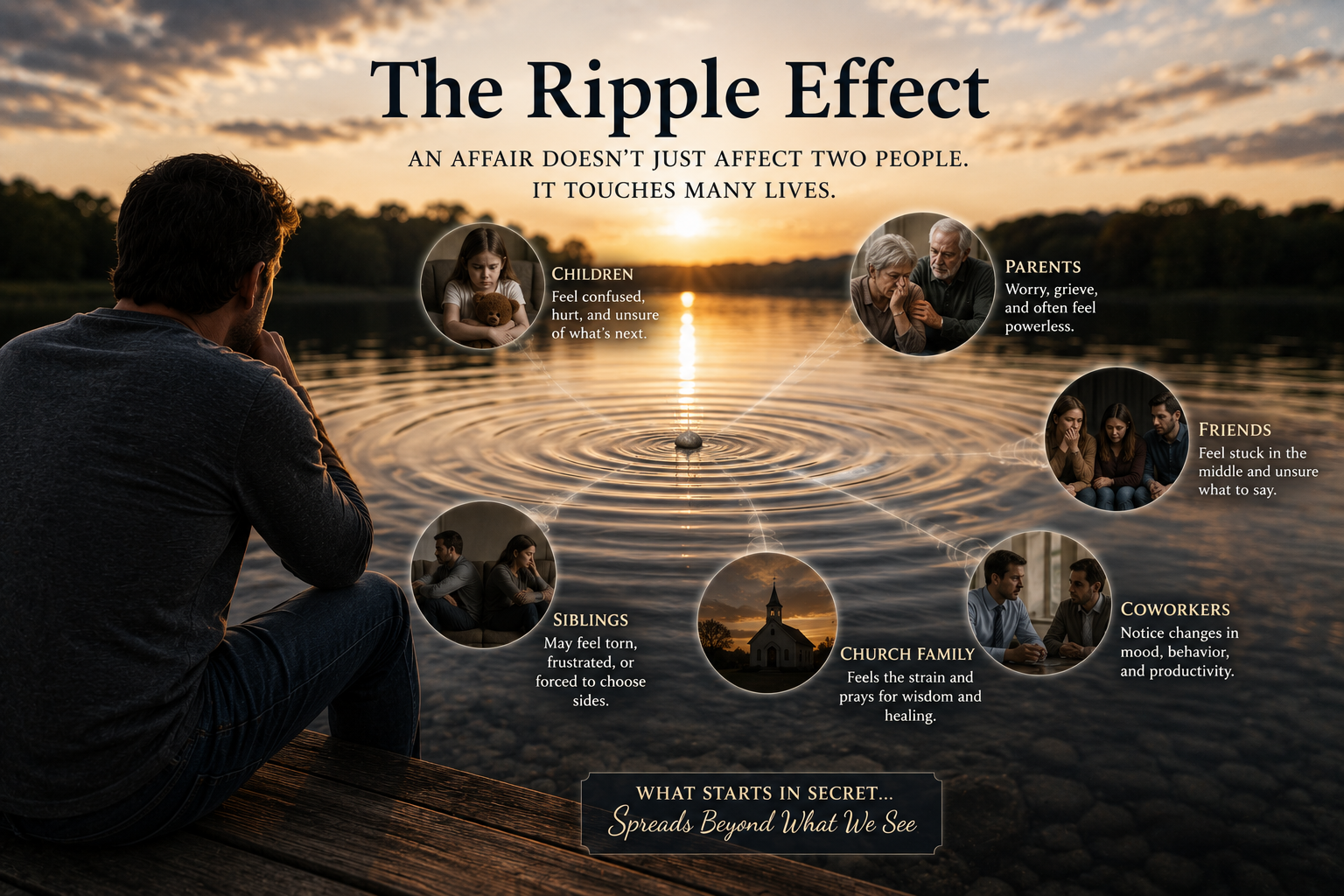
When Children, Families, and Friends Are Caught in the Middle
Understanding the wider ripple effects of infidelity and protecting those who never chose to be part of the story.

Part Nine

When Forgiveness Comes…and When It Doesn’t
Separating forgiveness from reconciliation and understanding what emotional freedom truly means.

Part Ten

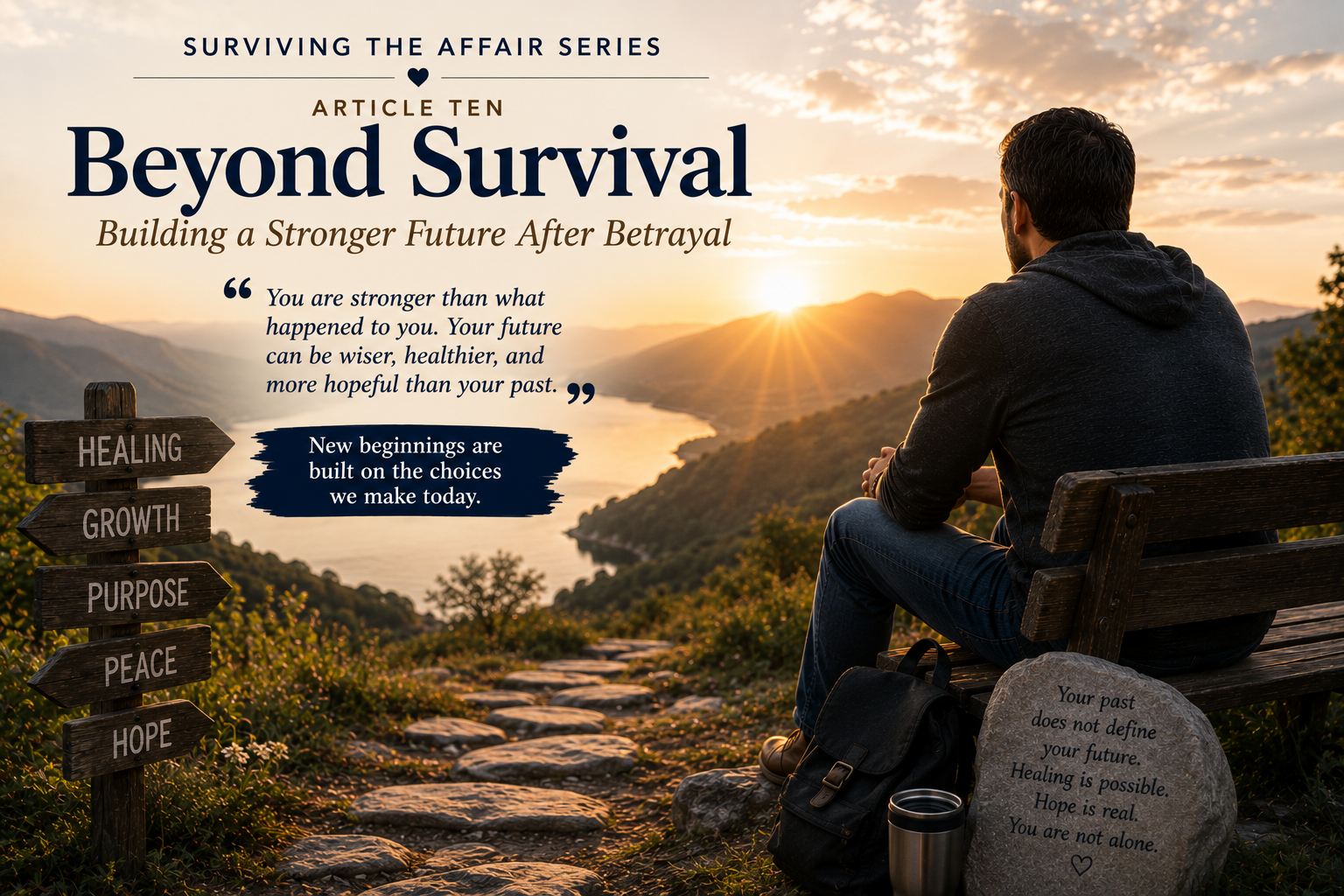
Life After the Affair
Whether the marriage survives or ends, discovering how people rebuild identity, hope, purpose, and healthy relationships again.

Healing After Heartbreak—Where Healing Begins

Understanding Your Pain, Finding Your Footing, and Taking the First Steps Forward

By John S. Collier, MSW, LCSW-S
Part 1 of the Healing After Heartbreak Series

The Morning Everything Feels Different

You wake up, and for a few seconds, everything feels normal. Then you remember. The relationship is over, the person is gone, or the future you planned is no longer going to happen. Your hand may still reach for your phone. You may wonder whether they sent a message during the night. You may replay the last conversation before your feet even touch the floor. The rest of the world keeps moving. People go to work, traffic fills the roads, and stores open for the day. Yet your world feels as if it has stopped. You may ask yourself, “How can everyone keep living when my life has changed so much?”

Heartbreak can leave you feeling lost, rejected, angry, afraid, and alone. It can make you question your worth. It can even make you question your memories, your judgment, and your faith. This article begins a ten-part journey through those feelings. The goal is not to rush you into “getting over it.” The goal is to help you understand what is happening inside you so you can begin moving forward in a healthy way.

Takeaway: Heartbreak can make your world feel frozen, but this painful moment is not the end of your story.

Heartbreak Is a Real Form of Grief

People often connect grief with death. However, grief can follow any deep loss. A breakup can take away a person, a daily routine, a sense of safety, and an entire picture of the future. You may grieve the morning messages, familiar phone calls, shared jokes, weekend plans, and the feeling of being known. Small reminders can carry great weight because they were part of your emotional life.

Research shows that people often experience strong and changing emotions after a breakup. Love, sadness, anger, and relief may rise and fall from one day to the next. These changes can be especially strong soon after the relationship ends (Sbarra & Emery, 2005).

This is why you may feel strong one morning and fall apart that afternoon. It does not mean you are going backward. It means your mind and body are trying to adjust to a major change. A breakup is not exactly the same as a death. The person may still be alive, active online, and moving forward with life. That can make the grief more confusing because the person still exists, but the relationship does not. You are grieving someone you could possibly see, call, or message. Yet contact may no longer be wise, welcome, or healthy. That tension can keep the pain alive.

Takeaway: Your grief is real, even when other people do not fully understand it.

You Lost More Than a Person

Many people think they are only grieving the person. In truth, they are often grieving the future they built around that person. You may have imagined holidays, trips, a home, marriage, children, retirement, or growing old together. Even if those plans were never written down, they may have felt real inside your heart. When the relationship ends, those imagined moments disappear too. You are not only saying goodbye to what happened. You are also saying goodbye to what you believed would happen.

That hidden loss can explain why a short relationship sometimes causes deep pain. The length of the relationship does not always show the size of the dream attached to it. You may also be grieving the person you were while you were in the relationship. Perhaps you felt more hopeful, confident, needed, or excited about life. Now you may wonder who you are without that connection. Researchers have found that romantic partners often build shared friends, activities, plans, and parts of their identity. After a breakup, people may struggle to understand who they are on their own. That loss of identity can add to emotional distress (Slotter et al., 2010). Healing will include rediscovering the parts of you that still exist. It may also include discovering new parts of yourself that have not yet had room to grow.

Takeaway: You may be grieving a person, a future, and a version of yourself all at the same time.

Why Your Mind Keeps Going Back

After heartbreak, your mind may keep replaying the same questions. What if I had said something different? What if I had tried harder? What if I had noticed the problem sooner? What if they change their mind? Your brain is trying to understand an ending it did not want. It searches the past because it hopes to find an answer that will change the present. That is why you may read old messages, look at photographs, or replay the last conversation. You may believe that one more detail will finally make everything clear. Romantic rejection can affect brain systems connected with reward, desire, and emotional control. This may help explain why a person can feel almost pulled toward someone who has rejected them (Fisher et al., 2010).

The urge to contact the person does not always mean the relationship was healthy or should be restored. It may mean your brain is struggling with the sudden loss of a strong emotional bond. Your thoughts are also trying to give you control. If you can find the exact moment when everything went wrong, you may believe you can undo it. But understanding the past and changing the past are not the same thing. Some questions help you learn. Other questions only keep you trapped. This series will help you tell the difference between healthy reflection and the painful “what-if loop.”

Takeaway: Replaying the past is often your mind’s attempt to regain control, but not every question has an answer that will bring peace.

Healing Is Not a Straight Line

You may have a good day and believe you are finally moving forward. Then a song, place, date, or photograph brings the pain back. That does not erase your progress. Grief often moves between two needs. At times, you need to feel the loss. At other times, you need to rest from the loss and take part in life again. Grief researchers describe this as moving between loss and restoration. Healthy healing may include crying one day and enjoying dinner with friends the next. Both can be part of recovery (Stroebe & Schut, 1999).

You do not need to feel guilty when you laugh. You are not betraying the relationship when you have a peaceful day. Feeling better does not mean the person did not matter. You may also have a difficult day after several good ones. That does not mean you have returned to the beginning. You are meeting an old feeling with new strength. Healing is better understood as a path than a finish line. Some parts are smooth. Other parts are steep, but each step still carries you forward.

Takeaway: A painful day does not cancel your progress; healing naturally includes both grief and moments of relief.

Feelings Are Real, but They Are Not Always Directions

You may miss the person deeply. That feeling is real. However, missing someone does not always mean you should return to the relationship. You may feel afraid of being alone. That fear is real too. But fear is not proof that going back is the right choice. Strong feelings give you information. They tell you that something mattered, something hurt, or something needs care. They do not always tell you what action to take. Your heart may remember the good moments while your mind remembers the problems. You may feel pulled between what you want and what you know.

This inner conflict is common after heartbreak. One part of you wants the pain to stop right now. Another part knows that returning could create the same pain again. Healing allows your heart and mind to speak without letting either one control every decision. You can respect your emotions while also looking honestly at facts, patterns, boundaries, and consequences.

Takeaway: You can honor what you feel without allowing pain, fear, or loneliness to make your decisions.

Faith Does Not Require You to Pretend

Some people believe strong faith means they should not feel heartbroken. They may tell themselves to pray harder, stop crying, and move on. That is not how healing works. The Bible does not hide grief. David cried out in pain. Job asked hard questions. Jesus wept. Scripture shows us that sorrow and faith can live in the same heart.

Psalm 34:18 teaches that God stays close to the brokenhearted. It does not say God becomes angry with people for having broken hearts.

Faith does not require you to call something good when it hurt you. It does not require you to deny rejection, betrayal, disappointment, or loss. Faith gives you a place to take those things. You can speak honestly to God about anger, sadness, fear, and confusion. Honest prayer is still prayer. You may not understand why the relationship ended. You may not yet see what God is doing. Faith sometimes means trusting that God is still writing the chapters you have not read.

Takeaway: You do not have to hide your grief from God; He can meet you honestly within it.

Where Healing Starts

Healing usually does not begin with a big answer. It begins with one honest moment. You may need to admit that the relationship is over. You may need to stop waiting for the message you hope will arrive. You may need to name what happened without changing the story to make it hurt less. Acceptance does not mean you approve of the ending. It means you stop fighting the fact that the ending happened.

Research suggests that accepting the end of a relationship can support emotional recovery (Sbarra, 2006). Acceptance makes room for you to ask a new question.

Instead of asking, “How can I get the old life back?” you can begin asking, “How can I care for the life I have now?” The first question keeps your eyes on a closed door. The second helps you look for the next step.

Takeaway: Healing begins when you stop trying to change what has already happened and start caring for what happens next.

A Simple First Exercise

Take a sheet of paper or open a blank page in your journal. Do not try to solve your whole future. Answer these four questions as honestly as you can:

  1. What did I lose? Name the person, plans, routines, hopes, and feelings connected with the relationship.
  2. What am I afraid this loss means? You may fear that you are unlovable, that you will always be alone, or that you will never feel happy again.
  3. What is still true about me? Name your values, strengths, faith, relationships, duties, and dreams that still belong to you.
  4. What do I need today? Focus on the next twenty-four hours. You may need food, rest, prayer, movement, support, or distance from your phone.

Notice the difference between a fact and a fear. “The relationship ended” is a fact. “No one will ever love me” is a fear about the future. Your fear may feel true, but a feeling cannot predict the rest of your life.

Takeaway: You do not need to solve your whole life today; you only need to identify the truth and take the next healthy step.

What This Series Will Help You Face

The articles that follow will explore the parts of heartbreak that people often struggle to explain. We will talk about grieving the future you imagined, getting trapped in the what-if loop, and feeling your heart want someone your mind knows may not be right for you.

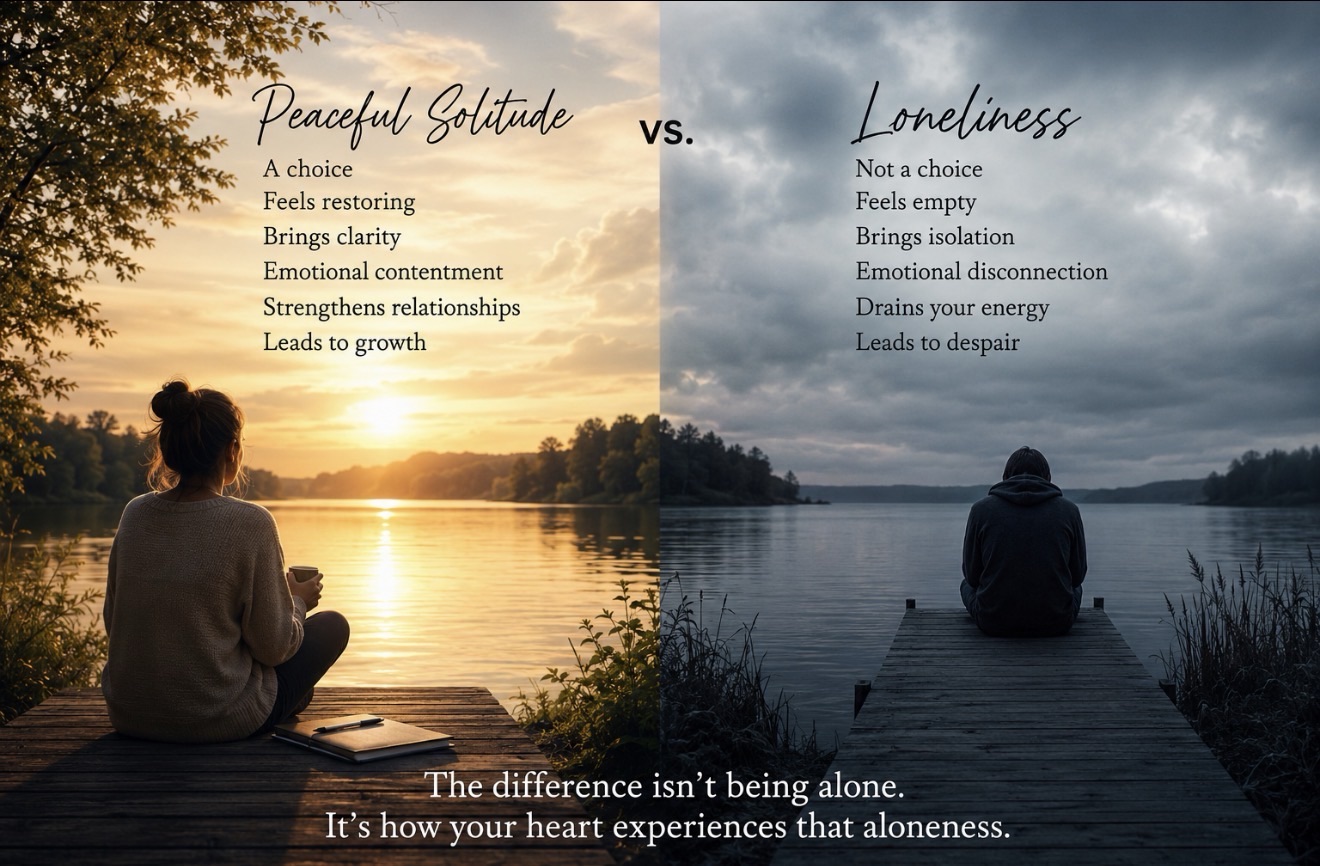
We will also look at the pain of grieving someone who is still alive. We will examine why closure does not always come and how loneliness can disguise itself as love. As the series continues, we will explore identity, self-worth, boundaries, trust, faith, and the fear of loving again. Each article will offer research, realistic examples, practical tools, reflection, and encouragement. You will not be told to forget the person or act as though the relationship meant nothing. Instead, you will learn how to remember without remaining trapped. This journey is not about becoming cold. It is about becoming clear. It is not about building walls around your heart. It is about learning to protect your heart with wisdom.

Takeaway: The purpose of this series is not to erase your past but to help you build a healthier future.

Therapist’s Note

You do not have to decide today whether you will ever love again. You do not have to understand every reason the relationship ended. You do not have to prove that you are completely healed. For now, take care of the part of you that is hurting. Eat something. Rest when you can. Speak with someone safe. Pray honestly. Place a little distance between the feeling and the decision. If heartbreak is making it hard to sleep, eat, work, or care for yourself, consider speaking with a licensed mental health professional. Seeking support is not a sign that you are weak. It is a way of taking your pain seriously.

If you are thinking about harming yourself or feel unable to remain safe, call or text 988 in the United States for free, confidential crisis support. If you are in immediate danger, call 911. (988 Suicide & Crisis Lifeline)

Takeaway: You deserve support, and you do not have to carry severe emotional pain alone.

Final Thoughts

Heartbreak tells you that your best days are behind you. Healing slowly teaches you that this is not true. Your life may not look the way you expected. That does not mean it has lost its meaning. A changed future can still become a good future. There will be days when you miss the person. There may be moments when you miss who you were with them. But healing will help you remember who you were before them, who you are now, and who you are still becoming. The empty space left by a relationship can feel frightening. In time, that space can also become room for peace, growth, purpose, stronger faith, and healthier love. You are not beginning again with nothing. You are beginning with experience, wisdom, truth, and a heart that is learning how to heal.

Takeaway: This ending changed your life, but it does not have the right to define the rest of it.

Series Reminder

Remember: Healing does not mean forgetting. It means learning to carry yesterday without letting it steal tomorrow.

About the Author

John S. Collier, MSW, LCSW-S, is a Licensed Clinical Social Worker and the Executive Director of Southeast Kentucky Behavioral Health, LLC. With more than 25 years of experience in the behavioral health field, he has helped individuals and families work through trauma, grief, anxiety, depression, relationship struggles, and major life changes.

Through his clinical work and writing, John seeks to offer hope, guidance, and practical solutions to people facing emotional pain and personal change. His approach combines professional knowledge, compassion, everyday wisdom, and faith-based encouragement. He lives in Southeast Kentucky.

References

Fisher, H. E., Brown, L. L., Aron, A., Strong, G., & Mashek, D. (2010). Reward, addiction, and emotion regulation systems associated with rejection in love. Journal of Neurophysiology, 104(1), 51–60. https://doi.org/10.1152/jn.00784.2009

Sbarra, D. A. (2006). Predicting the onset of emotional recovery following nonmarital relationship dissolution: Survival analyses of sadness and anger. Personality and Social Psychology Bulletin, 32(3), 298–312. https://doi.org/10.1177/0146167205280913

Sbarra, D. A., & Emery, R. E. (2005). The emotional sequelae of nonmarital relationship dissolution: Analysis of change and intraindividual variability over time. Personal Relationships, 12(2), 213–232. https://doi.org/10.1111/j.1350-4126.2005.00112.x

Slotter, E. B., Gardner, W. L., & Finkel, E. J. (2010). Who am I without you? The influence of romantic breakup on the self-concept. Personality and Social Psychology Bulletin, 36(2), 147–160. https://doi.org/10.1177/0146167209352250

Stroebe, M., & Schut, H. (1999). The dual process model of coping with bereavement: Rationale and description. Death Studies, 23(3), 197–224. https://doi.org/10.1080/074811899201046