Welcome to SOUTHEAST KENTUCKY BEHAVIORAL HEALTH
Rebuilding Emotional Intimacy After Distance
Image

Emotional intimacy is the feeling of being seen, known, and emotionally safe with your partner. When it is strong, couples feel connected even during stress. When it weakens, partners may still live together, talk about schedules, and handle responsibilities—but feel lonely in the same room. Emotional distance does not usually happen overnight. It often grows slowly through stress, unresolved conflict, poor communication, or unmet emotional needs.

The good news is that emotional intimacy can be rebuilt. With intention, patience, and consistency, couples can reconnect and restore closeness.


How Emotional Distance Develops

Emotional distance often forms when couples experience:

  • ongoing stress (work, finances, parenting, health),
  • repeated arguments that never fully resolve,
  • feeling criticized, ignored, or taken for granted,
  • lack of quality time or meaningful conversation,
  • emotional shutdown to avoid conflict.

Research shows that when couples stop turning toward each other emotionally, they begin to protect themselves rather than connect, leading to withdrawal or defensiveness (Gottman & Silver, 2015).


Why Emotional Intimacy Matters in Marriage

Emotional intimacy is the foundation for trust, affection, and long-term commitment. Studies consistently show that couples who feel emotionally connected experience higher relationship satisfaction, better communication, and greater resilience during hardship (Reis & Shaver, 1988).

Without emotional intimacy, even physical closeness can feel empty. Partners may begin to feel like roommates instead of spouses.


Step One: Create Emotional Safety Again

Reconnection starts with emotional safety. Emotional safety means knowing you can share thoughts or feelings without being attacked, dismissed, or punished.

Ways to rebuild safety include:

  • lowering criticism and sarcasm,
  • listening without interrupting,
  • responding calmly rather than defensively,
  • acknowledging your partner’s feelings even when you disagree.

According to research on active listening and empathy, people open up more when they feel emotionally validated (Rogers & Farson, 1957).


Step Two: Slow Down and Relearn Each Other

After distance, couples often try to “fix everything” quickly. This usually backfires. Rebuilding intimacy works best when couples slow down and focus on small, consistent moments of connection.

Helpful practices include:

  • asking open-ended questions,
  • sharing daily thoughts and emotions,
  • expressing curiosity about your partner’s inner world,
  • spending uninterrupted time together.

Emotional intimacy grows through repeated experiences of being heard and understood, not through one big conversation (Gottman & Silver, 2015).


Step Three: Share Feelings, Not Just Facts

Many couples talk daily but stay emotionally distant because conversations focus only on tasks and logistics. Emotional intimacy requires sharing feelings, not just information.

Examples include:

  • “I felt overwhelmed today.”
  • “I missed feeling close to you.”
  • “I felt hurt when that happened.”

Research shows that emotional self-disclosure strengthens bonds and increases closeness when it is met with empathy (Reis & Shaver, 1988).


Step Four: Address Unresolved Hurt Gently

Distance often protects people from unresolved pain. Rebuilding intimacy requires gently addressing hurt with honesty and care.

Helpful guidelines:

  • speak about your feelings, not your partner’s flaws,
  • avoid blaming or shaming language,
  • take responsibility for your part,
  • focus on understanding before problem-solving.

Couples who practice repair and forgiveness are more likely to restore emotional closeness than those who avoid difficult conversations (Gottman & Silver, 2015).


Step Five: Be Patient and Consistent

Reconnection takes time. Emotional intimacy grows through repeated safe interactions, not instant change.

Consistency matters more than intensity:

  • small daily check-ins,
  • regular expressions of appreciation,
  • predictable emotional availability,
  • follow-through on commitments.

Attachment research shows that trust and closeness are rebuilt through reliability and emotional presence over time (Johnson, 2019).


Conclusion

Emotional distance does not mean a marriage is broken—it means something important has been missing. Rebuilding emotional intimacy requires safety, empathy, patience, and intentional effort from both partners. When couples choose to slow down, listen deeply, and reconnect emotionally, distance can become a doorway to deeper understanding and renewed closeness.


About the Author

John S. Collier, MSW, LCSW-S, is a Licensed Clinical Social Worker with extensive experience in behavioral health, relationship dynamics, and trauma-informed care. He works with individuals and couples to improve emotional connection, communication, and long-term relational health. John is known for translating clinical insight into practical, real-world guidance that helps couples rebuild trust, emotional safety, and intimacy after periods of conflict or distance.


References

  • Gottman, J. M., & Silver, N. (2015). The seven principles for making marriage work. Harmony Books.
  • Johnson, S. (2019). Attachment theory in practice: Emotionally focused therapy (EFT) with individuals, couples, and families. Guilford Press.
  • Reis, H. T., & Shaver, P. (1988). Intimacy as an interpersonal process. In S. Duck (Ed.), Handbook of personal relationships. Wiley.
  • Rogers, C. R., & Farson, R. E. (1957). Active listening. University of Chicago Industrial Relations Center.

Community Activity and Service: Southeast Kentucky Behavioral Health Sponsors, Supports, and Serves.

How Trauma Changes the Brain: What You Need to Know

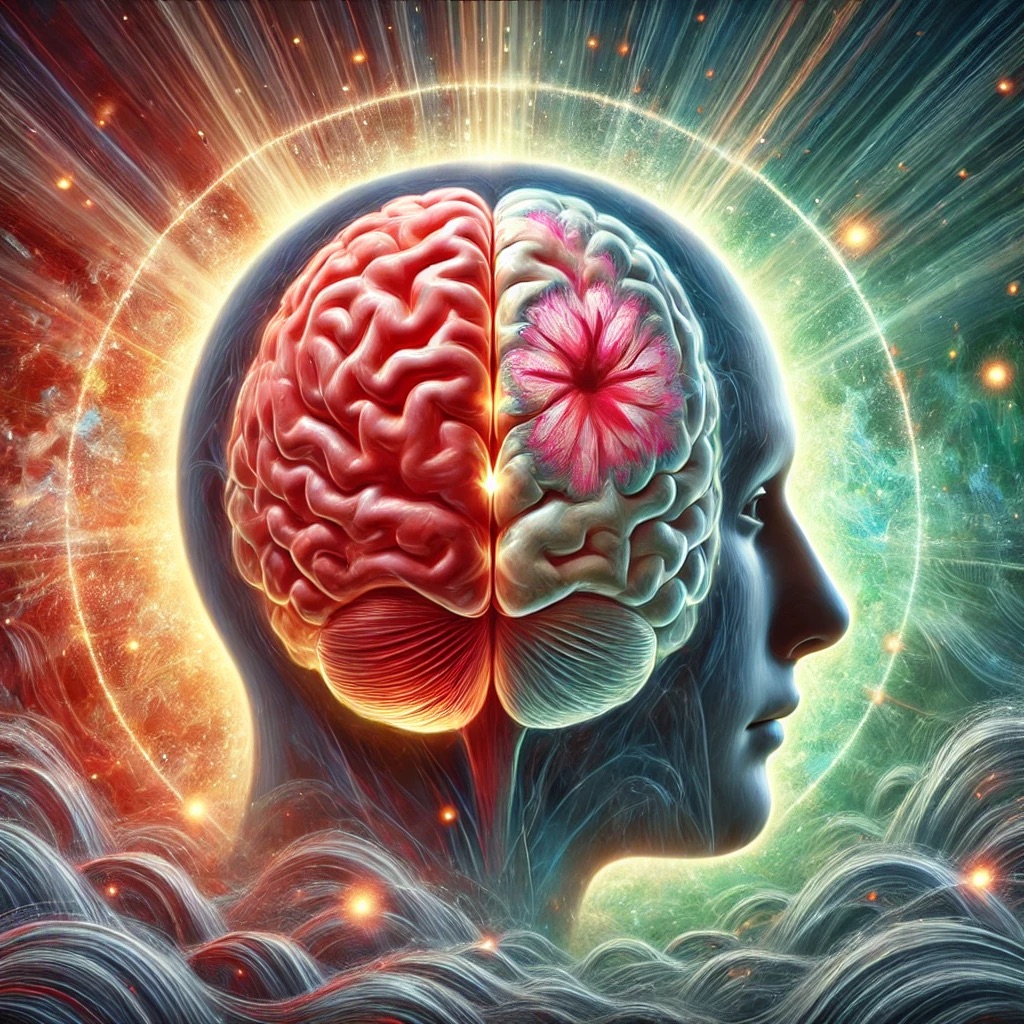
Trauma, whether it’s from a physical injury or an emotional experience, can have a lasting impact on the brain. Thanks to research in neuroscience, we now know that trauma doesn’t just affect how we feel—it actually changes how the brain works. Understanding these changes can help us see why trauma has such powerful effects and how recovery is possible.

What Happens to the Brain During Trauma?

When you go through a traumatic event, your brain switches into “survival mode.” This is controlled by something called the stress response system, which prepares your body to deal with danger. You may have heard of the “fight, flight, or freeze” response. This is when stress hormones like cortisol and adrenaline flood your body, helping you react quickly to protect yourself.

This response is helpful in the short term, like when you need to escape danger. But if trauma is ongoing, or if your brain keeps thinking you’re in danger even after the threat is gone, this stress response can do more harm than good.

How Trauma Changes the Brain

Trauma can change how different parts of the brain work and even how they look. Here are the three key areas affected:

1. The Amygdala: The Alarm System

The amygdala is the part of your brain that helps detect threats and process emotions like fear. After trauma, the amygdala can become overactive, making you feel on edge or jumpy even when you’re safe. This is why people who’ve experienced trauma often feel anxious or have trouble calming down.

2. The Prefrontal Cortex: The Decision Maker

The prefrontal cortex is like the brain’s “control center.” It helps you think logically, make decisions, and calm down after a stressful event. Trauma can make this part of the brain less active, which means it’s harder to think clearly, control your emotions, or feel in control of your reactions.

3. The Hippocampus: The Memory Keeper

The hippocampus is responsible for organizing memories and distinguishing between the past and the present. Trauma can make the hippocampus shrink, which is why some people have trouble remembering details of the trauma or feel like they’re reliving it (flashbacks), even when it’s over.

Why Do These Changes Matter?

The changes in the brain after trauma explain many of the symptoms people experience, such as:

• Flashbacks or nightmares: The brain struggles to tell the difference between past and present, so it feels like the trauma is happening again.

• Anxiety or hypervigilance: The overactive amygdala keeps you constantly on the lookout for danger.

• Difficulty focusing or making decisions: A less active prefrontal cortex makes it harder to think clearly.

These changes also show why trauma doesn’t just “go away” on its own—your brain needs time and support to heal.

Can the Brain Heal After Trauma?

The good news is that the brain is adaptable. This ability to change and heal is called neuroplasticity. With the right support, the brain can recover from the effects of trauma. Here’s how:

1. Therapy: Treatments like trauma-focused cognitive behavioral therapy (CBT) and eye movement desensitization and reprocessing (EMDR) can help “rewire” the brain and reduce symptoms.

2. Mindfulness and relaxation techniques: Practices like meditation can help calm the amygdala and strengthen the prefrontal cortex.

3. Exercise: Physical activity can increase the size of the hippocampus and improve mood by releasing feel-good chemicals like endorphins.

Trauma changes the brain, but these changes don’t have to be permanent. Understanding how trauma affects the brain can help us be more compassionate toward ourselves and others who are struggling. With the right tools and support, healing is not only possible—it’s likely.

This article has been written by John S. Collier, MSW, LCSW. Mr. Collier has over 25 years experience in the social work field. He currently serves as the executive director in outpatient behavioral health therapist at Southeast Kentucky Behavioral health based out of London Kentucky. He may be reached by phone at 606-657-0532 extension 101 or by email at john@sckybh.com

References

• Shin, L. M., Rauch, S. L., & Pitman, R. K. (2006). Amygdala, medial prefrontal cortex, and hippocampal function in PTSD. Annals of the New York Academy of Sciences, 1071(1), 67-79.

• Bremner, J. D. (2006). Traumatic stress: Effects on the brain. Dialogues in Clinical Neuroscience, 8(4), 445-461.

• van der Kolk, B. A. (2014). The Body Keeps the Score: Brain, Mind, and Body in the Healing of Trauma.

Our Logo has meaning.

Southeast Kentucky Behavioral Health, LLC’s logo symbolically represents behavioral health and well-being through the following elements:

1. Central Figure (Orange Abstract Person): The abstract human figure with outstretched arms symbolizes growth, empowerment, and the achievement of positive behavioral change. It reflects the progress individuals can make in managing and improving their behaviors.

2. Circular Blue Border: The blue circle represents unity, stability, and a sense of completeness, emphasizing the organization’s holistic approach to behavioral health care.

3. Green Leaves: The leaves at the base signify growth, renewal, and the nurturing of healthy behaviors, highlighting the process of transformation and positive change.

4. Stars (Upper Right): The stars represent guidance, aspirations, and achieving milestones, symbolizing the support provided to clients in navigating challenges and fostering behavioral growth.

5. Year Established (2013): Including the year highlights the organization’s experience and dedication to providing quality behavioral health services over time.

6. Overall Color Scheme: The combination of blue (trust and calm), red (energy and passion), and green (healing and renewal) reinforces the focus on promoting behavioral health, positive change, and well-being.

This design conveys the organization’s mission to support individuals in achieving healthier behaviors and improving their overall quality of life.